Customer Acquisition Cost Analysis for Optimal Strategies
Customer Acquisition Cost Analysis takes center stage as a vital component of effective business strategy. Understanding how much it costs to acquire a new customer is essential for optimizing marketing efforts and ensuring sustainable growth. This analysis not only sheds light on various methods to calculate acquisition costs but also highlights the factors that influence these costs across different industries, paving the way for businesses to make informed decisions.
In an era where competition is fierce, gaining insight into Customer Acquisition Cost can provide businesses with a competitive edge. By exploring the importance of cost analysis in marketing, recognizing effective strategies for cost reduction, and leveraging data analytics, companies can refine their marketing approaches and enhance their overall performance. This exploration lays the groundwork for understanding how efficient management of acquisition costs can lead to long-term success.
Understanding Customer Acquisition Cost
Customer Acquisition Cost (CAC) is a critical metric that quantifies the total expenses incurred to acquire a new customer. This figure encompasses all marketing and sales efforts, thereby providing valuable insights that help businesses determine the effectiveness of their strategies. Understanding CAC is essential for any business aiming to achieve sustainable growth and profitability, as it directly impacts revenue generation and overall financial performance.To accurately calculate Customer Acquisition Cost, various methods can be employed, each tailored to the specific needs and structures of businesses.
Common methods include:
- Total Cost of Sales and Marketing: This method involves adding all costs associated with marketing and sales, including salaries, advertising, and software tools, and dividing the total by the number of new customers acquired in a specific period.
- Channel-Specific CAC: Here, the CAC is calculated for each marketing channel individually, helping businesses identify which channels yield the most cost-effective customer acquisition.
- Payback Period Approach: This method focuses on the time it takes for a business to recover its acquisition costs through the revenue generated from the new customer, providing insights into cash flow management.
The factors influencing Customer Acquisition Cost vary significantly across different industries, reflecting diverse market dynamics and operational practices. Key factors include:
Factors Influencing Customer Acquisition Cost
Understanding these factors is crucial for businesses aiming to optimize their acquisition strategies and manage costs effectively. Important elements that impact CAC include:
- Industry Type: Different industries have varying levels of competition and customer demand, which can significantly influence CAC. For instance, technology companies often experience higher CAC due to the need for extensive customer education and engagement.
- Target Audience: The demographic and psychographic characteristics of the target audience can affect marketing strategies, ultimately impacting CAC. Businesses targeting niche markets may have higher costs associated with specialized marketing efforts.
- Marketing Channels Used: The choice of marketing channels (digital, traditional media, etc.) plays a pivotal role in determining CAC. Digital marketing channels may offer more cost-effective options compared to traditional media.
- Customer Lifetime Value (CLV): Businesses that prioritize long-term customer relationships may invest more in acquisition strategies to ensure higher CLV, thus potentially increasing CAC.
In conclusion, a comprehensive understanding of Customer Acquisition Cost is vital for businesses. By accurately calculating CAC and recognizing the factors that influence it, companies can develop effective strategies that balance acquisition expenses with long-term profitability.
Importance of Cost Analysis in Marketing
Cost analysis plays a crucial role in shaping marketing strategies that align with business objectives. By evaluating the financial aspects of marketing initiatives, organizations can make informed decisions that enhance efficiency and effectiveness. Understanding the implications of various costs, particularly Customer Acquisition Cost (CAC), helps businesses allocate resources wisely and optimize their marketing investments.Effective cost analysis enables marketers to identify areas where expenses can be reduced without compromising on quality or performance.
It creates opportunities for fine-tuning marketing tactics based on financial realities, ensuring that every dollar spent contributes to overall business growth. Furthermore, it fosters a results-driven culture where decisions are backed by tangible data rather than intuition.
Key Metrics to Consider Alongside Customer Acquisition Cost
In addition to Customer Acquisition Cost, several metrics are essential to provide a comprehensive view of marketing performance. These metrics can significantly influence strategic decisions and improve marketing outcomes when analyzed in conjunction with CAC.
1. Customer Lifetime Value (CLV)
This metric estimates the total revenue a business can expect from a customer throughout their relationship. Understanding CLV in relation to CAC enables marketers to evaluate the return on investment for acquisition strategies.
2. Return on Advertising Spend (ROAS)
This metric measures the effectiveness of advertising campaigns by comparing the revenue generated to the amount spent on ads. A high ROAS indicates successful marketing efforts.
3. Conversion Rate
This percentage indicates how many visitors or leads are converted into paying customers. Analyzing conversion rates alongside CAC can highlight the effectiveness of a marketing funnel.
4. Churn Rate
Establishing a strong market position requires a comprehensive approach, and that’s where Brand Strategy Consulting comes into play. These consultants analyze your brand’s strengths and weaknesses, helping you to create a clear and effective roadmap. By focusing on your unique value proposition, they guide you in building a brand that resonates with your audience and fosters loyalty.
This metric measures the percentage of customers who stop using a service over a specific period. A high churn rate can signal issues with customer satisfaction or product fit and should be evaluated with CAC to ensure sustainable growth.
5. Average Deal Size
This metric captures the average revenue generated per transaction, helping to assess the effectiveness of sales strategies and customer targeting.
6. Marketing Qualified Leads (MQLs)
Tracking the number of leads that meet specific criteria allows businesses to assess the quality of their leads and refine targeting strategies.By synthesizing these metrics with Customer Acquisition Cost, organizations can gain a nuanced understanding of their marketing performance and make data-driven decisions.
Case Studies of Effective Cost Analysis in Marketing
Numerous companies have successfully employed cost analysis to refine their marketing strategies and achieve substantial improvements in outcomes. One noteworthy example is Dropbox, which initially relied on a referral program to acquire new users. By calculating the CAC versus the CLV, Dropbox was able to determine the long-term profitability of its referral program. This analysis revealed that the cost of acquiring a new user through referrals was significantly lower than through traditional advertising methods, leading to the decision to invest heavily in referral marketing.
As a result, Dropbox experienced a rapid increase in its user base, attaining over 500 million registered users.Another example is Zalando, a European online fashion retailer. By conducting a detailed cost analysis, Zalando identified that its marketing spend was not yielding the desired customer engagement. The company analyzed the CAC relative to the conversion rates across different channels. It discovered that investing more in social media advertising resulted in a higher CLV when compared to other channels.
This insight led Zalando to shift its marketing budget towards social media, ultimately increasing sales and customer retention through targeted campaigns.These case studies exemplify the importance of cost analysis in marketing, demonstrating how organizations can leverage data to make strategic decisions that enhance customer acquisition and overall profitability.
In today’s competitive landscape, a reliable Digital Marketing Agency can play a pivotal role in enhancing your business’s online presence. These agencies utilize various strategies to reach your target audience effectively, ensuring that your brand stands out. By implementing tailored campaigns, they help you connect with potential customers and drive growth.
Methods for Reducing Customer Acquisition Cost
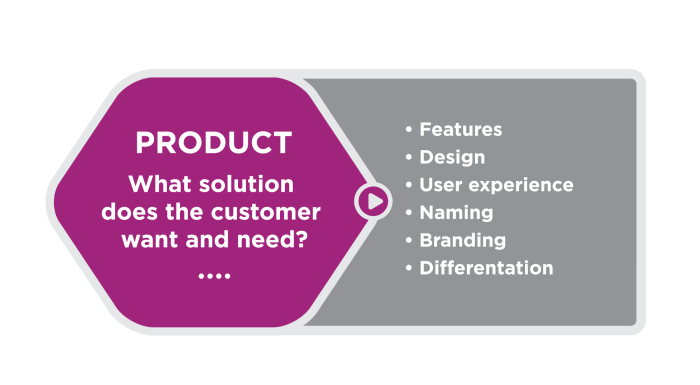
In today’s competitive marketplace, businesses are continually looking for effective strategies to lower their Customer Acquisition Cost (CAC). Reducing CAC not only enhances profitability but also allows organizations to allocate resources more efficiently. Implementing targeted strategies can lead to significant cost savings while improving customer engagement and satisfaction.One of the most effective methods for decreasing CAC is optimizing marketing strategies through data analytics.
By leveraging data-driven insights, businesses can identify their most effective channels and refine their targeting strategies to reach prospective customers more efficiently. Furthermore, developing a strong value proposition and enhancing customer experience can lead to higher conversion rates, ultimately reducing acquisition costs.
Strategies to Lower Customer Acquisition Cost
Several strategies can be employed to effectively reduce Customer Acquisition Cost. These strategies encompass various aspects of marketing and operational efficiency.
- Utilize Content Marketing: Creating valuable, relevant content attracts potential customers organically, reducing reliance on paid advertising. Companies like HubSpot have successfully employed this strategy to build a loyal audience and generate leads with minimal costs.
- Leverage Social Media: Engaging with customers on social platforms can enhance brand visibility and encourage word-of-mouth referrals, which are often more cost-effective than traditional advertising.
- Implement Referral Programs: Encouraging existing customers to refer new clients can significantly lower CAC. Brands like Dropbox experienced tremendous growth through their referral incentives, leading to lower acquisition costs.
- Optimize Advertising Spend: Using A/B testing to refine ad campaigns ensures that marketing budgets are spent effectively, directing funds towards the most successful ads.
- Focus on Customer Segmentation: Tailoring marketing efforts to specific demographic segments ensures that resources are allocated where they can yield the highest returns.
Tools and Technologies for Reducing Acquisition Costs
Utilizing the right tools and technologies can greatly enhance a business’s ability to reduce Customer Acquisition Cost. These tools can streamline processes and improve the efficiency of marketing efforts.
- Customer Relationship Management (CRM) Software: Tools like Salesforce and HubSpot CRM help businesses track customer interactions and optimize engagement, resulting in lower acquisition costs.
- Email Marketing Platforms: Services such as Mailchimp and Constant Contact allow for targeted email campaigns, reaching potential customers at a lower cost than traditional advertising methods.
- Analytics Tools: Google Analytics and similar platforms provide insights into customer behavior, enabling businesses to adjust their marketing strategies effectively.
- Search Engine Optimization () Tools: Tools like SEMrush and Moz help enhance website visibility on search engines, driving organic traffic at a lower cost compared to paid advertising.
Importance of Customer Retention in Relation to Acquisition Costs
Customer retention plays a crucial role in the overall strategy to reduce Customer Acquisition Cost. Retaining existing customers is often more cost-effective than acquiring new ones; studies suggest that acquiring a new customer can cost five times more than retaining an existing one. By focusing on customer satisfaction and loyalty, businesses can decrease churn rates, which directly impacts CAC. Engaging customers through loyalty programs and personalized experiences fosters long-term relationships, leading to repeat purchases and referrals.
In summary, effective management of Customer Acquisition Cost involves a multifaceted approach that includes strategic marketing, the use of technology, and a strong emphasis on customer retention. These methods collectively contribute to more sustainable business growth and enhanced profitability.
Analyzing Return on Investment (ROI)
Understanding the Return on Investment (ROI) concerning Customer Acquisition Cost (CAC) is critical for businesses aiming to optimize their marketing strategies. ROI measures the return generated for each dollar spent on acquiring new customers. By evaluating ROI in relation to CAC, organizations can make informed decisions on resource allocation and marketing effectiveness.Evaluating ROI regarding Customer Acquisition Cost necessitates a clear formula:
ROI = (Customer Lifetime Value – Customer Acquisition Cost) / Customer Acquisition Cost – 100
This formula provides a percentage that indicates the profitability of investments made in acquiring customers. An ROI greater than 100% signals a profitable investment, while an ROI below 100% indicates a need for reassessment of the acquisition strategies.
Comparing Customer Acquisition Cost to Customer Lifetime Value
A crucial aspect of analyzing ROI involves comparing Customer Acquisition Cost to Customer Lifetime Value (CLV). This comparison provides insights into the sustainability of customer acquisition efforts. The following points Artikel the significance of this comparison:
Understanding Profitability
Comparing CAC with CLV reveals the profitability of acquiring a customer. A healthy ratio, typically 1:3 or better, suggests that the value generated from a customer significantly exceeds the cost of acquiring them.
Investment Justification
When CAC is lower than CLV, it justifies continued investment in marketing initiatives. Conversely, a higher CAC relative to CLV necessitates a reevaluation of marketing strategies to enhance customer value.
Long-term Strategy Formulation
Insights gained from this comparison can guide long-term business strategies, helping companies identify areas for improvement in customer engagement and retention efforts.
Impact of Various Marketing Channels on ROI and Acquisition Costs
Different marketing channels can substantially influence both ROI and Customer Acquisition Costs. The effectiveness of these channels in reaching and converting potential customers varies, and understanding their impact is essential for strategic decision-making. The following aspects illustrate how various channels affect ROI and acquisition costs:
Digital Marketing
Channels such as social media and email marketing often provide lower CAC due to their targeted approach. For instance, platforms like Facebook allow precise audience targeting, which can lead to a higher conversion rate and optimized spending.
Content Marketing
Providing valuable content can improve customer engagement and loyalty, thus increasing CLV. Quality content can reduce the need for direct advertising spend, decreasing CAC over time.
Paid Advertising
Channels like Google Ads can yield high ROI if managed correctly. However, inefficient targeting or poor ad copy can lead to increased CAC. A/B testing and continuous optimization are vital for maximizing returns.
Traditional Marketing
While channels such as television and print may reach a broad audience, they often incur higher costs with varied effectiveness in conversion rates, necessitating careful analysis of ROI.By strategically evaluating the performance of different marketing channels, businesses can adjust their investments to channels that yield the highest return relative to their acquisition costs, thereby enhancing overall marketing efficiency.
Benchmarking Customer Acquisition Cost
Benchmarking Customer Acquisition Cost (CAC) is a critical practice that helps businesses evaluate their effectiveness in acquiring new customers compared to industry standards. It provides insight into how well a company is performing relative to its peers, thereby guiding strategic financial decisions and marketing initiatives. By understanding where a business stands, companies can identify areas for improvement and set more informed goals.The process of benchmarking CAC involves comparing a company’s acquisition costs to those of similar organizations within the same industry.
This comparison can highlight discrepancies, uncover potential inefficiencies, and illuminate successful strategies adopted by competitors. To effectively benchmark CAC, organizations must first gather reliable data on industry standards, which can be achieved through market research, industry reports, and networking with peers.
Setting Realistic Acquisition Cost Targets
Establishing realistic acquisition cost targets based on market research is essential for effective financial planning. Understanding the typical CAC for the relevant industry allows businesses to develop attainable goals that align with expected performance outcomes. These benchmarks should be informed by factors such as:
- Industry averages, which can provide context for what is considered a competitive CAC.
- The specific demographics and behaviors of the target audience, which can influence how much a company needs to spend to acquire new customers.
- The competitive landscape, which encompasses both direct competitors and substitute offerings that may affect market positioning.
- Historical company data, which helps in understanding past performance and setting future expectations.
Comparison of Average Acquisition Costs Across Different Sectors
To illustrate the varying landscape of customer acquisition costs, the following table presents average CAC figures across several key sectors. This comparison serves as a benchmark for organizations aiming to evaluate or improve their marketing efficiency.
| Industry Sector | Average Customer Acquisition Cost (CAC) |
|---|---|
| Technology | $300 |
| E-commerce | $150 |
| Healthcare | $500 |
| Education | $250 |
| Retail | $100 |
The data in the table provides a clear perspective on how acquisition costs vary significantly by sector. For example, while e-commerce companies may boast a lower CAC of $150, healthcare entities often face a much higher average of $500 due to the complexities involved in attracting and maintaining patients. Understanding these disparities allows businesses to tailor their marketing strategies in alignment with industry norms.
“Benchmarking CAC against industry standards empowers businesses to align their marketing efforts with competitive expectations, setting the stage for strategic growth.”
Utilizing Data Analytics for Improved Insights
Data analytics plays a pivotal role in optimizing Customer Acquisition Cost (CAC) strategies by transforming raw data into actionable insights. By leveraging various analytical tools and techniques, businesses can evaluate their acquisition efforts, uncover patterns, and make informed decisions that enhance marketing effectiveness. The ability to analyze customer behavior and acquisition channels leads to more efficient resource allocation and improved return on investment.The integration of data analytics into CAC strategies enables organizations to monitor various metrics that are crucial for understanding performance.
Key performance indicators (KPIs) should be identified and analyzed to gauge the effectiveness of marketing campaigns and the overall efficiency of customer acquisition processes. These KPIs serve as benchmarks for measuring success and identifying areas for improvement.
Key Performance Indicators for Monitoring
The following KPIs are essential for effectively monitoring and analyzing Customer Acquisition Cost strategies:
- Customer Acquisition Cost (CAC): The total cost associated with acquiring a new customer, including marketing expenses, sales team salaries, and operational costs.
- Customer Lifetime Value (CLV): The total revenue a business can expect from a customer throughout their relationship, which helps assess the profitability of acquisition strategies.
- Conversion Rate: The percentage of potential customers who complete a desired action, such as making a purchase, indicating the effectiveness of marketing campaigns.
- Churn Rate: The rate at which customers stop doing business with a company, essential for understanding long-term customer retention and acquisition impacts.
- Return on Marketing Investment (ROMI): A metric that evaluates the revenue generated for every dollar spent on marketing, aiding in the assessment of campaign effectiveness.
Incorporating predictive analytics into Customer Acquisition Cost strategies can further enhance decision-making processes. Predictive analytics utilizes historical data, algorithms, and statistical models to forecast future trends, providing businesses with valuable foresight into acquisition costs and customer behavior.
Predictive Analytics for Forecasting Future Acquisition Costs
Implementing predictive analytics aids organizations in anticipating changes in customer acquisition costs based on various factors. By analyzing historical data and market trends, businesses can create models that forecast future CAC, allowing for proactive adjustments in marketing strategies. For example, a retail company may analyze past campaign performances and customer interactions to predict how changes in pricing or promotions could impact future customer acquisition costs.Data points such as seasonality, consumer behavior shifts, and economic indicators can be integrated into predictive models.
By utilizing machine learning techniques, businesses can fine-tune their predictions, resulting in more accurate forecasts and better-informed strategic planning.An illustrative case is that of a SaaS company that employed predictive analytics to assess the impact of a new product feature on customer acquisition. By analyzing patterns from previous product launches and customer feedback, they anticipated a decrease in CAC by 20% following the release, allowing them to allocate resources more effectively and strategize their marketing outreach.By harnessing the power of data analytics, organizations can refine their Customer Acquisition Cost strategies, resulting in enhanced performance and sustainable growth.
Impact of Social Media on Customer Acquisition Cost

Social media platforms have become pivotal in shaping customer acquisition strategies. With billions of active users worldwide, businesses can reach and engage potential customers effectively. However, the effects of social media on Customer Acquisition Cost (CAC) can vary significantly, presenting both opportunities and challenges for marketers.Social media can influence CAC in several ways. Positively, it provides a cost-effective medium for advertising, allowing businesses to target specific demographics with precision.
The ability to create organic content that resonates with audiences can lead to increased engagement and lower acquisition costs. Conversely, negative impacts can arise from ineffective campaigns, where poor targeting or mismanaged content can lead to wasted resources and higher CAC.
Best Practices for Leveraging Social Media in Reducing Acquisition Costs
Implementing effective strategies on social media can substantially lower CAC. Below are best practices to consider:To maximize the potential of social media, businesses should focus on the following practices:
- Targeted Advertising: Utilize the targeting capabilities of platforms like Facebook and Instagram to reach specific audiences based on interests, behaviors, and demographics.
- Engaging Content Creation: Develop high-quality, engaging content that encourages shares and interactions, increasing organic reach without additional costs.
- Community Engagement: Foster a community around the brand by actively engaging with followers, responding to comments, and participating in discussions.
- User-Generated Content: Encourage customers to share their experiences with the brand, creating authentic content that can attract new customers without significant expense.
- Social Media Analytics: Regularly analyze performance metrics to understand what content resonates best and adjust strategies accordingly to optimize spending.
- Influencer Collaborations: Partner with relevant influencers who can authentically promote the brand to their followers, often resulting in higher conversion rates compared to traditional advertising.
Role of Influencer Marketing in Shaping Acquisition Strategies, Customer Acquisition Cost Analysis
Influencer marketing has emerged as a significant component of social media strategies, directly impacting CAC. By leveraging the established trust and authority of influencers, brands can access new audiences more effectively than through conventional marketing methods. Influencers often have dedicated followers who value their recommendations, which can lead to higher conversion rates.The implementation of influencer marketing can vary, including sponsored posts, product reviews, and collaborative campaigns.
These collaborations enable brands to showcase their products authentically, often resulting in a lower CAC due to the established credibility of the influencer.
Influencers can significantly reduce CAC by providing authentic endorsements that resonate with their audience, leading to increased trust and higher conversion rates.
Brands should consider the following strategies when incorporating influencer marketing into their acquisition efforts:
- Select Relevant Influencers: Choose influencers whose audience aligns with the brand’s target market to ensure effective outreach.
- Foster Long-term Relationships: Building lasting partnerships with influencers can yield consistent promotion and enhance brand credibility.
- Track Performance: Measure the effectiveness of influencer campaigns using metrics such as engagement rates, reach, and conversions to assess impact on CAC.
- Creative Collaborations: Encourage influencers to create unique content that reflects their style while promoting the brand, which can result in more genuine interactions.
Customer Segmentation and Targeting: Customer Acquisition Cost Analysis

Effective customer segmentation is pivotal in reducing customer acquisition costs, allowing businesses to focus their marketing efforts on specific groups that are more likely to convert. By categorizing customers based on shared characteristics, companies can tailor their strategies to meet the unique needs and preferences of each segment, ultimately leading to higher efficiency and lower costs in acquiring new customers.Creating effective buyer personas is an essential step in the segmentation process.
These personas are semi-fictional representations of ideal customers based on market research and data analysis. They help businesses understand their customers better, enabling the development of targeted marketing campaigns that resonate with the audience. An effective buyer persona typically includes demographic information, purchasing behavior, pain points, and motivations.
Segmentation Strategies for Cost Management
Employing various segmentation strategies can significantly enhance cost management in customer acquisition efforts. The following strategies are instrumental in achieving this objective:
Demographic Segmentation
Categorizing potential customers based on age, gender, income, education level, and family status to tailor marketing messages accordingly.
Geographic Segmentation
Focusing on customers in specific locations, taking into account regional preferences and cultural nuances to create localized marketing strategies.
Psychographic Segmentation
Dividing the market based on personality traits, values, interests, and lifestyles, allowing for a more personalized approach to connect with customers.
Behavioral Segmentation
Analyzing customer interactions and behaviors, such as purchasing patterns and brand loyalty, to identify high-value segments that warrant deeper engagement.
Needs-Based Segmentation
Identifying customer needs and challenges to create targeted solutions and offerings that directly address those requirements, improving conversion rates.
Value-Based Segmentation
Segmenting customers based on their estimated lifetime value to the business, ensuring that marketing resources are allocated efficiently to the most profitable segments.By implementing these segmentation strategies, businesses can enhance their targeting efforts, leading to reduced customer acquisition costs and improved marketing ROI.
“Effective segmentation not only improves marketing efficiency but also fosters meaningful customer relationships.”
Closing Summary
In summary, a comprehensive Customer Acquisition Cost Analysis enables businesses to not only understand their spending on acquiring new customers but also to strategically refine their marketing approaches for better outcomes. By employing effective cost management strategies and utilizing data-driven insights, companies can significantly enhance their ROI. Ultimately, the ability to benchmark acquisition costs and apply best practices in customer engagement can lead to improved performance and sustained growth in a competitive landscape.
Common Queries
What is Customer Acquisition Cost?
Customer Acquisition Cost (CAC) refers to the total cost incurred by a business to acquire a new customer, including marketing and sales expenses.
Why is Customer Acquisition Cost important?
It helps businesses determine the effectiveness of their marketing strategies and guides budget allocation for acquiring new customers.
How can businesses reduce Customer Acquisition Cost?
Businesses can lower CAC by optimizing marketing channels, improving customer retention, and utilizing data analytics for targeted outreach.
What metrics should be considered alongside Customer Acquisition Cost?
Metrics such as Customer Lifetime Value (CLV), conversion rate, and retention rate should be considered for a comprehensive analysis.
How does social media impact Customer Acquisition Cost?
Social media can lower CAC through targeted advertising and engagement, but it may also increase costs if not managed effectively.