Social Media Marketing Strategies for Business Growth
Social Media Marketing has become an indispensable tool for businesses seeking to engage with their audiences in a dynamic and interactive manner. The digital landscape has evolved tremendously over the past decade, transforming how brands communicate and connect with consumers. Understanding the nuances of various social media platforms enables marketers to tailor their strategies effectively, ensuring their campaigns resonate with target audiences.
In a world where consumer preferences shift rapidly, mastering social media marketing not only amplifies brand visibility but also fosters community engagement and loyalty. By developing targeted strategies, creating compelling content, and analyzing performance metrics, businesses can leverage social media to drive growth and achieve their marketing goals.
Understanding Social Media Marketing
Social media marketing refers to the strategic use of social media platforms to promote products, services, and brands effectively. In today’s digital landscape, it plays a pivotal role in connecting businesses with their target audiences, enhancing brand visibility, and driving customer engagement. The shift towards a more digital-centric marketing approach has made social media an indispensable tool for businesses aiming to thrive in a competitive marketplace.
Over the last decade, social media marketing has undergone significant evolution due to rapid technological advancements and changing consumer behaviors. Initially dominated by platforms like Facebook and Twitter, the landscape has diversified with the emergence of visual-centric platforms such as Instagram and TikTok, catering to an audience that increasingly values visual storytelling. This transformation has necessitated adaptive marketing strategies that leverage the unique characteristics of each platform, ensuring brands can connect with audiences meaningfully and effectively.
Key Platforms for Social Media Marketing
A variety of social media platforms are available for marketing, each with distinct features that cater to different audience demographics and content types. Understanding these platforms is essential for any marketing strategy.The following are key platforms commonly used in social media marketing, along with their unique attributes:
- Facebook: With over 2.8 billion active users, Facebook allows businesses to engage with a diverse audience through posts, ads, and community groups. Its sophisticated targeting options enable personalized marketing efforts.
- Instagram: Known for its visual appeal, Instagram is ideal for brands that can leverage imagery and short videos to showcase products. Features like Stories and Shopping have transformed the platform into a powerful sales channel.
- Twitter: As a microblogging platform, Twitter excels in real-time communication. Brands use it for customer service, updates, and engaging in trending conversations to enhance brand presence and visibility.
- LinkedIn: Primarily a professional networking site, LinkedIn is tailored for B2B marketing. It is an effective platform for sharing industry insights, thought leadership content, and connecting with other professionals.
- TikTok: Rapidly gaining popularity, TikTok focuses on short-form video content. Brands that can create engaging and entertaining videos have the opportunity to reach younger audiences and virally promote their products.
Each platform provides unique advantages that marketers can leverage to achieve specific goals. For example, while Instagram’s visual format supports brand storytelling, LinkedIn offers opportunities for business networking and professional engagement.
“Social media marketing is not about the optimization of social media profiles but rather the genuine engagement with users and the creation of meaningful relationships.”
Developing a Social Media Marketing Strategy
In the realm of digital marketing, crafting a robust social media marketing strategy is pivotal for achieving business objectives and fostering genuine connections with audiences. A well-structured strategy not only guides marketing efforts but also ensures that resources are utilized effectively to maximize engagement and conversions. An effective social media marketing strategy encompasses a variety of steps that align with the organization’s goals and target audience.
This strategic approach aids in establishing a consistent brand voice, enhancing online presence, and ultimately driving sales.
Steps for Creating an Effective Social Media Marketing Strategy
To develop an effective social media marketing strategy, the following steps should be meticulously considered:
- Research and Analyze: Conduct thorough research on market trends and competitor strategies. Understanding the landscape helps in identifying opportunities and threats.
- Define Target Audiences: Segmenting the audience based on demographics, interests, and behaviors enables tailored content creation that resonates with specific groups.
- Set Clear Goals: Establish measurable and achievable goals, such as increasing brand awareness or boosting engagement rates, to track performance accurately.
- Select Appropriate Platforms: Choose social media platforms that align with your target audience and business objectives, ensuring an effective outreach strategy.
- Create Engaging Content: Develop a content calendar that includes a variety of content types—such as videos, infographics, and articles—to keep the audience engaged.
- Monitor and Adjust: Regularly review analytics to understand what works and what doesn’t, allowing for data-driven adjustments to optimize the strategy.
Importance of Defining Target Audiences and Setting Goals
Defining target audiences is crucial because it allows organizations to tailor their marketing messages to specific groups, thereby increasing the likelihood of engagement and conversion. Additionally, understanding the target demographic enables marketers to create personalized experiences that resonate deeply with users.Setting clear goals provides direction and focus for social media marketing efforts. Goals should follow the SMART criteria—Specific, Measurable, Achievable, Relevant, and Time-bound.
This structured approach ensures that marketing initiatives are aligned with business objectives and can be effectively evaluated for success.
“A goal without a plan is just a wish.”
Examples of Successful Social Media Marketing Campaigns
Several brands have effectively utilized social media marketing to achieve remarkable success:
1. Nike’s #JustDoIt Campaign
This iconic campaign engages audiences through motivational content across various platforms, encouraging them to share their fitness journeys. The #JustDoIt hashtag became a rallying cry for athletes and fitness enthusiasts alike, reinforcing Nike’s brand identity.
2. Coca-Cola’s Share a Coke Campaign
This campaign personalized Coca-Cola bottles by replacing the brand name with popular names. The initiative not only boosted sales but also fostered a social media frenzy, with customers sharing images of their personalized bottles, thus expanding brand visibility.
3. Wendy’s Twitter Engagement
Wendy’s has gained fame for its witty and humorous interactions on Twitter, effectively engaging with its audience. By responding to customer queries and participating in trending conversations, Wendy’s has successfully created a relatable brand personality that resonates with a younger audience.These campaigns highlight that a well-executed social media strategy that includes understanding the audience, setting clear goals, and engaging content can yield substantial results.
Content Creation for Social Media

Creating compelling content is the backbone of successful social media marketing. Engaging content not only attracts attention but also fosters interaction and builds brand loyalty. In this section, we will explore methods for creating content that resonates with users across various platforms, the art of storytelling in social media posts, and the significance of visuals in enhancing marketing efforts.
Methods for Creating Engaging Content Tailored for Different Platforms
Understanding the unique characteristics of each social media platform is crucial for crafting effective content. Different audiences engage in different ways, and tailoring your content to fit the platform can significantly improve engagement.
- Facebook: Utilize long-form posts that encourage discussions. Polls and questions can spark engagement, as users enjoy sharing their opinions.
- Instagram: Focus on high-quality images and short videos. Use concise captions and hashtags to improve discoverability.
- Twitter: Create bite-sized content that is witty and to the point. Use trending hashtags to join larger conversations.
- LinkedIn: Share informative articles, infographics, and industry insights that establish authority and professionalism.
Utilizing Storytelling Techniques in Social Media Posts
Storytelling is a powerful technique that can create an emotional connection with your audience. By weaving narratives into your social media posts, you can make your brand more relatable and memorable.
- Authentic Experiences: Share real-life stories from customers or employees that highlight your brand’s values and mission.
- Customer Journeys: Showcase how your product or service has positively impacted a customer’s life, using a narrative structure to illustrate the transformation.
- Brand Stories: Create a compelling backstory about your brand’s inception or mission, adding elements of struggle, success, and aspiration.
The Role of Visuals in Social Media Marketing
Visual content is essential in capturing attention and conveying messages quickly on social media. The use of images, videos, and infographics can significantly enhance the effectiveness of your marketing strategy.
- Images: High-quality photographs or graphics can evoke emotions and draw users in. They should be relevant and complement the accompanying text.
- Videos: Short videos that tell a story or demonstrate a product can increase engagement significantly. Platforms like Instagram and TikTok prioritize video content, making it essential for marketers.
- Infographics: These are effective in presenting complex information in a visually appealing way. They can simplify key statistics and insights, making them more digestible for your audience.
Visual content can increase engagement by up to 94%, showcasing its critical role in social media marketing.
Community Engagement and Interaction
Building a vibrant community on social media is essential for brands seeking to enhance their visibility and foster loyalty among their audience. Effective community engagement not only promotes active participation but also cultivates a sense of belonging among users. By implementing strategic approaches, brands can significantly influence their overall online presence and customer relationships.
Strategies for Building and Engaging a Community on Social Media
Creating a thriving community on social media requires deliberate efforts and a clear understanding of your audience. Engaging with users fosters trust and encourages ongoing interaction. Here are some strategies to consider:
- Leverage Interactive Content: Using polls, quizzes, and live sessions encourages users to participate actively and share their opinions.
- Host Online Events: Organizing webinars, Q&A sessions, or live chats allows direct interaction with the audience, fostering a community atmosphere.
- Establish a Consistent Voice: Maintaining a uniform tone and style across all posts helps in building a recognizable brand identity, making it easier for followers to connect.
- Encourage Discussions: Creating posts that invite commentary or debate can stimulate conversation, making users feel valued and heard.
Best Practices for Responding to Comments and Messages
Timely and thoughtful responses to comments and messages are vital for nurturing engagement and loyalty. Adhering to best practices enhances user experience and strengthens community ties.
Consistent interaction and prompt responses enhance the perception of your brand as approachable and customer-focused.
Key practices include:
- Respond Promptly: Acknowledging comments and messages quickly shows your audience that their input is appreciated.
- Personalize Responses: Tailoring replies to individual users not only makes them feel special but also fosters a deeper connection.
- Address Negative Feedback Constructively: Handling criticism with grace and offering solutions demonstrates your commitment to customer satisfaction.
- Utilize Emojis and GIFs: Appropriate use of visual elements can make responses more engaging and relatable.
Encouraging User-Generated Content
User-generated content (UGC) can significantly enhance brand awareness and credibility. Encouraging customers to share their experiences not only provides authentic content but also deepens community engagement. The following techniques can effectively inspire UGC:
- Run Contests and Challenges: Creating competitions that require users to submit their content can spark creativity and incentivize participation.
- Feature Customer Stories: Highlighting real-life experiences from customers showcases authenticity and encourages others to share their stories.
- Implement Branded Hashtags: Encouraging users to share content with specific hashtags helps aggregate UGC and makes it easier for others to find related posts.
- Provide Clear Guidelines: Offering instructions on how to create and share content ensures that contributions align with your brand values and aesthetics.
Analytics and Metrics in Social Media Marketing
Measuring the success of social media marketing campaigns is crucial for understanding their effectiveness and guiding future strategies. Analytics and metrics provide insights into audience behavior, engagement levels, and the overall impact of marketing efforts. By systematically analyzing these metrics, marketers can make informed decisions that enhance their social media presence.Understanding key performance indicators (KPIs) is fundamental to interpreting data effectively.
KPIs not only measure the success of social media campaigns but also provide actionable insights into how to optimize strategies for better outcomes. Common KPIs include engagement rate, reach, impressions, follower growth, and conversion rate. Each of these metrics reflects different aspects of a campaign’s performance, enabling marketers to pinpoint strengths and weaknesses.
Key Performance Indicators for Measuring Campaign Success
Selecting appropriate KPIs is essential for aligning social media marketing goals with measurable outcomes. The following list Artikels significant KPIs that can be utilized to gauge the effectiveness of campaigns:
- Engagement Rate: This metric measures the level of interaction (likes, comments, shares) relative to the number of followers or impressions, indicating how well content resonates with the audience.
- Reach: This denotes the total number of unique users who have seen the content, providing an understanding of the audience size that the campaign has impacted.
- Impressions: Impressions track the total number of times content is displayed, regardless of user interaction, helping to gauge visibility and frequency.
- Follower Growth: Monitoring the increase or decrease of followers over time helps assess whether the brand is attracting a larger audience.
- Conversion Rate: This measures the percentage of users who take a desired action (like signing up or making a purchase) after engaging with social media content, reflecting the campaign’s effectiveness in driving business goals.
Utilizing analytics tools is integral to assessing engagement and reach effectively. These tools provide comprehensive insights by compiling data from various social media platforms into user-friendly dashboards. Popular analytics tools such as Google Analytics, Hootsuite, and Sprout Social enable marketers to visualize trends and patterns in user behavior.
Using Analytics Tools to Assess Engagement and Reach
Employing analytics tools helps in monitoring social media performance and gaining key insights. These tools allow marketers to:
- Track engagement metrics over time to identify which content types perform best.
- Analyze audience demographics to tailor content for specific segments effectively.
- Monitor competitor performance to benchmark success and discover potential areas for improvement.
Additionally, analytics tools can provide detailed reports that highlight user interactions and engagement trends. This data is essential for understanding audience preferences and optimizing future content strategies.
Methods for Adjusting Strategies Based on Performance Data, Social Media Marketing
Adjusting social media strategies based on analytical insights is crucial for ongoing improvement. By following a systematic approach, marketers can refine their tactics to enhance campaign effectiveness. The following methods can be employed:
A/B Testing
Experimenting with different content variations (headlines, images, or posting times) allows marketers to determine which versions yield better engagement and conversion rates.
Content Optimization
Regularly analyzing post-performance data helps identify high-performing content that can be replicated or adapted for future use, ensuring the alignment of content with audience preferences.
Timely Interventions
Monitoring real-time engagement levels enables marketers to adjust posting frequency or content types promptly, ensuring that campaigns are always aligned with audience interests.
Feedback Incorporation
Actively seeking and analyzing audience feedback through comments and direct messages can provide invaluable insights that shape content strategies.By systematically applying these methods, marketers can cultivate a more effective and responsive social media marketing strategy that evolves with the needs and preferences of their audience.
Trends and Innovations in Social Media Marketing
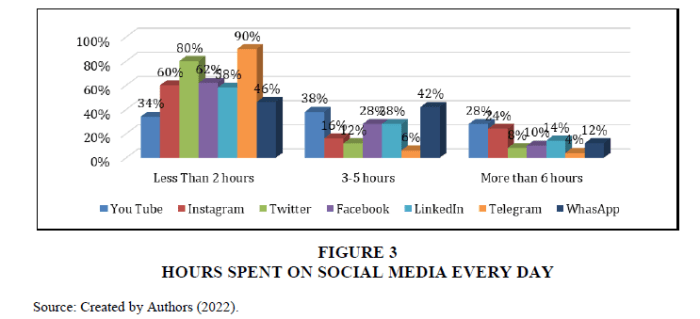
The landscape of social media marketing is continuously evolving, driven by technological advancements and changing consumer behaviors. Staying attuned to emerging trends is vital for marketers looking to maintain a competitive edge. Understanding these innovations allows businesses to adapt their strategies effectively, ensuring they resonate with their target audiences.New technologies significantly impact marketing strategies, particularly through the adoption of artificial intelligence (AI) and augmented reality (AR).
These tools enable marketers to analyze consumer data more efficiently, create immersive experiences, and personalize content at scale.
Emerging Trends Shaping the Future of Social Media Marketing
Several key trends are currently influencing the trajectory of social media marketing. It is essential for marketers to recognize and incorporate these trends into their strategies:
- AI-Driven Marketing: AI technologies enhance targeting precision through advanced data analytics, enabling more personalized marketing efforts. Businesses are utilizing AI to curate content, schedule postings, and engage with customers in real-time.
- Augmented Reality Experiences: AR allows brands to create interactive experiences that captivate audiences, such as virtual try-ons or gamified content. This innovation increases engagement and fosters brand loyalty.
- Short-Form Video Content: Platforms like TikTok and Instagram Reels emphasize the importance of concise, engaging videos. Brands are increasingly focusing on creating short-form content that captures attention quickly.
- Social Commerce: The integration of e-commerce features within social media platforms simplifies the shopping experience, allowing consumers to purchase products directly from their favorite platforms. This shift changes how brands approach sales and marketing.
- Increased Focus on Authenticity: Consumers are gravitating towards brands that demonstrate transparency and authenticity. User-generated content and influencer partnerships are effective strategies for building trust and credibility.
Impact of New Technologies on Marketing Strategies
The integration of new technologies has transformed traditional marketing approaches into highly targeted, data-driven endeavors. Marketers must navigate the implications of these innovations to maximize their impact:
- Enhanced Data Analytics: Advanced analytics tools provide deeper insights into consumer behavior, enabling brands to refine their strategies based on real-time data.
- Chatbots and Automation: AI-powered chatbots streamline customer service by providing instant responses to inquiries, thus improving customer satisfaction and operational efficiency.
- Content Personalization: Machine learning algorithms analyze user data to deliver personalized content recommendations, increasing engagement and conversion rates.
Importance of Staying Current with Social Media Platform Updates
Social media platforms continually evolve, introducing new features and algorithms that can significantly impact marketing strategies. Marketers must remain informed about these changes to effectively engage their audiences:
- Algorithm Changes: Understanding how platform algorithms prioritize content visibility allows marketers to optimize their strategies for maximum reach and engagement.
- New Features and Tools: Leveraging new tools such as live streaming, stories, and shopping capabilities can enhance content engagement and provide fresh avenues for audience interaction.
- Regulatory Updates: Staying informed about changes to data privacy regulations is crucial for compliance and maintaining consumer trust.
“To remain competitive in the ever-changing social media landscape, businesses must continuously adapt to the latest trends and innovations in marketing technology.”
Legal Considerations in Social Media Marketing
In the dynamic landscape of social media marketing, understanding the legal framework is paramount. Marketers must navigate various legal aspects, including copyright protection and privacy regulations, to ensure compliance while engaging audiences effectively. Ignoring these considerations can lead to substantial legal repercussions, tarnishing a brand’s reputation and causing financial losses.Legal issues in social media marketing encompass several critical factors that marketers must consider.
These include adherence to copyright laws, which protect the original works of creators and prevent unauthorized use of copyrighted materials. Additionally, privacy laws govern how marketers collect, store, and utilize personal data from users. Compliance with these regulations fosters trust and transparency, essential components for successful marketing campaigns.
Copyright and Privacy Issues
In the realm of social media, respecting copyright is crucial. Marketers should understand that using images, videos, or text without proper authorization can lead to copyright infringement claims. It is advisable to utilize content created in-house, acquire licenses for third-party content, or use royalty-free resources to mitigate risks. Furthermore, privacy issues are increasingly relevant in the digital age. Regulations such as the General Data Protection Regulation (GDPR) in Europe and the California Consumer Privacy Act (CCPA) in the United States impose strict guidelines on how user data is collected and processed.
Marketers must implement robust data protection measures and provide clear privacy policies to inform users about their data rights.
Transparency and Disclosure in Sponsored Content
Transparency is a key ethical principle in social media marketing, especially concerning sponsored content and influencer partnerships. The Federal Trade Commission (FTC) requires marketers to disclose any material connections between them and influencers, ensuring that consumers are aware of promotional content. Proper disclosure enhances consumer trust and helps maintain the integrity of marketing practices.Marketers should follow these guidelines to ensure appropriate disclosures in sponsored content:
- Use clear and conspicuous language to indicate sponsored posts, such as “#ad” or “Paid partnership.”
- Place disclosures at the beginning of the content rather than at the end for maximum visibility.
- Avoid vague terms that may mislead consumers about the nature of the partnership.
Navigating Platform-Specific Policies and Guidelines
Each social media platform has its own set of policies and guidelines that marketers must adhere to. Familiarity with these rules is essential for ensuring compliance and optimizing content for each platform. For instance, advertisements on Facebook must comply with their Advertising Policies, which Artikel restrictions on prohibited content and target audience specifications.Marketers should consider the following steps to navigate platform-specific policies effectively:
- Review the advertising guidelines of each platform regularly to stay updated on changes.
- Consult the community standards of platforms to ensure user-generated content aligns with their policies.
- Utilize resources provided by platforms, such as Facebook’s Creator Studio or Instagram’s Business tools, to facilitate compliance.
Adhering to legal considerations in social media marketing not only mitigates risks but also builds a trustworthy relationship with consumers, enhancing brand loyalty and engagement.
Case Studies and Real-World Applications
The exploration of case studies in social media marketing reveals key insights into effective strategies and common errors encountered by brands. By analyzing successful campaigns alongside those that fell short, businesses can glean valuable lessons that guide their future marketing endeavors. These real-world applications not only showcase innovative practices but also underline the importance of adaptability in an ever-evolving digital landscape.
Successful Brands and Their Social Media Strategies
Several brands have demonstrated exceptional prowess in their social media marketing efforts, effectively engaging their target audience while achieving substantial growth. Notable examples include:
- Coca-Cola: The brand’s “Share a Coke” campaign personalized user experience by replacing its iconic logo with popular names on Coke bottles. This strategy boosted engagement, as consumers were encouraged to share photos on social media, leading to increased sales and a stronger brand connection.
- Wendy’s: Utilizing humor and wit, Wendy’s has effectively engaged audiences through its Twitter account. The brand’s playful banter with competitors and willingness to embrace trending topics has cultivated a loyal following, resulting in improved brand perception and customer loyalty.
- Airbnb: By leveraging user-generated content, Airbnb showcases authentic travel experiences. The brand encourages hosts and guests to share their stories and photos, which not only enriches community engagement but also enhances credibility and trust among potential users.
Common Pitfalls and Failures in Social Media Marketing
Despite the success stories, many brands have faced challenges in their social media marketing efforts, often due to strategic missteps. Recognizing these pitfalls can help companies avoid similar fates. Some common failures include:
- Lack of Clear Objectives: Brands that enter social media without defined goals often find it challenging to measure success or adapt strategies effectively. Clear objectives are essential for guiding content creation and audience engagement.
- Ignoring Audience Feedback: Failing to listen to audience feedback can lead to misalignment with consumer preferences. Brands that disregard negative comments or constructive criticism risk damaging their reputation and losing customer trust.
- Over-Promotion: Excessive promotional content can alienate audiences. Brands must strike a balance between promotional posts and engaging, value-driven content to maintain audience interest.
Lessons Learned from Various Case Studies
The analysis of both successful campaigns and notable failures provides critical lessons for brands looking to enhance their social media marketing strategies. Key takeaways include:
- Engage Authentically: Building genuine relationships with audiences fosters trust and loyalty. Brands should prioritize authentic interactions over superficial engagement.
- Adapt and Evolve: The social media landscape is dynamic. Brands must remain flexible and willing to adapt their strategies based on emerging trends and audience behaviors.
- Data-Driven Decisions: Utilizing analytics and metrics to inform decisions is vital. Brands that leverage data to understand audience preferences and behaviors can optimize their content and improve engagement.
“The only way to do great work is to love what you do.”
Steve Jobs
End of Discussion
In summary, Social Media Marketing is a multifaceted approach that combines strategy, creativity, and analytics to enhance brand engagement and customer loyalty. By adapting to emerging trends and effectively utilizing available tools, businesses can navigate the complexities of the digital landscape and maximize their marketing efforts. Embracing these practices will equip brands to thrive in an ever-evolving environment.
Popular Questions
What are the main benefits of Social Media Marketing?
Social Media Marketing enhances brand visibility, increases engagement with customers, drives website traffic, and facilitates customer insights through direct interactions.
How often should I post on social media?
The frequency of posting depends on the platform and your audience; generally, consistency is key, and you should aim to post regularly without overwhelming your followers.
What types of content perform best on social media?
Engaging visuals, informative videos, interactive polls, and authentic storytelling generally perform well on social media platforms.
How can I measure the success of my Social Media Marketing efforts?
You can measure success through metrics such as engagement rates, reach, conversion rates, and traffic to your website using analytics tools.
What are some common mistakes to avoid in Social Media Marketing?
Common mistakes include inconsistency in posting, neglecting audience engagement, failing to analyze performance, and not having a clear strategy.