Influencer Marketing Strategies and Insights for Success
Influencer Marketing has rapidly transformed into a pivotal component of contemporary digital marketing strategies. In an age where consumers rely heavily on social media and peer recommendations, influencer marketing facilitates brands in connecting authentically with their target audiences through trusted voices. This approach not only enhances brand visibility but also fosters deeper engagement and loyalty.
Over the years, influencer marketing has evolved significantly, adapting to trends and consumer behaviors. From the rise of micro and nano influencers to the strategic integration of technology, understanding its nuances is essential for brands seeking to leverage this dynamic platform effectively. By navigating the complexities of influencer partnerships, companies can craft campaigns that resonate and drive meaningful results.
Overview of Influencer Marketing
Influencer marketing has emerged as a pivotal strategy in the modern digital landscape, leveraging the power of individuals who possess the ability to sway the opinions and purchasing decisions of their followers. This approach not only enhances brand visibility but also fosters authentic connections between brands and their target audiences, making it a vital component of contemporary marketing strategies.The evolution of influencer marketing over the past decade has been remarkable.
Initially, brands relied heavily on celebrity endorsements, primarily utilizing high-profile personalities to promote their products. However, with the rise of social media platforms and changing consumer behaviors, the landscape has shifted. Today, brands engage with a diverse range of influencers who encompass various categories and follower counts, resulting in a more nuanced and effective marketing approach.
Types of Influencers
Understanding the different types of influencers is essential for brands aiming to optimize their marketing strategies. Influencers can be categorized primarily into three groups: macro, micro, and nano influencers. Each type brings unique advantages and impacts.
- Macro Influencers: Typically defined as individuals with large followings (usually over 100,000), macro influencers often have a wide reach and can generate significant visibility for brands. Their established credibility and professional approach make them ideal for large-scale campaigns. However, their engagement rates might be lower compared to smaller influencers due to the broader audience they cater to.
- Micro Influencers: These influencers possess a following ranging from 1,000 to 100,000. Micro influencers often foster a deeper relationship with their followers, leading to higher engagement rates. Brands benefit from their authenticity, as their niche audiences are more likely to trust their recommendations. For instance, a beauty brand may collaborate with a micro influencer specializing in skincare to target a specific demographic effectively.
- Nano Influencers: Nano influencers have fewer than 1,000 followers, yet they tend to have the highest engagement rates. These individuals are often perceived as friends or peers, which enhances trust amongst their followers. Brands looking to build strong community ties may find nano influencers particularly effective. A local café could partner with a nano influencer to promote a new menu item, reaching potential customers in their immediate area.
The choice of influencer types ultimately depends on the brand’s objectives, target audience, and budget considerations. Each category offers distinct advantages, allowing brands to tailor their influencer marketing strategies effectively.
Strategies for Successful Influencer Marketing

Effective influencer marketing requires a thoughtful approach to selecting the right influencers and crafting an impactful campaign. This section provides concrete strategies for brands aiming to leverage influencer partnerships to maximize their reach and engagement.
Effective Strategies for Selecting the Right Influencers
Choosing the right influencer is crucial for the success of any influencer marketing campaign. The following criteria can help brands make informed decisions:
- Niche Relevance: Ensure the influencer’s content aligns with the brand’s target audience and industry. This relevance increases the likelihood of engagement and conversion.
- Engagement Rate: Analyze the influencer’s average likes, comments, and shares relative to their follower count. A high engagement rate often indicates a loyal audience.
- Audience Demographics: Understand the demographics of the influencer’s followers. Brands should aim for audiences that match their target customer profiles.
- Content Quality: Review the quality of the influencer’s content, including aesthetics and messaging consistency. High-quality content reflects positively on the brand.
- Previous Partnerships: Investigate previous collaborations to assess the influencer’s experience and the success of past campaigns.
Step-by-Step Guide on Creating an Influencer Marketing Campaign
A structured approach to developing an influencer marketing campaign can significantly enhance its effectiveness. Here is a detailed guide:
- Define Objectives: Clearly Artikel the goals of the campaign, such as increasing brand awareness, generating leads, or driving sales.
- Identify Target Audience: Specify the demographics, preferences, and behaviors of the audience you wish to reach.
- Select Influencers: Use the criteria established earlier to identify and shortlist influencers who resonate with your target audience.
- Develop Campaign Concept: Create a compelling narrative or theme for the campaign that aligns with both the influencer’s style and the brand’s message.
- Establish Terms: Clearly define roles, deliverables, timelines, and compensation to ensure mutual understanding and agreement.
- Monitor and Measure: Define key performance indicators (KPIs) and use analytics tools to track the campaign’s performance throughout its duration.
- Optimize: Be willing to adapt and make changes based on real-time feedback and performance data to enhance campaign outcomes.
Best Practices for Building Long-Term Relationships with Influencers
Fostering long-term relationships with influencers can lead to authentic partnerships and consistent brand representation. Here are some best practices to consider:
- Transparent Communication: Maintain open lines of communication to discuss expectations, feedback, and ideas for future collaborations.
- Regular Engagement: Engage with influencers regularly on social media, commenting on their posts, and sharing their content to build rapport.
- Offer Value: Provide influencers with exclusive perks, such as early access to products or invitations to events, enhancing their connection to the brand.
- Solicit Feedback: Ask for the influencer’s input on campaign strategies or brand initiatives, demonstrating that their opinions are valued.
- Celebrate Milestones: Acknowledge and celebrate the success of campaigns and influencer achievements, reinforcing a positive relationship.
Building lasting relationships with influencers is essential for sustainable growth in brand visibility and credibility in the market.
Measuring the Success of Influencer Marketing Campaigns
Measuring the success of influencer marketing campaigns is crucial for understanding their effectiveness and ROI. By evaluating various performance metrics, businesses can determine if their strategies align with their marketing goals and how well they resonate with their target audience. Key performance indicators (KPIs) play a vital role in assessing the impact of influencer marketing initiatives. These metrics provide insights into audience engagement, brand awareness, and conversion rates, enabling companies to make data-driven decisions for future campaigns.
Key Performance Indicators for Influencer Marketing
To effectively measure the success of influencer marketing campaigns, it is essential to focus on specific KPIs that directly reflect campaign objectives. Below are some critical performance indicators:
- Reach: The total number of unique users who have seen the influencer’s content.
- Engagement Rate: The percentage of the audience that interacts with the content, including likes, comments, shares, and saves.
- Conversion Rate: The percentage of users who completed a desired action, such as making a purchase or signing up for a newsletter, after engaging with the influencer’s content.
- Brand Mentions: The frequency with which the brand is mentioned in posts or comments related to the influencer campaign.
These KPIs provide a comprehensive view of how well an influencer marketing campaign is performing against its objectives.
Tracking Engagement Metrics and Conversion Rates
Tracking engagement metrics and conversion rates requires a combination of tools and strategies. Businesses can leverage various analytics platforms and techniques to gather accurate data that reflect the effectiveness of their campaigns.
“Effective measurement of engagement and conversion rates is fundamental to refining influencer marketing strategies.”
The following methods can be utilized to track these metrics:
- Social Media Analytics: Most social media platforms offer built-in analytics tools that provide insights into post performance, audience demographics, and engagement rates.
- UTM Parameters: By adding UTM codes to a campaign’s URLs, businesses can track traffic sources and analyze user behavior on their websites.
- Affiliate Links: Influencers can use unique affiliate links to track sales generated from their referrals, providing clear data on conversion rates.
- Surveys and Feedback: Collecting direct feedback from customers through surveys can help gauge the impact of influencer campaigns on brand perception and purchase decisions.
Each of these methods offers unique insights that can guide future marketing strategies.
Comparison of Tools for Measuring Campaign Success
Various tools are available for measuring the success of influencer marketing campaigns. Below is a comparison of some popular tools that assist in tracking KPIs effectively:
| Tool Name | Key Features | Best For |
|---|---|---|
| Google Analytics | Website traffic tracking, conversion tracking, user behavior analysis | Comprehensive analysis of overall campaign performance |
| Hootsuite | Social media management, engagement monitoring, performance analytics | Tracking multiple social media channels |
| Followerwonk | Twitter analytics, audience insights, influencer discovery | Measuring Twitter-specific campaigns |
| Sprout Social | Social media reporting, engagement metrics, audience demographics | In-depth analysis of social media interactions |
Each tool offers distinct advantages that can significantly enhance the measurement of influencer marketing campaigns. By selecting the appropriate tools and focusing on relevant KPIs, businesses can derive valuable insights that drive their marketing efforts forward.
Challenges in Influencer Marketing

Influencer marketing offers significant opportunities for brands to engage with their target audiences authentically. However, navigating this landscape is not without its challenges. Brands often encounter various obstacles when implementing influencer marketing strategies, which can impact the effectiveness of their campaigns and their overall brand reputation.One common challenge faced by brands is ensuring alignment between their values and those of the influencer.
Failing to select the right influencer can lead to partnerships that do not resonate with the target audience or, worse, backfire and damage brand credibility. Additionally, the dynamic nature of social media can create challenges in maintaining consistent messaging and engagement across platforms. To successfully manage these issues, brands must adopt a strategic approach while remaining adaptable to the evolving landscape.
Common Challenges in Influencer Partnerships
Several challenges can arise during influencer partnerships, potentially hindering the success of campaigns. Understanding these challenges is crucial for brands seeking to maximize their influencer marketing efforts.
- Misalignment of Values: Collaborations may fail if the influencer’s personal brand does not align with the brand’s values and messaging. This misalignment can confuse audiences and diminish trust.
- Measurement Difficulties: Quantifying the ROI of influencer campaigns can be challenging. Brands may struggle to connect influencer efforts to sales or specific business goals, making it harder to evaluate effectiveness.
- Authenticity Issues: Influencers perceived as inauthentic or overly commercialized can negatively influence brand perception. Audiences value genuine voices, making it essential for brands to prioritize authentic partnerships.
- Compliance and Regulations: Navigating the legal landscape, including disclosure requirements and advertising regulations, can be complex, especially in different countries. Non-compliance can lead to reputational damage and legal repercussions.
Potential Pitfalls of Influencer Partnerships
While influencer partnerships can be highly beneficial, they also come with potential pitfalls that brands must avoid. Recognizing and addressing these pitfalls is vital for maintaining a successful influencer marketing strategy.
Engaging in influencer marketing without thorough research can lead to partnerships that do not yield the desired outcomes.
- Lack of Research: Partnering with influencers without adequate due diligence can result in collaborations that fail to resonate with the intended audience. Brands should evaluate an influencer’s engagement rates, audience demographics, and overall fit.
- Short-Term Focus: Brands that prioritize quick results may overlook the long-term value of building lasting relationships with influencers. Sustainable partnerships can foster greater authenticity and trust over time.
- Ignoring Audience Feedback: Brands that dismiss audience reactions to influencer campaigns risk alienating their customer base. Monitoring feedback and adjusting strategies accordingly is key to maintaining brand loyalty.
Impact of Influencer Authenticity on Brand Reputation, Influencer Marketing
The authenticity of influencers plays a critical role in shaping brand reputation. Consumers increasingly seek genuine connections and transparency from brands they engage with.
Authenticity fosters trust, and trust is a pivotal factor in consumer decision-making.
The following factors illustrate the importance of influencer authenticity:
- Consumer Trust: Authentic influencers can build significant trust with their audiences, transferring that trust to the brands they endorse. Brands associated with credible influencers benefit from enhanced reputation.
- Engagement Rates: Content created by authentic influencers tends to generate higher engagement rates. Audiences are more likely to interact with and share genuine content, amplifying brand visibility.
- Long-Term Loyalty: When influencers genuinely believe in a brand’s products or services, it fosters long-term loyalty among consumers, resulting in repeat purchases and brand advocacy.
Legal and Ethical Considerations
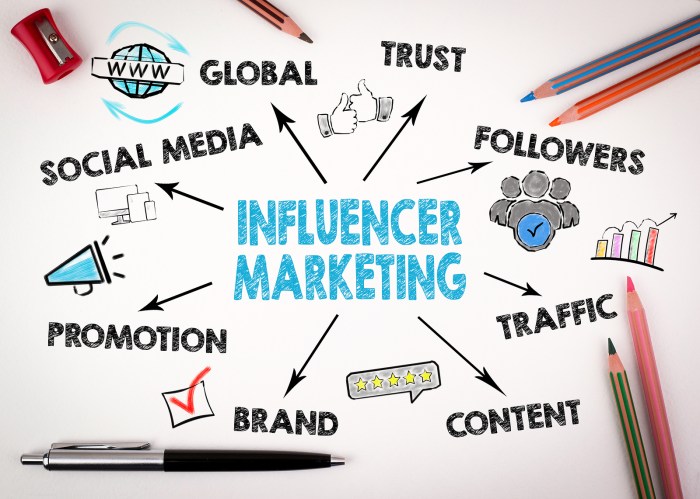
In the rapidly evolving landscape of influencer marketing, understanding legal and ethical considerations is vital for brands and influencers alike. The digital age has brought forth new regulations that aim to protect consumers and ensure fair advertising practices. Compliance with these guidelines not only fosters trust but also enhances the credibility of marketing efforts.Legal frameworks surrounding influencer marketing often include regulations from authorities such as the Federal Trade Commission (FTC) in the United States and equivalent bodies worldwide.
These regulations require transparency in promotional content, ensuring that consumers are not misled about the nature of endorsements.
Essential Legal Guidelines for Influencer Marketing
Adhering to legal guidelines is essential for both influencers and the brands they represent. Key regulations include:
- Disclosure Requirements: Influencers must clearly disclose any material connections with brands they promote, whether through monetary compensation or free products. This can be done using hashtags such as #ad or #sponsored.
- Truth in Advertising: All claims made in marketing content must be truthful and not misleading. Influencers should ensure that any statements about a product’s effectiveness are substantiated by evidence.
- Compliance with Platform Guidelines: Different social media platforms have specific rules regarding advertising. Influencers must familiarize themselves with these guidelines to avoid penalties.
Best Practices for Transparency and Compliance
To maintain legal compliance and foster ethical practices in influencer marketing, several best practices should be adopted:
- Clear Contracts: Establishing written agreements that Artikel the expectations, deliverables, and compensation helps clarify the roles of both parties and protects their interests.
- Consistent Disclosure: Influencers should consistently disclose partnerships in every post and across all platforms to reinforce transparency with their audience.
- Training and Education: Brands can provide training for influencers on compliance and ethical marketing practices to ensure that they understand the importance of disclosure and integrity.
The Role of Disclosure in Maintaining Audience Trust
Disclosure is crucial in building and maintaining trust between influencers and their audiences. When followers are aware of the financial or material relationships behind promotions, they can make informed decisions about the products or services being advertised.
“Transparency in influencer marketing not only complies with legal standards but also cultivates a loyal audience that values authenticity.”
By prioritizing disclosure, influencers can uphold their reputation while brands reinforce their commitment to ethical marketing practices. Ultimately, fostering a transparent environment benefits all stakeholders involved and contributes to the long-term success of influencer marketing campaigns.
Future Trends in Influencer Marketing
The landscape of influencer marketing is continually evolving, shaped by technological advancements and changing consumer behaviors. As we look to the future, several trends are poised to redefine how brands collaborate with influencers, enhancing both engagement and effectiveness in reaching target audiences.
Emerging Technologies and Their Influence
Innovations in technology, especially in artificial intelligence (AI) and augmented reality (AR), are expected to significantly impact influencer collaborations. AI can analyze vast amounts of data to identify the most effective influencers for specific campaigns based on audience demographics and interests. This data-driven approach enhances campaign targeting and optimizes return on investment.AR technologies are providing immersive experiences that can enhance influencer marketing campaigns.
For instance, beauty brands are now using AR to allow consumers to virtually try on products through influencer-led tutorials or demonstrations. This interactivity not only engages customers but also builds trust in the product, as they can visualize its effects before making a purchase.
Shifting Consumer Behaviors
Consumer behaviors are in a state of flux, driven by increased digital interaction and demand for authenticity. Influencers who prioritize transparency and genuine connections with their audience are gaining traction. As consumers become more discerning about brand endorsements, the emphasis on authenticity will shape future influencer marketing strategies. To adapt to these changing dynamics, brands must consider the following factors in their influencer marketing strategies:
- Focus on micro-influencers: Smaller influencers often possess highly engaged audiences, leading to more authentic interactions.
- Emphasize sustainability: Consumers are increasingly valuing brands that demonstrate social and environmental responsibility, making it crucial for influencer partnerships to reflect these values.
- Leverage user-generated content: Encouraging customers to share their experiences with products creates a sense of community and trust that resonates with potential buyers.
The convergence of technological advancements and evolving consumer expectations will necessitate a reevaluation of how brands approach influencer marketing. Engaging with influencers who align with core brand values and have a genuine connection with their audience will be essential in navigating this changing landscape.
“The future of influencer marketing is not just about numbers; it’s about building genuine relationships and fostering community.”
Final Wrap-Up
In conclusion, the landscape of Influencer Marketing continues to evolve, presenting both exciting opportunities and unique challenges for brands. As we look ahead, staying attuned to trends and maintaining authenticity in partnerships will be crucial for success. By implementing effective strategies and measuring outcomes rigorously, brands can harness the full potential of influencer marketing to thrive in a competitive market.
Quick FAQs
What is influencer marketing?
Influencer marketing is a form of social media marketing that involves partnerships between brands and individuals who have a significant following and influence over a target audience.
How do I choose the right influencer for my brand?
Select influencers whose audience aligns with your target market, evaluate their engagement rates, and consider their authenticity and relevance to your brand values.
What are some common mistakes in influencer marketing?
Common mistakes include failing to disclose partnerships, choosing influencers without proper audience research, and not measuring campaign performance effectively.
How can I ensure compliance with legal guidelines?
Stay informed about regulations related to advertising and endorsements, ensure proper disclosures are made in collaborations, and seek legal advice when necessary.
What metrics should I track to measure success?
Key metrics include engagement rates, reach, conversion rates, and return on investment (ROI) to assess the effectiveness of your influencer campaigns.