SEO Services Maximizing Business Visibility Online
SEO Services – Services are essential for businesses looking to enhance their online presence and increase visibility in a competitive digital landscape. Implementing effective strategies can significantly boost website traffic and ensure that your brand reaches its target audience more efficiently. By investing in , businesses can not only improve their ranking in search engine results but also reap long-term benefits that contribute to sustained growth and success.
In today’s technology-driven world, understanding the various aspects of Services, including on-page and off-page optimization, technical , and best practices, is crucial for any organization aiming to thrive online. This overview will delve into the essential types of services, the importance of quality content, and the metrics for measuring success, equipping readers with the knowledge they need to make informed decisions.
Importance of Services: SEO Services
Implementing services is crucial for businesses looking to enhance their online presence and drive organic traffic. In an increasingly digital world, where competition is fierce, having a robust strategy can be the difference between being discovered by potential customers and remaining invisible in the vast online marketplace.The significance of extends beyond mere visibility; it encompasses the methods and strategies that enhance a website’s ranking on search engines.
By optimizing a website’s content, structure, and technical aspects, businesses can significantly improve their chances of appearing on the first page of search results. This increased visibility directly correlates with a higher volume of traffic, as users are more likely to click on links that rank higher.
Impact of on Online Visibility and Traffic
The relationship between services and online visibility is profound. Higher rankings in search results lead to increased exposure and engagement. Businesses that invest in robust practices tend to experience substantial growth in their website traffic over time. This not only boosts brand recognition but also fosters trust among users who often perceive higher-ranked websites as more credible.The following points illustrate the impact of on online visibility and traffic:
- Increased Organic Traffic: High-ranking websites receive a majority of clicks, leading to an influx of organic visitors.
- Targeted Audience Reach: strategies allow businesses to target specific demographics, ensuring that the right audience is reached effectively.
- Enhanced User Experience: practices often involve improving site speed and usability, which retains visitors and encourages repeat traffic.
- Cost-Effective Marketing: Compared to paid advertising, provides a sustainable flow of traffic without ongoing costs for clicks or impressions.
Long-Term Benefits of Investing in Strategies
Investing in is not merely a short-term solution; rather, it yields long-term benefits that can enhance a business’s overall digital strategy. As search engines continue to evolve, so do the techniques to optimize visibility. Businesses that prioritize are more likely to maintain their competitive edge over time.The long-term benefits of investments include:
- Brand Authority: Consistently appearing in top search results builds brand authority and trust among consumers.
- Improved Conversion Rates: With a targeted audience and enhanced user experience, leads to higher conversion rates, turning visitors into paying customers.
- Adaptability to Market Changes: strategies can be adjusted based on changing market trends and consumer behaviors, ensuring continued relevance.
- Competitive Advantage: Businesses that implement effective can outperform competitors who neglect these strategies, securing a dominant market position.
“Investing in is investing in the future of your business.”
Types of Services
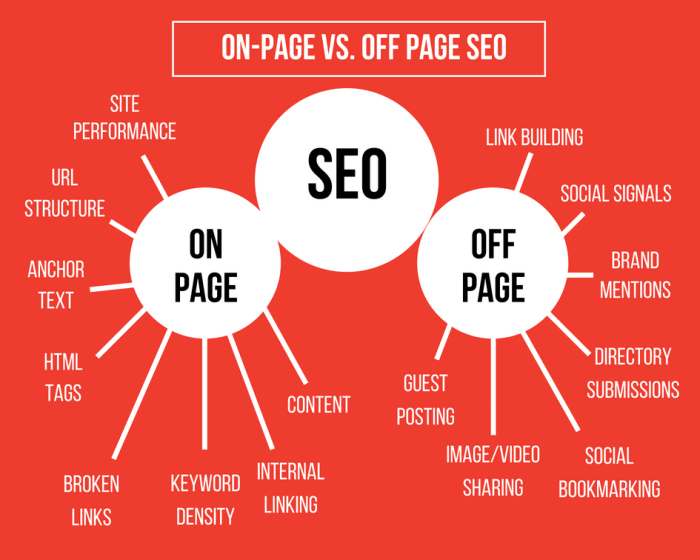
Search Engine Optimization () encompasses a wide array of services designed to enhance online visibility and improve search engine rankings. Understanding the various types of services available is essential for businesses aiming to maximize their digital presence. Each category plays a unique role in crafting effective strategies that cater to specific needs and objectives.
On-Page Services
On-page services focus on optimizing individual web pages to rank higher and earn more relevant traffic in search engines. These services involve tweaking various elements on the page itself to improve its performance. Key components of on-page include:
- Research: Identifying the right s to target based on search volume and competition.
- Content Optimization: Creating high-quality, engaging content that is relevant to the targeted s.
- Meta Tags: Crafting effective title tags and meta descriptions that improve click-through rates.
- URL Structure: Ensuring URLs are concise, descriptive, and include targeted s.
- Internal Linking: Strategically linking to other pages on the same site to enhance navigation and distribute page authority.
Implementing these elements not only aids in better ranking but also enhances user experience, leading to higher engagement and lower bounce rates.
Off-Page Services
Off-page services focus on increasing a website’s authority and relevance through activities performed outside of the actual website. This type of is crucial for building trust and credibility in the eyes of search engines. Important aspects include:
- Backlink Building: Acquiring high-quality backlinks from reputable websites to enhance authority.
- Social Media Marketing: Leveraging social platforms to drive traffic and increase brand awareness.
- Influencer Outreach: Collaborating with influencers to promote content and gain exposure.
- Online Reputation Management: Managing reviews and mentions to maintain a positive online image.
Investing in off-page is vital as it helps establish a website’s prominence in the digital landscape, positively impacting overall search engine rankings.
Technical Services
Technical refers to the optimization of the infrastructure of a website to ensure that search engines can crawl, index, and render the site effectively. This service is often overlooked yet is crucial for the overall performance of an strategy. Key elements of technical include:
- Site Speed Optimization: Ensuring that web pages load quickly, improving user experience and search rankings.
- Mobile-Friendliness: Making sure the website is responsive and provides an optimal experience on mobile devices.
- XML Sitemaps: Creating and submitting sitemaps to search engines to facilitate better indexing.
- SSL Certification: Securing the website with HTTPS to enhance security and trustworthiness.
- Structured Data Markup: Implementing schema markup to help search engines understand the content context and improve rich snippets.
A solid technical foundation ensures that all other efforts can be effectively executed, making it a critical aspect of a comprehensive strategy.
Service Providers
Selecting a reputable service provider is critical for the success of your online presence. A competent provider can greatly enhance your website’s performance on search engines, leading to increased traffic and higher conversion rates. Therefore, understanding what to look for in an service provider is essential when considering options for your business.
Criteria for Selecting a Reputable Service Provider
Identifying a trustworthy service provider involves evaluating several key factors that ensure quality and reliability. Here are some important criteria to consider:
- Proven Track Record: Look for providers with a demonstrated history of successful projects. Check their case studies and client testimonials to gauge their effectiveness.
- Ethical Practices: Ensure that the provider adheres to white-hat techniques as recommended by search engines to avoid penalties.
- Comprehensive Services: Choose a provider that offers a full suite of services, including on-page optimization, link building, content creation, and technical .
- Transparent Communication: A good provider should maintain clear and regular communication about strategies, progress, and results.
- Customized Strategies: Reputable providers tailor their strategies based on your specific business needs and goals, rather than offering a one-size-fits-all approach.
Advantages of In-House Teams versus Outsourcing
When deciding between building an in-house team or outsourcing to an agency, several factors come into play. Each approach has distinct advantages that can impact your business’s strategy.
- In-House Teams: Having an internal team allows for seamless integration with your business operations, promotes better communication, and fosters a deep understanding of the company’s brand and goals.
- Control and Flexibility: An in-house team can adjust strategies quickly based on real-time feedback and changes in business direction or market conditions.
- Outsourcing to Agencies: Outsourcing can provide access to a broader range of expertise and advanced tools that may not be feasible for an in-house team to acquire.
- Cost-Effectiveness: Hiring an agency can be more economical in the short term, especially for small to medium-sized businesses that may not have the budget for a full-time team.
- Scalability: Agencies often have the capacity to scale services up or down according to your needs, which can be beneficial during peak business periods.
Common Pricing Models for Services
When engaging with an service agency, understanding their pricing structure is essential for budgeting and evaluating the overall value of their services. Several common pricing models exist in the industry:
- Hourly Rate: Some providers charge by the hour, making it important to monitor the time spent on various tasks to assess the overall spend.
- Monthly Retainer: This model involves a fixed monthly fee for ongoing services, providing consistent support and strategy throughout the contract duration.
- Project-Based Pricing: Ideal for specific campaigns or initiatives, this model allows businesses to pay for defined projects with clear objectives and deliverables.
- Performance-Based Pricing: Some agencies offer pricing based on the results delivered, such as traffic increases or rankings, aligning their incentives with your business goals.
“Choosing the right provider can significantly influence your online visibility and overall business success.”
Tools and Technologies
In the evolving landscape of digital marketing, tools and technologies play a pivotal role in optimizing websites and improving search engine rankings. These resources are designed to support various aspects of , from research to performance tracking, ultimately enhancing online visibility and driving organic traffic.A comprehensive understanding of these tools is essential for any strategy. They not only aid in the execution of tasks but also provide valuable insights that inform decision-making and strategy adjustments.
The following section Artikels essential tools that are crucial for effective services.
Essential Tools
The following tools are indispensable for executing a successful strategy, offering various functionalities that cater to different aspects of search engine optimization:
- Google Analytics: This free tool provides insights into website traffic, user behavior, and conversion tracking. It allows professionals to assess the effectiveness of their strategies based on real-time data.
- Google Search Console: A vital tool for monitoring website performance in Google search results, it helps identify issues, understand search traffic, and optimize visibility.
- SEMrush: A comprehensive suite that offers research, site audits, and competitive analysis, SEMrush enables users to gain insights into their competitors’ strategies.
- Ahrefs: Known for its robust backlink analysis, Ahrefs allows users to explore their link profile, discover content gaps, and monitor rankings effectively.
- Moz Pro: This platform provides tools for discovery, site audits, and page optimization suggestions, making it easier to enhance on-page .
- Yoast : A popular plugin for WordPress, Yoast helps optimize website content for search engines, providing real-time feedback and guidance on best practices.
Enhancement of Strategies and Performance Tracking
Utilizing tools enhances the overall strategy by offering data-driven insights that guide optimization efforts. Here’s how these tools contribute to improved performance tracking:
- Data Analysis: Tools like Google Analytics aggregate and analyze data, allowing marketers to identify trends and user behaviors that can inform strategies.
- Optimization: Tools such as SEMrush and Ahrefs help identify high-traffic s, enabling the creation of content that meets search intent and drives organic traffic.
- Site Performance Monitoring: Tools like Google Search Console provide alerts for issues such as crawl errors and indexing problems, ensuring that the website remains optimized for search engines.
- Competitor Insights: Tools like SEMrush and Ahrefs allow users to analyze competitor strategies, uncovering opportunities for improvement and areas where they can outperform rivals.
- Backlink Management: Monitoring backlinks with tools like Ahrefs helps identify toxic links and opportunities for building high-quality backlinks, which are crucial for boosting domain authority.
Emerging Technologies Shaping the Future of
As technology evolves, new tools and methodologies are emerging that are set to redefine the landscape. These advancements are crucial for adapting to changing search engine algorithms and user behaviors.
- Artificial Intelligence (AI): AI and machine learning are increasingly integrated into tools, enabling predictive analysis and personalized user experiences. Tools like Clearscope utilize AI for content optimization based on semantic relevance.
- Voice Search Optimization Tools: With the rise of voice-activated devices, optimizing for voice search has become essential. Tools that analyze conversational s and query patterns will be invaluable.
- Mobile Tools: As mobile usage continues to grow, tools focusing on mobile site optimization are becoming critical. This includes performance analysis of mobile pages and user experience metrics.
- Visual Search Technologies: The development of search engines capable of processing visual content necessitates tools that optimize images and videos for search visibility.
- Automation Tools: Automation in tasks, such as reporting and data gathering, is becoming more prevalent, allowing professionals to focus on strategic aspects of rather than manual tasks.
Best Practices
Implementing effective strategies is essential for maximizing visibility and attracting organic traffic to a website. Following best practices can lead to improved search engine rankings, enhanced user experience, and higher conversion rates. Adhering to these principles not only helps businesses to grow online but also establishes their authority within the industry.
Quality Content and User Experience
Content quality and user experience are pivotal in effective practices. High-quality content that provides value to readers tends to rank better on search engines. Search engines prioritize content that answers users’ queries comprehensively and engagingly. Therefore, businesses must focus on creating informative and relevant content.
- Content should be original, well-researched, and free from grammatical errors. This builds credibility and encourages users to engage with the site.
- Utilizing headers, bullet points, and images can enhance readability, making the content more accessible and user-friendly.
- Incorporating relevant s naturally throughout the content improves search visibility without compromising quality.
- Regularly updating content ensures that it remains current and relevant, which positively impacts rankings.
The user experience extends beyond content quality. A seamless and intuitive website design facilitates navigation, which can significantly influence performance. Fast-loading pages, easy access to information, and a clear call-to-action can lead to increased user satisfaction and retention.
Mobile Optimization
With the growing prevalence of mobile device usage, mobile optimization has become a cornerstone of successful efforts. Websites that are not optimized for mobile devices may experience higher bounce rates and lower engagement levels.
- Responsive design allows websites to adapt to various screen sizes, providing an optimal viewing experience across devices.
- Ensuring fast loading times on mobile devices is crucial. Google’s mobile-first indexing means that site speed is directly correlated with search rankings.
- Implementing mobile-friendly navigation enhances usability, allowing users to find information quickly and efficiently.
- Using larger fonts and buttons improves accessibility, catering to a broader audience that includes users with different needs.
Incorporating mobile optimization into strategies not only increases visibility on search engines but also enhances overall user engagement, leading to better business outcomes. Statistics reveal that users are more likely to return to a site that offers a good mobile experience, further reinforcing the significance of this practice.
Measuring Success
Measuring the success of services is crucial for understanding their effectiveness and impact on your business’s online presence. By employing specific metrics, businesses can evaluate the performance of their strategies and determine the return on investment (ROI) from their efforts. This ensures that resources are allocated efficiently and that strategies are adjusted as needed to maximize results.
Key Metrics for Success
To effectively measure success, it is essential to track certain key performance indicators (KPIs). These metrics provide insight into how well your strategies are performing and where improvements can be made. Some of the most critical metrics include:
- Organic Traffic: The number of visitors who arrive at your site through organic search results. Increasing organic traffic is often a primary goal of .
- Rankings: Monitoring the position of targeted s in search engine results pages (SERPs) helps gauge the effectiveness of your strategy.
- Click-Through Rate (CTR): The ratio of users who click on your website’s link compared to the total number of users who viewed the SERP. A higher CTR indicates effective meta titles and descriptions.
- Conversion Rate: The percentage of visitors who complete a desired action on your site, such as making a purchase or signing up for a newsletter. This metric shows how well your site is converting traffic into leads or sales.
- Bounce Rate: The percentage of visitors who leave your site after viewing only one page. A high bounce rate may indicate that your content is not engaging or relevant to users.
Tracking ROI from Investments
Understanding the return on investment from initiatives is vital for justifying budget allocations and optimizing strategies. There are several methods for accurately tracking ROI from investments:
- Attribution Models: Implementing attribution models helps determine how much revenue can be attributed to by tracking customer interactions across various channels.
- Goal Tracking: Setting up specific goals within analytics tools allows you to monitor how many conversions result from organic traffic, linking revenue directly to your efforts.
- Cost Analysis: Calculate the overall costs associated with (including tools, agency fees, and in-house resources) and compare them against the revenue generated from organic leads.
- Customer Lifetime Value (CLV): Analyzing the lifetime value of customers acquired through organic search can provide a broader perspective on the long-term impact of your investment.
Importance of Regular Reporting and Adjustments, SEO Services
Regular reporting and adjustments are integral to maintaining and improving performance. This practice allows teams to identify trends, measure the effectiveness of current strategies, and make informed decisions about future initiatives. Key aspects include:
- Performance Reviews: Conducting monthly or quarterly performance reviews of metrics ensures that strategies remain aligned with business goals and market changes.
- Data-Driven Decisions: Utilizing analytics data to refine content and optimize website elements based on user behavior and preferences helps improve overall engagement and conversion.
- Competitor Analysis: Regularly analyzing competitors’ strategies can uncover new opportunities and inform adjustments to your own tactics.
- A/B Testing: Implementing A/B tests on various elements of your site allows you to determine what resonates best with your audience, leading to continuous improvement.
Regularly reviewing and adjusting your strategy is essential for sustained success in an ever-evolving digital landscape.
Common Mistakes
In the ever-evolving landscape of digital marketing, Search Engine Optimization () plays a pivotal role in enhancing online visibility and driving traffic to websites. However, many businesses often fall into common pitfalls that can hinder their efforts. Understanding and avoiding these mistakes can significantly improve the effectiveness of strategies, ultimately leading to better search engine rankings and increased organic traffic.Frequent mistakes can stem from various factors, including inadequate research, poor on-page optimization, and neglecting mobile-friendliness.
Avoiding these errors requires a thorough understanding of best practices and a commitment to continuous improvement. Below are some common mistakes and strategies to rectify them.
Lack of Research
research is foundational to any strategy. Businesses often neglect this critical step or fail to target relevant s, resulting in suboptimal content that does not resonate with their audience. To avoid this mistake, businesses should invest time in comprehensive research using tools such as Google Planner or Ahrefs. By identifying high-volume, low-competition s, companies can create content that effectively targets their audience’s interests and search behaviors.
Poor On-Page
On-page optimization involves optimizing individual web pages to rank higher and earn more relevant traffic in search engines. Common mistakes include missing title tags, inadequate meta descriptions, and poorly structured URLs. Addressing these mistakes involves ensuring that every page on the website is properly optimized with relevant s in title tags, maintaining an effective meta description that summarizes the content, and creating clean, descriptive URLs.
For instance, a business that revised its website by enhancing on-page elements saw a significant increase in its organic traffic.
Neglecting Mobile Optimization
With the rise of mobile device usage, neglecting mobile optimization can lead to detrimental effects on a website’s performance. Many businesses still maintain a desktop-only focus, which can result in a poor user experience on mobile devices.To rectify this, businesses should adopt a responsive design approach, ensuring that their website adjusts seamlessly to any screen size. A notable example is a retail company that improved its mobile site usability and, as a result, experienced a substantial boost in mobile sales and engagement.
Ignoring Analytics and Reporting
Failing to monitor and analyze performance is a common mistake that can lead to wasted efforts. Businesses often implement strategies without tracking their progress or measuring results, making it challenging to identify what works and what doesn’t.Establishing metrics and using tools like Google Analytics allows businesses to gain insights into traffic sources, user behavior, and conversion rates. By regularly reviewing this data, companies can refine their strategies and enhance overall effectiveness.
Overlooking Content Quality
In the quest for , some businesses prioritize quantity over quality, resulting in thin or duplicate content that fails to engage readers. High-quality, original content is essential for attracting and retaining users as well as earning backlinks.To maintain content quality, businesses should focus on creating informative, engaging, and unique content that provides value to their audience. For example, a blog that shifted its focus from quantity to quality saw a marked improvement in user engagement and search rankings, validating the importance of this approach.By recognizing and addressing these common mistakes, businesses can significantly enhance their online presence and achieve better outcomes in their digital marketing efforts.
Future Trends in Services

As the digital landscape evolves, services must adapt to new technologies and changing consumer behaviors. Understanding future trends in is crucial for businesses looking to maintain a competitive edge. This segment explores the anticipated developments in strategies and the factors influencing these changes.One significant trend shaping the future of is the increasing reliance on artificial intelligence (AI) and machine learning.
These technologies are enhancing search algorithms, making them more sophisticated in understanding user intent and context. As AI continues to evolve, it will transform how professionals analyze data and optimize content.
Voice Search Optimization
The rise of voice-activated devices like smartphones and smart speakers is a noteworthy shift in consumer behavior that directly impacts strategies. Voice search queries tend to be longer and more conversational than text-based searches.To adapt to this trend, businesses should consider the following strategies:
- Use natural language in content creation to reflect how people speak.
- Focus on long-tail s that align with common voice search queries.
- Implement structured data to enhance search visibility for voice responses.
Mobile-First Indexing
With the majority of internet users accessing websites via mobile devices, Google has shifted to mobile-first indexing. This means that the mobile version of a website is considered the primary version for ranking purposes.The implications include:
- Ensuring responsive design for seamless user experience across devices.
- Improving page load speeds as mobile users expect quick access to information.
- Optimizing content for touch navigation and readability on smaller screens.
Content Experience Over Content Quality
While high-quality content remains critical, the focus is increasingly shifting toward content experience. This encompasses how users interact with content, including layout, user engagement, and multimedia elements.Key considerations for enhancing content experience include:
- Incorporating videos, infographics, and interactive elements to engage users effectively.
- Utilizing clear headings, bullet points, and spacing to enhance readability.
- Ensuring easy navigation to improve user satisfaction and reduce bounce rates.
Personalization and User Intent
As users seek more tailored experiences online, personalization will play a crucial role in strategy. Understanding user intent and preferences will enable businesses to deliver relevant content.Strategies to enhance personalization include:
- Utilizing analytics tools to gather insights on user behavior and preferences.
- Segmenting audiences to create targeted content that resonates with specific groups.
- Leveraging retargeting techniques to engage users who have shown interest previously.
Video
The popularity of video content is surging, making video an essential aspect of digital marketing strategies. Engaging videos can significantly boost visibility and engagement on search engines.Important tactics for video are:
- Optimizing video titles, descriptions, and tags with relevant s.
- Utilizing transcripts to make content accessible and indexable.
- Promoting videos across various platforms to enhance reach and engagement.
“The future of will require a blend of technical skills, creativity, and a deep understanding of user psychology.”
As businesses prepare for the evolving landscape of , adapting to these trends will be essential for achieving lasting success.
Ending Remarks
In conclusion, embracing Services is more than just a trend; it is a vital component of any successful digital marketing strategy. By understanding the various types of , the tools available, and common pitfalls to avoid, businesses can effectively position themselves for ongoing success in an ever-evolving digital world. Ultimately, investing in is an investment in the future of your business, paving the way for sustained visibility and growth.
FAQ Insights
What is ?
, or Search Engine Optimization, is the process of enhancing a website’s visibility in search engine results, aiming to attract more organic traffic.
How long does it take to see results from ?
Typically, businesses can expect to see initial results from efforts within three to six months, although significant improvements may take longer depending on competition and strategy.
Do I need to hire an expert?
While not mandatory, hiring an expert can provide specialized knowledge and strategies that enhance the effectiveness of your efforts.
What are backlinks and why are they important?
Backlinks are links from other websites to your own. They are important because they signal to search engines that your content is credible and valuable, helping to improve your site’s authority and ranking.
Can guarantee top rankings?
No reputable service can guarantee top rankings, as search engine algorithms are complex and continually changing. However, effective strategies can significantly improve the likelihood of higher rankings.