Content Marketing Strategy for Effective Engagement
Content Marketing Strategy serves as the backbone of modern digital marketing, essential for businesses aiming to connect with their audience effectively. This strategy not only involves creating valuable content but also ensuring that it resonates with the target audience’s needs and preferences.
By understanding the core components of a successful content marketing strategy, businesses can enhance customer engagement and foster lasting relationships. This comprehensive approach Artikels the vital steps to develop a robust marketing plan, create high-quality content, and promote it through various channels, thereby maximizing outreach and impact.
Understanding Content Marketing Strategy
Content marketing strategy represents a crucial component of digital marketing that focuses on creating and distributing valuable, relevant content to attract and engage a target audience. This approach not only fosters brand loyalty but also drives customer actions that contribute to business goals, making it indispensable in today’s competitive online landscape. A well-defined content marketing strategy can enhance visibility, establish authority, and ultimately generate leads and conversions.The key components of a successful content marketing strategy include audience research, content creation, content distribution, and performance measurement.
Each element plays a vital role in ensuring that the content resonates with the intended audience and supports overall marketing objectives.
Key Components of a Successful Content Marketing Strategy
Understanding the critical elements of a content marketing strategy allows organizations to effectively tailor their efforts to meet the needs of their audience. The following components are essential for developing a robust strategy:
- Audience Research: Knowledge of the target audience’s preferences, pain points, and behaviors is fundamental. This can be gathered through surveys, social media insights, and website analytics, allowing marketers to create content that meets specific needs.
- Content Creation: Producing high-quality, informative, and engaging content is essential. This includes various formats such as articles, videos, infographics, and podcasts, all tailored to the audience’s consumption preferences.
- Content Distribution: Effective dissemination of content across multiple channels, including social media, email newsletters, and -optimized websites, ensures that it reaches a broader audience. The choice of platforms should align with where the target audience is most active.
- Performance Measurement: Tracking the effectiveness of content through metrics such as engagement rates, traffic sources, and conversion rates is crucial. Utilizing tools like Google Analytics can provide insights into what content performs best and inform future strategies.
The relationship between content marketing and customer engagement is inherently interconnected. Engaging content not only captures the audience’s attention but also encourages interaction, fostering a sense of community and loyalty. When customers feel connected to a brand through valuable content, they are more likely to share their experiences, advocate for the brand, and become repeat customers.
“Content is the backbone of customer engagement, driving meaningful interactions and fostering long-term relationships.”
Developing a Content Marketing Plan

Creating a comprehensive content marketing plan is essential for any organization looking to enhance its online presence and engage its audience effectively. A well-structured plan not only Artikels the type of content to be produced but also aligns with the overarching business objectives, ensuring that all marketing efforts are synchronized. This section will provide a clear roadmap for developing a content marketing plan that meets the specific needs of your target audience while supporting your business goals.
Steps to Create a Comprehensive Content Marketing Plan
A systematic approach is vital for developing a content marketing plan. The following steps Artikel the process in detail:
- Conduct a Content Audit: Assess existing content to identify gaps, strengths, and weaknesses in current marketing efforts.
- Define Your Target Audience: Identify key demographics, preferences, and pain points to tailor content effectively.
- Set Clear Goals and Objectives: Establish specific, measurable, achievable, relevant, and time-bound (SMART) goals to guide your content strategy.
- Create a Content Calendar: Plan content distribution, including timelines and formats, to maintain a consistent posting schedule.
- Allocate Resources: Determine the budget, tools, and team members required to execute the content strategy successfully.
- Measure and Analyze: Use analytics to evaluate content performance, making adjustments as necessary to improve engagement and conversion rates.
Assessing Target Audience Needs and Preferences
Understanding the needs and preferences of your target audience is critical for crafting relevant content. This assessment involves qualitative and quantitative research methods to gain insights into audience behavior.
“Customer insights are the foundation of a successful content marketing strategy.”
Several methods for assessing audience needs include:
- Surveys and Polls: Collect feedback directly from your audience regarding their interests, preferences, and challenges.
- Social Media Listening: Analyze interactions and discussions on social platforms to identify trending topics and consumer sentiments.
- Website Analytics: Use tools like Google Analytics to track visitor behavior, popular content, and demographic information.
- Competitor Analysis: Study competitors to understand their audience engagement strategies and identify opportunities for differentiation.
Establishing Content Goals and Objectives
Setting clear content goals ensures alignment with business strategies while providing direction for content creation. The establishment of these objectives should be guided by the overall business vision and market demands.
“Aligning content goals with business strategies drives meaningful engagement and growth.”
Key aspects of goal-setting include:
- Brand Awareness: Increase visibility and recognition through strategic content distribution and promotion.
- Lead Generation: Create content that encourages potential customers to provide their contact information or engage with your brand.
- Customer Retention: Develop content aimed at retaining existing customers by providing value through updates, tips, and support.
- Sales Conversion: Design content that effectively guides prospects through the sales funnel towards making a purchase decision.
Establishing clear and actionable goals will help ensure that your content marketing plan is not only effective but also contributes to the overall success of your business strategy.
Content Creation Techniques
Creating high-quality content is a fundamental aspect of a successful content marketing strategy. The ability to generate engaging and informative content ideas not only enhances brand visibility but also establishes authority in your industry. This section explores effective techniques for content generation, the various formats available, and the importance of maintaining a content calendar to ensure consistent publishing.
Techniques for Generating High-Quality Content Ideas, Content Marketing Strategy
Generating high-quality content ideas requires a strategic approach that leverages various sources of inspiration. Engaging with your audience and staying updated on industry trends are crucial steps. Here are several techniques to consider:
- Conducting research to identify popular topics and search queries in your niche.
- Utilizing social media platforms to monitor conversations and trending themes relevant to your audience.
- Analyzing competitors’ content to pinpoint gaps in their strategy that your content can fill.
- Soliciting feedback directly from your audience through surveys or polls to understand their interests and pain points.
- Leveraging online tools like BuzzSumo or Answer the Public to discover content ideas based on existing popular articles.
Content Formats and Their Purposes
Understanding different content formats and their respective purposes helps in tailoring your content strategy to meet specific goals. Different formats serve distinct functions, appealing to various audience preferences. The following content formats are commonly used in content marketing:
- Blog Posts: Ideal for in-depth exploration of topics, enhancing , and establishing authority.
- Videos: Effective for storytelling and engaging audiences visually; they often lead to higher retention rates.
- Infographics: Great for simplifying complex information and making data visually appealing and easy to digest.
- Podcasts: Allow for deep conversations and can be consumed on-the-go, catering to auditory learners.
- Webinars: Useful for live interaction, education, and direct engagement with your audience.
Creating a Content Calendar
A content calendar serves as a crucial tool in organizing and planning your content strategy. It helps track publishing schedules, ensuring consistency and alignment with marketing goals. Establishing a content calendar involves the following steps:
- Setting clear objectives for your content marketing efforts, such as increasing engagement or generating leads.
- Choosing a frequency for content publication that aligns with your resources and audience expectations.
- Mapping out content themes and topics based on the insights gained from content ideation techniques.
- Incorporating deadlines for content creation and publication to maintain accountability and ensure timely delivery.
- Regularly reviewing and updating the calendar to reflect changes in strategy, audience interests, or market trends.
“A well-structured content calendar can significantly enhance your content marketing effectiveness by ensuring timely and relevant content delivery.”
By employing effective content creation techniques, recognizing the diverse content formats available, and maintaining an organized content calendar, marketers can significantly improve their engagement and overall content marketing success.
Distribution and Promotion Strategies
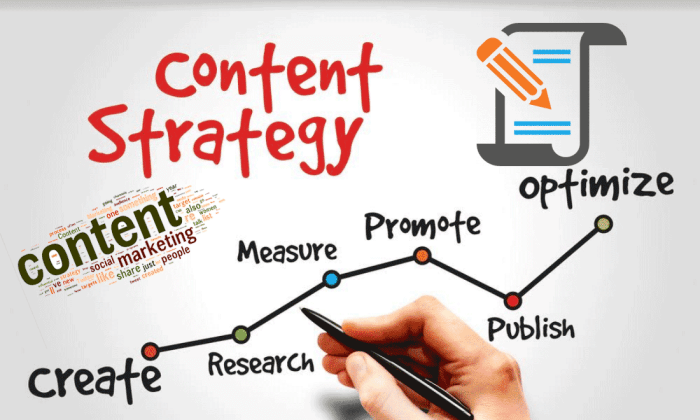
In today’s digital landscape, effective distribution and promotion of content are essential for reaching and engaging the target audience. The right strategies not only ensure that the content is seen but also enhance its impact and effectiveness in fulfilling marketing objectives. This section Artikels various channels and techniques for distributing content, leveraging social media, and utilizing email marketing to retain and engage audiences.
Channels for Distributing Content
To reach the target audience effectively, it is crucial to utilize a variety of distribution channels. The selection of channels should align with the preferences of your audience and the nature of your content. The following channels are widely recognized for their effectiveness in content distribution:
- Social Media Platforms: Platforms like Facebook, Twitter, LinkedIn, and Instagram allow for real-time sharing and engagement, making them ideal for distributing diverse content types.
- Content Syndication: Sharing content through third-party sites can significantly increase visibility and drive traffic back to your original content.
- Website and Blog: Hosting content on a dedicated website or blog not only improves but also establishes authority and credibility in your niche.
- Online Communities and Forums: Engaging with niche communities can help target specific audiences who are genuinely interested in your content.
Utilization of Social Media for Promotion
Social media serves as a powerful tool for promoting content and engaging with users. By crafting tailored messages for each platform, brands can enhance their visibility and foster community interactions. Key strategies for effective social media promotion include:
- Consistent Posting Schedule: Maintaining a regular posting schedule keeps your audience engaged and informed about new content.
- Visual Content: Incorporating images, infographics, and videos can significantly boost engagement rates, as visually appealing posts often attract more interaction.
- Hashtags and s: Utilizing relevant hashtags increases discoverability, allowing users interested in specific topics to find your content easily.
- Engagement with Followers: Responding to comments, sharing user-generated content, and participating in conversations can build a loyal community around your brand.
Benefits of Email Marketing in Content Distribution
Email marketing remains a highly effective method for distributing content and retaining audience attention. It provides the opportunity to connect with users directly in their inboxes, which can lead to higher engagement rates. The benefits of email marketing include:
- Personalization: Tailoring emails to individual preferences increases the likelihood of engagement, as personalized content resonates more with recipients.
- Segmentation: Segmenting email lists allows marketers to target specific groups with relevant content, improving open and click-through rates.
- Analytics and Insights: Email marketing platforms provide valuable metrics that help in understanding audience behavior and adjusting strategies accordingly.
- Cost-Effectiveness: Compared to other forms of marketing, email campaigns often have a higher ROI, making it a budget-friendly option for content distribution.
Measuring Content Marketing Success
Measuring the effectiveness of a content marketing strategy is essential to ensure that the efforts invested yield substantial results. By establishing key performance indicators (KPIs) and utilizing various analytical methods, marketers can gain valuable insights into audience engagement and overall content performance. This section will delve into the importance of measuring success and highlight the tools available for tracking metrics effectively.
Key Performance Indicators (KPIs)
Identifying the right KPIs is crucial for evaluating the success of content marketing initiatives. KPIs provide measurable values that indicate the performance and impact of content efforts. The following list Artikels essential KPIs commonly used to assess content marketing effectiveness:
- Website Traffic: The total number of visitors to a website can indicate the reach and visibility of content.
- Engagement Rate: Metrics such as likes, shares, comments, and time spent on page reflect how well the audience interacts with the content.
- Conversion Rate: The percentage of visitors who take a desired action, such as subscribing to a newsletter or making a purchase, showcases the effectiveness of content in driving actions.
- Performance: Tracking organic search rankings and the number of backlinks can help evaluate how well content performs in search engines.
- Lead Generation: The quantity of leads generated from content marketing efforts indicates its effectiveness in attracting potential customers.
Methods for Analyzing Audience Engagement
To thoroughly understand audience engagement, various methods can be employed to analyze how well content resonates with the target demographic. These methods include:
- Social Media Analytics: Platforms like Facebook, Twitter, and LinkedIn offer native analytics tools that provide insights into post performance, audience demographics, and engagement levels.
- Google Analytics: This powerful tool enables marketers to track user behavior, traffic sources, and conversion rates, allowing for a comprehensive understanding of audience interaction with content.
- Surveys and Feedback: Gathering direct feedback through surveys or comment sections can yield qualitative data about audience perceptions and preferences regarding content.
Tools for Tracking and Reporting Metrics
Utilizing the right tools can streamline the process of tracking and reporting on content marketing metrics. Below are some widely used tools that can aid in this endeavor:
- HubSpot: This inbound marketing platform offers comprehensive analytics for measuring content performance, lead generation, and overall strategy effectiveness.
- SEMrush: A versatile tool for analysis, SEMrush provides insights into rankings, backlinks, and competitive analysis, aiding in content optimization.
- BuzzSumo: This tool enables users to analyze content performance across various platforms, identifying which topics resonate most with audiences and generating the highest engagement.
- Sprout Social: A social media management tool that offers analytics for engagement and audience demographics, helping marketers tailor content strategies accordingly.
Adapting Your Strategy
In the ever-evolving landscape of content marketing, adaptability is crucial for sustained success. As consumer preferences shift and new technologies emerge, refining your strategy based on feedback and market dynamics becomes essential. This section will explore effective methods for gathering feedback and overcoming common challenges in content marketing, as well as the importance of keeping abreast of industry trends.Gathering feedback from various sources is vital for refining and adapting your content marketing strategy.
Effective feedback mechanisms can involve surveys, social media interactions, website analytics, and engagement metrics. Regularly soliciting opinions from your audience helps identify content that resonates and areas needing improvement. This iterative process not only enhances your marketing efforts but also fosters a sense of community with your audience.
Common Challenges and Solutions in Content Marketing
Content marketing professionals often face several challenges that can hinder the effectiveness of their strategies. Understanding these challenges and implementing solutions is key to maintaining a robust marketing approach. The following list details common challenges and strategies for overcoming them:
- Content Saturation: With an overload of information available to consumers, standing out is increasingly difficult. To combat this, focus on creating unique, high-quality content that offers genuine value to your audience.
- Measuring ROI: Many marketers struggle to quantify the return on investment for their content efforts. Implementing clear KPIs and utilizing analytics tools can help track performance and demonstrate the value of content marketing initiatives.
- Maintaining Consistency: Producing consistent content can be a logistical challenge. Establishing a content calendar and utilizing project management tools can streamline the planning and execution process.
- Adapting to Algorithm Changes: Search engine and social media algorithms are constantly evolving, impacting visibility. Regularly updating your understanding of these algorithms and adjusting your strategy accordingly is essential for maintaining reach.
“Adaptability is not imitation. It means power of resistance and assimilation.” – Mahatma Gandhi
Staying updated with industry trends and understanding consumer behavior is fundamental to adapting your content marketing strategy. Engaging with industry publications, attending webinars, and participating in professional networks can enhance your knowledge of emerging trends. Additionally, monitoring consumer feedback through surveys and social media can provide insights into changing preferences and behaviors. This proactive approach ensures your content remains relevant and aligned with your target audience’s needs.
Final Review: Content Marketing Strategy
In summary, a well-crafted Content Marketing Strategy is not just about producing content but involves a thoughtful process of planning, execution, and analysis. By continuously adapting to feedback and trends, businesses can ensure their content remains relevant and impactful, ultimately driving success in their marketing efforts.
Expert Answers
What is the primary goal of a content marketing strategy?
The primary goal is to attract and engage a target audience by creating valuable, relevant content that drives profitable customer action.
How often should content be published?
Publishing frequency depends on the audience and resources, but consistency is key; developing a content calendar can help maintain regularity.
What role does play in content marketing?
helps optimize content for search engines, increasing visibility and driving organic traffic to the content.
Can small businesses benefit from content marketing?
Yes, small businesses can leverage content marketing to build brand awareness, connect with customers, and compete effectively in their niche.
How can I measure the effectiveness of my content marketing?
Effectiveness can be measured using key performance indicators (KPIs) such as engagement rates, web traffic, conversion rates, and social shares.