Conversion Rate Optimization Driving Business Success
Conversion Rate Optimization is a critical aspect of digital marketing that focuses on enhancing the effectiveness of online platforms to convert visitors into customers. This process involves analyzing various metrics and user behaviors to identify opportunities for improvement, ultimately leading to higher conversion rates and increased revenue. Understanding the importance of this optimization allows businesses to align their strategies with customer needs and market demands.
By delving into the psychological triggers, user experience, and effective website design, organizations can significantly boost their conversion rates. The integration of analytics tools and continuous testing further enriches this approach, fostering a culture of ongoing improvement and adaptation to ever-evolving market conditions.
Introduction to Conversion Rate Optimization
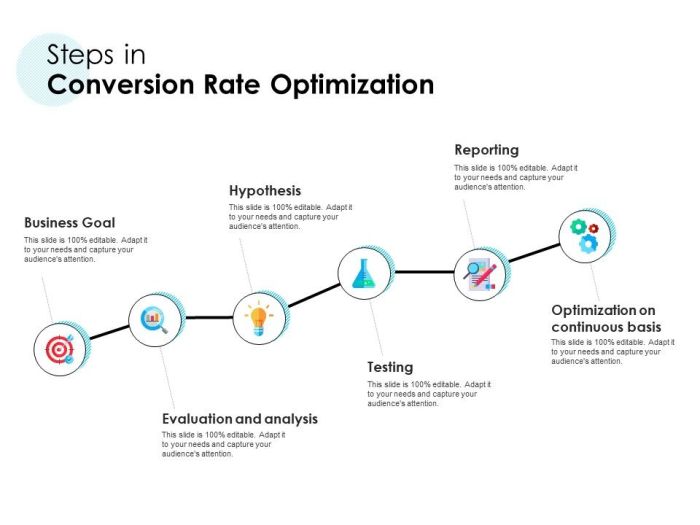
Conversion Rate Optimization (CRO) is a systematic approach aimed at increasing the percentage of website visitors who take a desired action, such as making a purchase, signing up for a newsletter, or filling out a contact form. In the realm of digital marketing, the significance of CRO cannot be overstated; it directly impacts a business’s bottom line by maximizing the value derived from its existing traffic without necessarily increasing the volume of visitors.Key metrics that define conversion rates are essential for evaluating the effectiveness of any CRO strategy.
These include overall conversion rate, which is calculated as the number of conversions divided by the total number of visitors, expressed as a percentage. Other important metrics include bounce rate, which indicates the percentage of visitors who leave a site after viewing only one page, and average session duration, reflecting how long visitors stay on a website. Understanding these metrics helps businesses identify areas for improvement and measure the success of their CRO efforts.
Common Goals of Conversion Rate Optimization Strategies
Businesses that implement Conversion Rate Optimization strategies typically aim to achieve several key objectives. These goals guide their efforts in enhancing the user experience and driving conversions effectively. The following list Artikels the primary goals associated with CRO initiatives:
- Increase Sales: Businesses strive to boost their sales figures by converting a higher percentage of site visitors into paying customers.
- Enhance Lead Generation: Many companies are focused on improving their lead generation efforts, aiming to capture more user information for future marketing initiatives.
- Improve User Experience: Optimizing the website’s usability and design is essential for providing a seamless experience that encourages conversions.
- Reduce Cart Abandonment: E-commerce businesses work to minimize the rate at which customers abandon their shopping carts before completing a purchase.
- Maximize Marketing ROI: By increasing conversion rates, businesses can derive greater value from their marketing campaigns, leading to a more favorable return on investment.
Understanding these goals allows businesses to tailor their CRO strategies to meet specific objectives, fostering an environment conducive to increased conversions and overall success.
Understanding User Behavior: Conversion Rate Optimization
The analysis of user behavior is a pivotal component in Conversion Rate Optimization (CRO). By delving into how users interact with a website, businesses can uncover insights that inform the design and functionality of their platforms. Understanding the nuances of user behavior allows for targeted interventions that can significantly enhance conversion rates.Analyzing user behavior involves various methodologies that provide a clear picture of how visitors navigate through a website.
Tools such as Google Analytics, heatmaps, and session recordings offer invaluable data on user interactions, including click patterns, scroll depth, and time spent on pages. This information is essential as it directly impacts conversion rates; for instance, if users frequently abandon their shopping carts, this suggests potential issues in the purchasing process that need addressing. By identifying these critical touchpoints, businesses can streamline the user experience, thus encouraging visitors to complete their desired actions.
Methods to Analyze User Behavior
Several analytical methods provide insights into user behavior. Each of these methods serves a distinct purpose in understanding the user journey, enabling optimization strategies to be implemented effectively.
- Google Analytics: This tool tracks user interactions, providing metrics such as bounce rates, average session duration, and conversion funnels, which help identify where users drop off and what keeps them engaged.
- Heatmaps: These visual representations show where users click, scroll, or hover on a webpage, revealing their interests and pain points, thus guiding design elements to improve engagement.
- Session Recordings: By observing real user sessions, businesses can gain insights into user behavior patterns, identifying usability issues and areas for improvement in real-time.
- A/B Testing: This method compares two versions of a webpage to determine which one performs better regarding user engagement and conversions, allowing data-driven decisions for design changes.
Importance of User Feedback and Surveys
User feedback is a crucial aspect of understanding the overall user experience. Surveys and feedback forms allow users to express their thoughts and feelings about their interactions with a website. Gathering this data provides qualitative insights that quantitative data alone might miss.Incorporating user feedback can lead to significant improvements in the user experience. For example, a website could implement surveys at different stages of the user journey to gauge satisfaction and identify areas requiring enhancement.
This proactive approach not only empowers users but also fosters a sense of community and engagement. Regularly analyzing feedback can lead to iterative improvements that align the website more closely with user expectations and preferences.
Psychological Triggers Influencing User Decisions
Psychological triggers play a vital role in influencing user decisions and conversions. By understanding these triggers, businesses can craft their messaging and design to resonate more profoundly with their audience.
- Reciprocity: This principle suggests that users are more likely to engage if they feel they have received something valuable, such as free content or discounts.
- Scarcity: Highlighting limited availability can create urgency, prompting users to act quickly to avoid missing out on a product or offer.
- Social Proof: Testimonials, reviews, and user-generated content serve as endorsements that build trust and encourage new users to convert based on the experiences of others.
- Authority: Featuring endorsements from credible authorities or influencers can lend legitimacy to a brand and persuade users to make a purchase.
Understanding these psychological triggers allows businesses to design their websites and marketing strategies in ways that effectively guide users toward conversion.
Website Design and User Experience
Effective website design plays a pivotal role in enhancing user experience, which directly influences conversion rates. A well-structured website not only attracts visitors but also guides them seamlessly through the desired actions, such as making a purchase or signing up for a newsletter. Understanding the essential elements that contribute to both aesthetic appeal and functionality is crucial for optimizing performance and ensuring user satisfaction.Essential elements of effective website design include intuitive navigation, loading speed, visual hierarchy, and consistent branding.
Intuitive navigation allows users to find information quickly, reducing frustration and encouraging exploration. Fast loading times are essential to retain users, as studies indicate that even a one-second delay can lead to significant drops in conversion rates. Visual hierarchy helps users prioritize content, guiding their attention to the most important information first. Consistent branding reinforces trust and recognition, making the website more memorable.
Design Practices that Improve Conversion Rates
Implementing specific design practices can significantly enhance conversion rates. These practices include the following:
- Clear Call-to-Action (CTA) Buttons: Designing prominent and visually distinct CTA buttons encourages users to take desired actions, such as signing up or purchasing. The use of contrasting colors and persuasive text can further improve effectiveness.
- Minimalist Design: A clean, uncluttered layout reduces distractions, allowing users to focus on key messages and offerings. This approach can streamline the user journey and increase the likelihood of conversion.
- High-Quality Visuals: Professional images and videos create a positive first impression and can enhance the perceived value of products or services. Utilizing engaging visuals can also lead to higher engagement rates.
- Trust Signals: Incorporating elements such as customer testimonials, security badges, and recognizable logos reassures users about the credibility of the website, fostering a sense of trust that can lead to conversions.
Importance of Mobile Responsiveness
Mobile responsiveness is a vital aspect of user experience optimization in today’s digital landscape. As mobile browsing continues to rise, ensuring that websites function seamlessly across various devices is essential for maintaining user engagement. A responsive design adapts to different screen sizes, providing an optimal viewing experience regardless of whether users are on a smartphone, tablet, or desktop.The importance of mobile responsiveness can be illustrated by the following points:
- Increased Accessibility: A responsive website allows users to access content anytime, anywhere, enhancing convenience and encouraging higher traffic and engagement.
- Improved Rankings: Search engines like Google prioritize mobile-friendly websites, which can lead to better visibility and increased organic traffic.
- Reduced Bounce Rates: Users are more likely to stay and engage with a site that is easy to navigate on a mobile device, reducing bounce rates and improving overall conversion opportunities.
- Enhanced User Satisfaction: A smooth mobile experience leads to higher user satisfaction, which can foster brand loyalty and increase the likelihood of repeat visits and purchases.
A/B Testing and Experimentation
A/B testing, also known as split testing, is a fundamental practice in conversion rate optimization that allows businesses to compare two versions of a webpage or element to determine which one performs better in terms of conversions. This method not only aids in enhancing user experience but also plays a pivotal role in data-driven decision-making processes. By systematically experimenting with different variables, organizations can continuously refine their digital strategies to meet user expectations and improve conversion rates.The process of A/B testing involves several key steps.
Initially, a hypothesis is formed about a specific change that could improve conversions, such as altering a call-to-action button’s color or modifying the layout of a landing page. Once the hypothesis is established, two versions of the webpage are created: the original (A) and the modified (B). Traffic is then divided between these two versions, with users randomly assigned to either group.
Effective PPC management is crucial for businesses looking to maximize their online advertising efforts. By strategically managing pay-per-click campaigns, companies can ensure they are reaching their target audience while optimizing their budget. This approach not only increases visibility but also enhances conversion rates. For more insights, you may refer to PPC Management.
Metrics such as click-through rates, conversion rates, and user engagement are tracked and analyzed to determine which version outperforms the other.
Successful Examples of A/B Testing
Numerous companies have benefited from A/B testing, leading to significant improvements in their conversion rates. For instance, a well-known online retailer tested two different product page layouts. The A version featured more detailed product descriptions, while the B version focused on user reviews. After conducting the test, the retailer discovered that the B version, which emphasized user reviews, resulted in a 25% increase in sales.
Another noteworthy example comes from a major email marketing service that tested two different subject lines for their email campaigns. The first subject line was straightforward, while the second contained a playful twist. The playful subject line led to a 15% higher open rate, demonstrating the influential role of creativity in A/B testing.These examples underscore the importance of A/B testing as a powerful tool for enhancing engagement and improving conversion rates through informed adjustments.
Setting Up an Effective Testing Framework
Establishing a robust testing framework is essential for measuring the impact of changes accurately. This framework should include a clear strategy for outlining goals, selecting the right metrics, and ensuring appropriate traffic distribution. The following steps Artikel how to create an effective A/B testing framework:
1. Define Clear Objectives
Establish what you aim to achieve with the A/B test, such as increased click-through rates or higher sales.
2. Identify Metrics for Success
Choose relevant metrics that will help measure the effectiveness of the changes. These may include conversion rates, bounce rates, or user engagement levels.
3. Segment Your Audience
Ensure you have a diverse audience sample for the test. Randomly assign users to the A or B version to eliminate bias.
4. Determine Sample Size and Duration
Calculate the necessary sample size needed to achieve statistically significant results and decide on the duration of the test, ensuring it captures enough data.
5. Analyze Results and Implement Changes
After concluding the test, analyze the results to determine which version performed better. Use this data to implement changes and optimize the webpage accordingly.
“A/B testing is not just about changing one element; it’s about understanding user behavior and making informed decisions that drive success.”
By adhering to this structured approach, organizations can maximize the effectiveness of their A/B testing efforts and foster a culture of continuous improvement.
Content Optimization Strategies
Optimizing website content is crucial for enhancing user engagement and increasing conversion rates. Effective content not only captivates the audience but also guides them towards taking desired actions. By employing various strategies, businesses can create compelling narratives that resonate with their target audience, leading to improved outcomes.To achieve optimal content performance, it is essential to understand both the mechanics of persuasive copywriting and the elements of the website that can be tested for effectiveness.
This comprehensive approach ensures that each piece of content serves a purpose and contributes to the overarching goal of conversion optimization.
Persuasive Copywriting Techniques
Persuasive copywriting is a significant component of content optimization that can directly influence a visitor’s decision-making process. By crafting messages that evoke emotions and align with the audience’s needs, businesses can enhance their conversion rates. Key techniques in persuasive copywriting include:
- Utilizing Strong Headlines: A compelling headline grabs attention and encourages users to read further. It should convey the essence of the content concisely.
- Incorporating Storytelling: Engaging narratives can create emotional connections. Sharing relatable stories about the brand or product helps to humanize the message.
- Employing a Clear Call-to-Action (CTA): A well-crafted CTA guides the user towards the next step. It should be direct and persuasive, prompting immediate action.
- Highlighting Benefits Over Features: Focusing on how the product or service enhances the user’s life rather than just listing its features makes the content more appealing.
- Creating a Sense of Urgency: Phrases like “limited time offer” or “only a few items left” can prompt quicker decision-making by instilling a fear of missing out (FOMO).
Content Elements for Testing Optimization
Testing various content elements is vital for identifying what resonates best with your audience. By continuously refining these elements, businesses can maximize their conversion potential.The following content elements should be considered for optimization testing:
- Headlines: Experiment with different wordings, lengths, and styles to see what captures attention most effectively.
- Subheadings: Test variations to improve readability and engagement throughout the content.
- Body Copy: Analyze different tones, lengths, and formats to find the most persuasive approach.
- Images and Visuals: Assess the impact of various images or infographics on audience engagement and conversion rates.
- CTAs: Vary the text, color, size, and placement of calls-to-action to determine what drives the highest click-through rates.
- Testimonials and Social Proof: Test different types of endorsements or feedback to evaluate their effectiveness in building trust and credibility.
- Formatting: Experiment with bullet points, paragraph lengths, and white space to enhance readability and user experience.
“Content is king, but engagement is queen, and the lady rules the house.”
Call to Action (CTA) Effectiveness
Effective calls to action (CTAs) are crucial elements of conversion rate optimization, as they guide users toward taking desired actions. A well-designed CTA not only attracts attention but also compels users to engage with your content or make a purchase. Understanding the characteristics and placement of CTAs can significantly enhance their effectiveness and lead to a higher conversion rate.
Characteristics of High-Performing CTAs
High-performing CTAs share several key characteristics that make them stand out and drive user engagement. These features should be carefully considered when designing and placing CTAs on webpages.
- Clarity: The message conveyed by the CTA must be straightforward and easy to understand. Users should immediately grasp what action they are being encouraged to take.
- Urgency: Effective CTAs often create a sense of urgency, prompting users to act quickly. Phrases like “Limited Time Offer” or “Act Now” can stimulate immediate action.
- Visibility: CTAs should be prominently placed and easily noticeable. Bright colors and strategic positioning above the fold can enhance visibility.
- Action-Oriented Language: Using strong, action-oriented verbs in CTA text can inspire users to engage, such as “Download,” “Subscribe,” or “Get Started.”
- Personalization: Tailoring CTAs to specific user segments can lead to higher engagement rates. Personalization can include addressing users by name or referencing their previous interactions.
Examples of Effective CTAs
Analyzing real-world examples of effective CTAs can provide valuable insights into their design and language. One exemplary CTA is from Dropbox, featuring the phrase “Sign up for free.” This simple yet powerful language clearly communicates the action and the benefit of signing up without any cost involved. The accompanying design uses a contrasting color that draws attention to the button, enhancing its visibility.Another compelling example is that of HubSpot’s CTAs, which often include phrases like “Get Your Free Template” or “Start My Free Trial.” The effectiveness of these CTAs lies in their clear value proposition and the promise of a tangible benefit, which encourages users to take action.
“An effective CTA is not just about the words; it’s about the entire user experience that surrounds it.”
Methods to Test and Refine CTAs
Testing and refining CTAs is essential for maximizing their impact. Several methodologies can be employed to achieve this optimization.A/B testing is one of the most effective methods, where two variations of a CTA are tested to determine which performs better. By changing elements such as color, text, or placement, businesses can gain insights into user preferences and behaviors.Another method is multivariate testing, which allows the simultaneous testing of multiple elements of a CTA.
This approach can help identify the most effective combination of features.Utilizing analytics tools can also assist in monitoring the performance of CTAs, allowing businesses to track metrics such as click-through rates and conversions. By analyzing this data, it is possible to make informed decisions on which CTAs to retain, modify, or discard.Incorporating user feedback through surveys or usability testing can provide qualitative insights, which are invaluable when refining CTAs for enhanced effectiveness.
Affiliate marketing presents a valuable opportunity for individuals and businesses to generate income by promoting products or services. By leveraging the power of social networks and online platforms, affiliate marketers can earn commissions for every sale made through their unique referral links. To explore this dynamic field further, you can visit Affiliate Marketing.
Leveraging Analytics Tools
Analytics tools play a vital role in understanding user behavior and tracking conversion metrics, serving as the backbone for data-driven decision-making in Conversion Rate Optimization (CRO). By utilizing these tools, businesses can gain valuable insights into how visitors interact with their websites, enabling them to identify areas for improvement and develop strategies to enhance user experience and increase conversion rates.Setting up conversion tracking within various analytics platforms is essential for monitoring key performance indicators (KPIs) that directly impact business goals.
Platforms such as Google Analytics, Adobe Analytics, and Matomo offer comprehensive features for tracking conversions.
Setting Up Conversion Tracking
Establishing conversion tracking is crucial for accurately measuring the effectiveness of marketing strategies. The process generally involves defining what constitutes a conversion and configuring the necessary settings within your analytics platform. For example, in Google Analytics, conversion tracking can be set up through the following steps:
- Create Goals: Navigate to the Admin section, and under the View column, select Goals. Here, you can create new goals based on user actions such as completing a purchase, signing up for a newsletter, or visiting specific pages.
- Set Up E-commerce Tracking: For e-commerce websites, enabling e-commerce tracking allows tracking of sales performance, product performance, and transaction data.
- Implement Tracking Codes: Ensure that the appropriate tracking codes are added to the website. This can often be done through a tag management system like Google Tag Manager, which simplifies managing and deploying tracking codes.
Interpreting Data for Optimization Strategies
Once conversion tracking is properly established, the next step is to interpret the data collected to inform optimization strategies. Effective data interpretation allows businesses to identify trends, understand user behavior, and unveil insights that can drive enhancements.Key metrics to focus on include:
- Conversion Rate: The percentage of visitors who complete the desired action. Monitoring changes in this metric can indicate the effectiveness of optimization efforts.
- Bounce Rate: The percentage of visitors who leave the site after viewing only one page. A high bounce rate may suggest that landing pages are not engaging enough or relevant to the audience.
- Average Session Duration: This metric indicates how long users are spending on the site. Longer durations typically correlate with higher engagement and a greater likelihood of conversion.
“Data is the new oil. It’s valuable, but if unrefined, it cannot really be used.” – Clive Humby
By analyzing these metrics, businesses can pinpoint specific areas for improvement, such as redesigning landing pages, adjusting marketing messages, or refining user journeys. Continuous monitoring and testing based on analytical insights can lead to incremental gains that collectively enhance conversion rates over time.
Social Proof and Trust Signals
The concept of social proof refers to the psychological phenomenon where individuals look to the actions and behaviors of others to determine their own. In the realm of online marketing, social proof serves as a powerful tool for building trust and credibility with potential customers. By showcasing endorsements and positive feedback from existing users, businesses can significantly influence the decision-making process of prospective clients, leading to higher conversion rates.Social proof plays a crucial role in establishing trust, as it provides tangible evidence that others have successfully used a product or service.
This can alleviate concerns about quality and reliability, ultimately encouraging new customers to engage. Various forms of trust signals can enhance conversion rates by reassuring visitors of the integrity and value of your offerings.
Types of Trust Signals
Incorporating various types of trust signals on your website can effectively enhance customer confidence. The following are key forms of social proof that can be utilized to improve conversion rates:
- Customer Testimonials: Positive feedback from existing clients can demonstrate the effectiveness of your product or service. Displaying these testimonials prominently on your website can create a strong sense of credibility.
- User Reviews: Allowing customers to leave reviews can provide new users with insights into the experiences of others, facilitating informed purchasing decisions.
- Case Studies: Detailed case studies that showcase successful outcomes and the value provided to clients can serve as compelling evidence of your product’s effectiveness and ROI.
- Expert Endorsements: Recommendations from industry experts or influencers can lend authority to your brand and enhance perceived trustworthiness.
- Social Media Mentions: Highlighting positive interactions or mentions on social media platforms can amplify your brand’s credibility and reach.
To effectively incorporate these trust signals into your webpages, consider the following strategies:
Strategies for Incorporating Testimonials and Reviews
Implementing testimonials, reviews, and case studies requires thoughtful placement and presentation to maximize their impact. Consider the following approaches:
- Prominent Display: Place testimonials and reviews in high-visibility areas of your site, such as the homepage, product pages, or near CTAs. This ensures they are seen by visitors at critical points in their decision-making process.
- Visual Appeal: Use eye-catching designs, including images of customers or ratings, to draw attention. Displaying star ratings or quotes in highlighted boxes can enhance engagement.
- Regular Updates: Keep your testimonials and reviews fresh by regularly updating them with new feedback. This not only shows that you are active but also reflects ongoing customer satisfaction.
- Incorporation of Multimedia: Utilize videos or audio testimonials to create a more personal connection. Seeing or hearing satisfied customers can significantly increase trust.
- Verified Badges: Displaying badges from third-party review sites or industry awards can further authenticate the positive experiences shared by your customers.
By thoughtfully integrating these trust signals into your website, you can create a compelling narrative that encourages prospective customers to feel confident in their purchasing decisions.
Personalization Techniques
Personalization is a critical aspect of enhancing user experience and boosting conversion rates on websites. By tailoring content and interactions to individual users, businesses can create a more engaging and relevant experience that resonates with their audience. This approach leverages data insights to meet user preferences and behaviors, ultimately leading to higher satisfaction and conversions.Successful personalization strategies can vary widely, but they typically focus on understanding user data, segmenting audiences, and dynamically adjusting website content based on individual user profiles.
By implementing these strategies, businesses can create more relevant experiences that capture the attention of visitors and encourage them to take action.
Personalization Strategies for Enhanced User Experience
Several effective strategies can be employed to personalize website experiences:
- User Segmentation: Segmenting users based on demographics, behavior, and preferences allows for targeted messaging. For instance, e-commerce platforms like Amazon use detailed user profiles to recommend products based on previous purchases and browsing history.
- Dynamic Content: Displaying personalized content that changes according to the user’s interests significantly enhances engagement. Netflix excels in this area by suggesting shows and movies based on viewing history, effectively keeping users intertwined with the platform.
- Behavioral Targeting: Tailoring messages according to real-time user behavior can drastically improve relevance. For example, if a user frequently visits a particular category on a retail site, personalized ads or email campaigns can highlight new arrivals in that category.
- Location-Based Personalization: Utilizing geolocation data to deliver tailored content or offers can greatly enhance the relevance of marketing efforts. Brands like Starbucks often use location data to provide personalized promotions to users near specific stores.
- Personalized Email Campaigns: Sending customized emails based on user behavior and preferences leads to improved open and conversion rates. Brands utilizing platforms like Mailchimp can automate targeted campaigns that encourage repeat purchases.
The impact of targeted messaging and relevance on conversion rates is substantial. By delivering tailored experiences, companies can significantly increase user engagement and retention. According to a study by Epsilon, 80% of consumers are more likely to make a purchase when brands offer personalized experiences. This data underscores the essential role that personalization plays in driving sales and fostering customer loyalty.
“Personalization is no longer a luxury; it has become a necessity in the competitive digital landscape.”
Continuous Improvement and Iteration
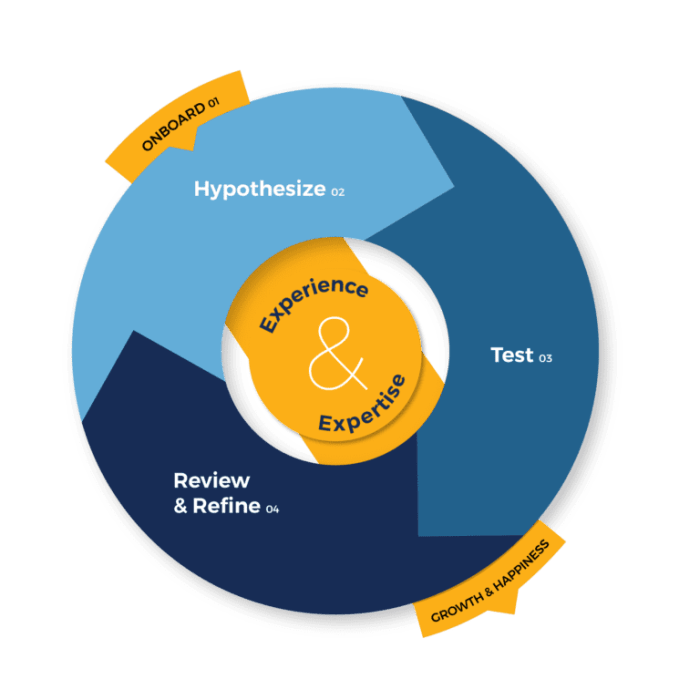
In the dynamic landscape of digital marketing, the journey of optimizing conversion rates is never truly complete. Continuous improvement and iteration are paramount strategies that enable businesses to adapt to changing user behaviors, preferences, and technological advancements. A steadfast commitment to these principles fosters an environment where data-driven decisions lead to sustainable growth and enhanced user experiences.The process of continuous testing and iteration is essential for refining optimization strategies.
As market conditions fluctuate and user insights evolve, businesses must remain proactive in their approach to testing various elements of their websites and user interfaces. Implementing a systematic approach to ongoing optimization not only enhances performance but also ensures that the insights gained from one phase are integrated into subsequent efforts.
Methods for Ongoing Optimization Strategy
Establishing a robust ongoing optimization strategy involves several key practices that facilitate continuous improvement. These methods ensure that changes are documented, evaluated, and refined over time:
- Regular Performance Reviews: Conduct frequent assessments of website performance metrics, such as conversion rates, bounce rates, and user engagement levels. This allows teams to identify areas needing attention and prioritize optimization efforts accordingly.
- Version Control Systems: Utilize version control for website changes. This practice enables teams to keep detailed records of modifications, making it easier to revert to previous versions if new changes do not yield the desired results.
- Scheduled A/B Testing: Plan ongoing A/B tests for various elements, such as headlines, images, and CTAs. This ensures that testing is part of a regular cycle, allowing for continual data collection and analysis.
- User Feedback Mechanisms: Implement tools for gathering user feedback, such as surveys or feedback forms. Understanding user sentiments can guide future iterations and highlight areas for improvement.
Evaluating Success of Optimization Efforts, Conversion Rate Optimization
Evaluating the effectiveness of optimization efforts over time is crucial for understanding what strategies are working and which ones require adjustments. Analyzing success involves a combination of qualitative and quantitative measures:
- Key Performance Indicators (KPIs): Establish clear KPIs that align with overall business goals. Common KPIs for conversion optimization include customer acquisition cost, average order value, and return on investment. Consistently monitor these metrics to assess the impact of optimization initiatives.
- Long-Term Trends Analysis: Instead of focusing solely on short-term results, analyze long-term trends to determine the sustainability of improvements. This perspective provides insights into whether changes have a lasting effect on user behavior.
- Segmentation Analysis: Segment data by user demographics or behavior to gain deeper insights into how different groups respond to changes. This can help refine targeting and personalization strategies further.
- Benchmarking Against Competitors: Regularly compare your performance metrics against industry standards or competitors. This can provide context for evaluating success and reveal additional opportunities for improvement.
Final Conclusion
In conclusion, embracing Conversion Rate Optimization not only enhances the user experience but also drives tangible business results. By implementing the strategies discussed, organizations can create a more engaging online environment that encourages conversions and builds lasting customer relationships. Continuous improvement and personalization remain key to sustaining success in this dynamic digital landscape.
Popular Questions
What is a good conversion rate?
A good conversion rate typically ranges between 2% to 5%, depending on the industry and the specific goals of the business.
How long does it take to see results from optimization efforts?
Results from Conversion Rate Optimization can often be seen within a few weeks, but significant changes may take several months depending on the strategies employed.
Can I optimize my conversion rate without a lot of traffic?
Yes, even with low traffic, you can implement optimization strategies to improve the user experience, which can lead to higher conversion rates over time.
Is A/B testing necessary for Conversion Rate Optimization?
A/B testing is a valuable tool for Conversion Rate Optimization, as it helps identify which changes yield better results, but it is not strictly necessary for all optimization efforts.
How often should I revisit my conversion optimization strategies?
It is advisable to regularly revisit your optimization strategies, at least quarterly, to ensure they remain effective as user behavior and market conditions change.