Customer Retention Strategies for Business Success
Customer Retention Strategies are essential for any business seeking long-term success and sustainability in a competitive market. These strategies focus on building lasting relationships with customers, ensuring that they continue to engage with and purchase from a brand rather than seeking alternatives. By understanding the importance of retaining customers, businesses can enhance profitability and foster loyalty, ultimately leading to a stronger market presence.
In this overview, we will explore various effective strategies and methods that empower organizations to understand their customers better, personalize experiences, and overcome challenges in retention. By implementing these insights, companies can cultivate an environment that not only attracts new clients but also cherishes and retains existing ones.
Importance of Customer Retention
Customer retention is a critical element in the growth and success of any business. It encompasses the strategies and practices employed to maintain existing customers, ensuring their loyalty and continued engagement. Retaining customers not only enhances profitability but also builds a strong brand reputation, fostering an environment of trust and satisfaction.A significant body of research illustrates the profound impact of customer retention on a company’s profitability.
Studies show that increasing customer retention rates by just 5% can lead to an increase in profits of anywhere from 25% to 95%. This correlation highlights the substantial return on investment businesses can achieve by focusing on their existing clientele rather than solely seeking new customers. For instance, a study conducted by Bain & Company found that loyal customers are worth up to ten times as much as their first purchase.
Successful Examples of Customer Retention
Several prominent companies have effectively harnessed the power of customer retention, demonstrating its significance through their business models and strategies.
- Amazon: The retail giant has successfully created a loyalty program known as Amazon Prime, which offers various benefits such as free shipping, exclusive deals, and access to streaming services. This initiative not only encourages repeat purchases but also enhances customer satisfaction, resulting in a substantial increase in retention rates.
- Apple: Apple’s ecosystem, which includes products like the iPhone, iPad, Apple Watch, and services like Apple Music and iCloud, exemplifies customer retention through seamless integration. The brand’s focus on user experience and product quality fosters strong loyalty among its customer base, significantly contributing to repeat purchases and long-term engagement.
- Starbucks: The Starbucks Rewards program incentivizes repeat visits by offering points for purchases, which can be redeemed for free items. This strategy creates a sense of belonging and appreciation among customers, effectively increasing retention and driving revenue growth.
The success of these companies underscores the importance of implementing effective customer retention strategies. By prioritizing customer relationships, businesses can improve their overall performance and sustain long-term growth.
Effective Customer Retention Strategies
Customer retention is a critical aspect of business success, as it focuses on maintaining a satisfied customer base that contributes to ongoing revenue. To enhance customer loyalty, businesses can implement a variety of proven strategies that cater to the needs and preferences of their clientele. By adopting these strategies, organizations can foster long-term relationships that are beneficial for both parties involved.
Proven Strategies for Retaining Customers
Implementing effective customer retention strategies is essential for sustaining business growth. Below are five proven strategies that can significantly enhance customer retention:
- Personalized Communication: Tailoring communication to meet individual customer preferences can greatly impact retention. By utilizing customer data to send personalized emails, offers, and recommendations, businesses can create a more engaging experience.
- Exceptional Customer Service: Providing outstanding customer support is crucial. This includes training staff to handle inquiries professionally and efficiently, ensuring customers feel valued and understood.
- Loyalty Programs: Establishing a well-structured loyalty program encourages repeat purchases by rewarding customers for their continued patronage. These programs can include points systems, discounts, and exclusive offers.
- Feedback Mechanisms: Actively seeking customer feedback and acting on it demonstrates that a business values its customers’ opinions. This can involve surveys, suggestion boxes, or direct outreach efforts.
- Consistent Engagement: Regularly engaging with customers through newsletters, social media, or community events helps maintain a connection and keeps the brand top-of-mind for customers.
Comparison of Customer Retention Strategies
Understanding which strategies are most effective can guide businesses in their retention efforts. The following table compares the effectiveness of various customer retention strategies based on key metrics:
| Strategy | Customer Satisfaction | Cost-Effectiveness | Implementation Time |
|---|---|---|---|
| Personalized Communication | High | Moderate | Short |
| Exceptional Customer Service | Very High | High | Medium |
| Loyalty Programs | High | Moderate | Medium |
| Feedback Mechanisms | Moderate | Low | Short |
| Consistent Engagement | High | Moderate | Ongoing |
Implementation of a Customer Loyalty Program
Launching a successful customer loyalty program involves several key steps that ensure its effectiveness and appeal to customers. The following Artikels the process to create and implement such a program:
1. Define Program Goals
Establish what the business aims to achieve with the loyalty program, whether it’s increasing repeat purchases, enhancing customer satisfaction, or gaining insights into customer behavior.
2. Identify Target Audience
Understand who the program is aimed at. Segment customers based on their purchasing habits and preferences to tailor the program accordingly.
3. Choose Reward Structure
Select an appropriate reward system that resonates with customers. Options can include a points-based system, tiered rewards, or cashback incentives.
4. Set Up Technology and Tools
Utilize software or platforms that facilitate the management of the loyalty program, such as customer relationship management (CRM) systems or loyalty program applications.
5. Market the Program
Promote the loyalty program through various channels. This can include email campaigns, social media promotions, and in-store advertising to ensure customers are aware of the benefits.
6. Monitor and Adapt
Continuously assess the program’s performance and gather customer feedback to make necessary adjustments, ensuring it remains appealing and effective.
Implementing these strategies creates a strong foundation for customer loyalty, which is essential for sustaining long-term business success.
Understanding Customer Needs and Preferences
In today’s competitive market, understanding customer needs and preferences is essential for building long-lasting relationships and ensuring customer loyalty. By effectively gathering insights into what customers value, businesses can tailor their offerings and enhance customer satisfaction. This segment focuses on methods for collecting customer feedback, analyzing customer data, and personalizing interactions based on this information.
Methods for Gathering Customer Feedback and Insights
Gathering customer feedback is crucial for understanding their needs and preferences. There are several effective methods that businesses can employ:
- Surveys and Questionnaires: Regularly conducting surveys allows businesses to collect direct feedback from customers regarding their experiences, preferences, and areas for improvement. This can be done through online forms or during in-person interactions.
- Focus Groups: Engaging a small group of customers in discussions about their preferences and expectations can provide deeper insights. Focus groups encourage open dialogue and can reveal nuances that surveys might miss.
- Customer Interviews: One-on-one interviews can provide in-depth information about customer experiences and preferences. This method allows for detailed exploration of customer thoughts and feelings.
- Social Media Listening: Monitoring social media platforms for mentions of the brand can help gather unfiltered opinions and sentiments from customers. This real-time feedback can be invaluable in understanding customer perceptions.
Analyzing Customer Data to Identify Needs and Preferences
Analyzing customer data is essential for translating feedback into actionable insights. Businesses can utilize various analytical techniques to uncover trends and patterns that reflect customer needs:
- Segmentation Analysis: By categorizing customers based on demographics, purchasing behavior, and feedback, businesses can identify distinct groups with specific needs and preferences, allowing for targeted marketing strategies.
- Data Mining: Employing data mining techniques can help uncover hidden patterns in customer behavior. Through algorithms and statistical methods, businesses can analyze large datasets to identify trends that inform decision-making.
- Customer Journey Mapping: Understanding the customer journey helps identify pain points and moments of delight. By mapping out each customer interaction, businesses can pinpoint where adjustments can be made to enhance the overall experience.
Techniques for Personalizing Customer Interactions Based on Data Insights
Personalization is key to enhancing customer relationships and loyalty. Utilizing insights gained from customer data analysis can significantly improve the relevance of interactions:
- Tailored Marketing Campaigns: Using customer segments, businesses can create personalized marketing messages that resonate with individual preferences, increasing engagement and conversion rates.
- Recommendation Engines: Implementing advanced algorithms that suggest products or services based on past purchases or browsing behavior can enhance the shopping experience and drive sales.
- Customized Communication: Personalizing emails, notifications, and customer service interactions based on previous interactions and preferences can make customers feel valued and understood.
- Feedback Follow-Up: Engaging customers after they provide feedback demonstrates that their opinions matter. Businesses can personalize follow-up communications by referencing specific feedback, reinforcing the relationship.
Building Strong Customer Relationships
Establishing strong customer relationships is crucial for fostering loyalty and encouraging repeat business. This involves creating an environment where customers feel valued and understood, leading to long-term engagement and satisfaction. Companies that invest in building relationships with their customers often see a notable increase in retention rates and overall business performance.Key elements that contribute to building long-lasting customer relationships include trust, communication, and personalized service.
A comprehensive approach to your online presence begins with effective Social Media Marketing. By crafting tailored content for various social platforms, you can connect meaningfully with your audience. Complementing these efforts with professional SEO Services ensures that your brand gains the visibility it deserves, driving traffic to your website and fostering customer loyalty.
Each of these components plays a vital role in ensuring that customers remain engaged with a brand over time.
Key Elements of Strong Customer Relationships
To cultivate strong customer relationships, businesses must focus on several essential elements. These elements create a framework for enhancing customer engagement and ensuring satisfaction:
- Trust: Establishing trust is fundamental. Customers are more likely to remain loyal to brands that demonstrate reliability, transparency, and integrity.
- Effective Communication: Maintaining clear and open lines of communication helps customers feel heard and appreciated. Regular updates, newsletters, and feedback solicitation are effective strategies.
- Personalization: Tailoring experiences and communications to meet individual customer preferences fosters a sense of connection and relevance. This can include personalized marketing and recommendations based on past behavior.
- Customer Support: Providing exceptional customer service, including quick resolutions to issues, enhances overall satisfaction and reinforces customer loyalty.
- Consistency: Consistently delivering quality products and services reinforces customer expectations and builds long-term trust.
Successful Customer Relationship Management Practices
Many companies exemplify successful customer relationship practices that have significantly improved their customer retention and satisfaction levels. These examples highlight effective strategies that others can emulate:
- Amazon: Through personalized recommendations and seamless customer service, Amazon has built a strong customer base that keeps returning for more, showcasing the importance of understanding customer preferences.
- Zappos: Zappos is renowned for its exceptional customer service. Their commitment to going above and beyond for customers, such as offering free shipping and a 365-day return policy, creates a loyal customer base.
- Starbucks: The Starbucks Rewards program is a prime example of personalization and engagement. By offering rewards for purchases, the company fosters a sense of community and value among its customers.
The Role of Communication in Maintaining Customer Relationships
Effective communication is a cornerstone of strong customer relationships. It ensures that customers feel valued and informed, thereby enhancing their overall experience. The importance of communication encompasses several aspects:
- Proactive Engagement: Regularly reaching out to customers with offers, updates, and content relevant to their interests keeps them engaged and informed.
- Feedback Mechanisms: Implementing surveys and feedback forms allows businesses to gain insights into customer satisfaction and areas for improvement, demonstrating that customer opinions matter.
- Multichannel Approaches: Utilizing various communication channels, such as email, social media, and chat support, ensures customers can reach out in their preferred manner, thereby enhancing the overall experience.
- Empathy in Communication: Demonstrating understanding and empathy in interactions, especially when addressing issues, helps in building trust and loyalty.
Strong customer relationships are built on a foundation of trust, effective communication, and a genuine understanding of customer needs.
In today’s digital landscape, utilizing effective SEO Services is essential for enhancing your website’s visibility. By optimizing your content and improving search engine rankings, you can attract more visitors and potential customers. Additionally, integrating these strategies with targeted Social Media Marketing efforts can further amplify your brand’s reach, engaging your audience on multiple platforms for better overall results.
Measuring Customer Retention Success
Measuring customer retention success is critical for any business striving to maintain a loyal customer base and ensure long-term profitability. By identifying and analyzing specific metrics, organizations can gain insight into the effectiveness of their retention strategies and make informed decisions to enhance customer loyalty.Key performance indicators (KPIs) are vital in evaluating customer retention success. These metrics help businesses understand how well they are keeping their customers engaged and satisfied.
Key Performance Indicators for Customer Retention
The selection of appropriate KPIs is essential for accurately assessing customer retention. The following list highlights commonly used KPIs in this area:
- Customer Retention Rate (CRR): The percentage of customers that a company retains over a specific period.
- Churn Rate: The rate at which customers stop doing business with an entity over a given timeframe.
- Customer Lifetime Value (CLV): The total revenue a business can expect from a single customer account throughout the business relationship.
- Repeat Purchase Rate: The percentage of customers who make more than one purchase within a specific period.
- Net Promoter Score (NPS): A metric that measures customer loyalty and satisfaction based on their likelihood to recommend the business to others.
Tools and Methods for Tracking Customer Retention Metrics
To effectively measure these KPIs, organizations can utilize various tools and methods. Below is a table outlining these resources:
| Tool/Method | Description |
|---|---|
| CRM Software | Customer Relationship Management systems help track customer interactions, purchases, and behaviors. |
| Analytics Platforms | Tools like Google Analytics offer insights into customer behavior and retention metrics through website and app tracking. |
| Email Marketing Software | Platforms like Mailchimp analyze customer engagement with email campaigns, aiding in measuring retention impacts. |
| Surveys and Feedback Tools | Tools such as SurveyMonkey gauge customer satisfaction and loyalty, providing qualitative data on retention efforts. |
| Social Media Monitoring Tools | Platforms such as Hootsuite track customer interactions on social media, reflecting customer sentiment and retention trends. |
Analyzing Retention Data to Improve Strategies
Analyzing retention data involves examining the collected metrics to derive actionable insights that can inform and enhance retention strategies. This process requires a systematic approach to interpreting the data.Understanding patterns in customer behavior is crucial. By identifying segments of customers who exhibit lower retention rates, businesses can tailor their engagement strategies accordingly. For instance, if data reveals that first-time buyers are less likely to return, targeted follow-up communications can be employed to encourage repeat purchases.
“Data-driven insights allow businesses to pivot their strategies effectively, ensuring that resources are allocated towards the most impactful retention efforts.”
Additionally, regularly reviewing and updating retention strategies based on data analysis ensures that companies remain responsive to evolving customer preferences and market dynamics. For example, if customers express dissatisfaction through feedback tools, immediate improvements can be made to product offerings or service delivery.By continuously measuring customer retention success through these KPIs, employing suitable tools and methods, and analyzing the resulting data, organizations can create a robust framework that not only retains existing customers but also fosters a culture of loyalty and satisfaction.
Challenges in Customer Retention

In today’s competitive market, businesses face numerous hurdles when it comes to retaining customers. Understanding these challenges is crucial for developing effective strategies that not only keep customers satisfied but also foster long-term loyalty. As consumer preferences continue to evolve, organizations must remain vigilant and adaptable to address the complexities of customer retention.One of the most significant challenges in customer retention is the ever-changing expectations of customers.
With advancements in technology and increased access to information, customers are more informed than ever before, leading to higher standards for service and product quality. Additionally, businesses often struggle with maintaining consistent communication and engagement across various channels, which can lead to customer dissatisfaction.
Common Challenges in Customer Retention, Customer Retention Strategies
Several specific challenges can hinder customer retention efforts. Acknowledging and addressing these challenges is essential for creating a customer-centric culture within any organization. The following points highlight the key challenges faced by businesses:
- Inconsistent Customer Experience: Customers expect a seamless experience across all touchpoints. Inconsistencies in service delivery can lead to frustration and disengagement.
- Failure to Understand Customer Needs: Not fully comprehending customer preferences and behaviors can result in missed opportunities for personalized engagement.
- High Competition: As new entrants continuously disrupt markets, retaining customers becomes increasingly challenging, as they have numerous alternatives readily available.
- Neglecting Feedback: Ignoring customer feedback can alienate customers and hinder improvements that could enhance satisfaction and loyalty.
- Lack of Customer Engagement: A failure to actively engage with customers can lead to feelings of being undervalued, prompting them to seek alternatives.
Solutions and Best Practices
To effectively tackle the challenges associated with customer retention, businesses can implement various solutions and best practices that foster loyalty and satisfaction. The following strategies can guide organizations in overcoming these hurdles:
- Enhance Communication: Establish clear communication channels and regularly engage with customers through personalized messages, updates, and feedback requests.
- Leverage Data Analytics: Utilize data analytics to gain insights into customer behaviors and preferences, allowing for tailored marketing strategies and offerings.
- Implement Customer Feedback Mechanisms: Create systematic approaches for collecting and analyzing customer feedback to drive improvements and showcase that customer opinions matter.
- Consistency in Service Delivery: Ensure that all customer interactions align with the brand’s values and standards to provide a cohesive experience.
- Cultivate a Customer-Centric Culture: Encourage employees to prioritize customer satisfaction, fostering an environment where every team member understands their role in retention efforts.
Importance of Adapting Strategies to Changing Customer Expectations
Adapting to the evolving expectations of customers is critical for sustained retention. As market dynamics shift, so do the desires and needs of consumers. Organizations that proactively monitor and adjust their strategies will not only improve retention rates but also enhance their overall market position. Implementing a feedback loop that integrates customer insights into strategic planning allows businesses to remain relevant and responsive.
For example, companies like Amazon continuously evolve their user interfaces and service offerings based on customer behavior, maintaining their competitive advantage. The significance of staying ahead of customer expectations cannot be overstated; it is a fundamental aspect of ensuring long-term success in customer retention strategies.
The Role of Technology in Customer Retention: Customer Retention Strategies

In today’s rapidly evolving business landscape, technology has become a pivotal element in enhancing customer retention strategies. Organizations leverage various technological advancements to create personalized experiences, streamline communication, and foster loyalty among their customer base. The integration of technology not only improves operational efficiency but also enables businesses to better understand and respond to customer needs.Technology enhances customer retention efforts through automation, data analysis, and improved communication.
By utilizing customer relationship management (CRM) systems, businesses can gather comprehensive data on customer interactions, preferences, and behaviors. This data serves as a foundation for tailoring marketing efforts, ensuring that customers receive relevant offers and communications. Moreover, technology facilitates seamless interactions across multiple platforms, offering customers the convenience they seek in their purchasing journey.
Tools and Software that Aid in Customer Retention Strategies
Numerous tools and software are available to assist businesses in implementing effective customer retention strategies. These technologies provide insights into customer behavior, automate communication, and enhance personalization.
Customer Relationship Management (CRM) Systems
Platforms like Salesforce and HubSpot help businesses track customer interactions and manage relationships, enabling personalized communication and follow-up.
Email Marketing Software
Tools such as Mailchimp and Constant Contact allow businesses to segment their audience and send targeted email campaigns, fostering engagement and loyalty.
Loyalty Program Software
Applications like Smile.io and LoyaltyLion help businesses create and manage loyalty programs, incentivizing repeat purchases and customer retention.
Chatbots and AI Customer Service
Implementing chatbots through platforms like Drift or Intercom provides customers with immediate assistance, enhancing their experience and satisfaction.
Customer Feedback Tools
Solutions like SurveyMonkey and Qualtrics enable businesses to gather customer feedback, allowing for continuous improvement based on customer insights.The integration of these technologies can significantly enhance customer retention strategies by enabling personalized interactions, streamlining communication, and fostering deeper relationships with customers.
Innovative Technology Applications in Customer Retention
Many businesses are embracing innovative technology applications to elevate their customer retention efforts. These examples showcase how technology is utilized to create unique customer experiences.One notable application is the use of Artificial Intelligence (AI) to analyze customer data and predict future behaviors. For instance, Amazon utilizes AI algorithms to recommend products based on previous purchases and browsing history, leading to increased sales and customer loyalty.Another innovative example is Augmented Reality (AR), which brands like IKEA use to create immersive shopping experiences.
Customers can visualize how furniture would look in their homes before making a purchase, enhancing satisfaction and reducing return rates.Mobile applications also play a critical role in customer retention. For example, Starbucks’ mobile app offers rewards, personalized offers, and a convenient ordering process, encouraging repeat visits and fostering loyalty.By leveraging such technology applications, companies not only enhance customer experiences but also drive loyalty and retention, ensuring sustained business growth.
Customer Retention in Different Industries
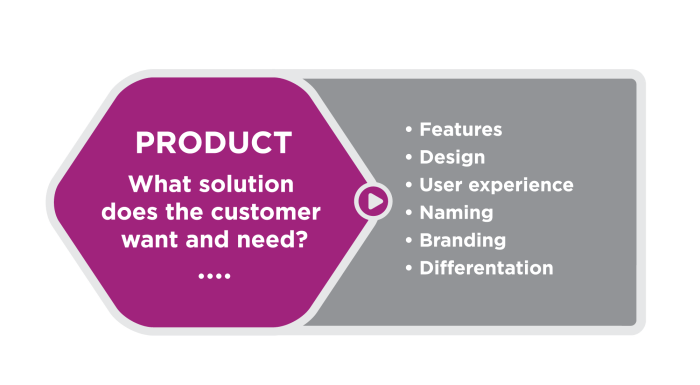
The strategies employed for customer retention can vary significantly across different industries due to distinct customer expectations, market dynamics, and service delivery models. This section explores the various approaches industries such as retail, services, and technology take towards customer retention. By examining industry leaders and their effective strategies, we gain insights into the specific challenges faced and the solutions implemented to foster loyalty and improve retention rates.
Comparison of Customer Retention Strategies
Different industries adopt unique customer retention strategies tailored to their specific needs and customer behaviors. Understanding these differences is vital for companies aiming to enhance their retention efforts. Below are the primary strategies utilized across several key industries:
- Retail: Retail companies often focus on loyalty programs, personalized promotions, and exceptional customer service. For instance, leading retailers like Sephora use a tiered loyalty program that rewards customers based on spending, encouraging repeat purchases while offering exclusive benefits.
- Service Industry: In service-oriented sectors, such as hospitality, the creation of memorable customer experiences is paramount. Companies like Marriott employ personalized guest services and loyalty memberships, providing exclusive perks that drive repeat business.
- Technology: Tech companies often optimize customer retention through subscription models and continuous engagement. For example, Adobe has transitioned to a subscription-based model for its software, ensuring consistent customer interaction and satisfaction while providing ongoing updates and support.
Case Studies of Effective Retention Strategies
Examining case studies of industry leaders reveals actionable insights into effective customer retention strategies. These examples highlight the role of innovation and customer-centered approaches:
- Amazon: Known for its customer-centric philosophy, Amazon utilizes data analytics to personalize shopping experiences. Their Prime membership program not only provides free shipping but also offers a plethora of services, from streaming to exclusive deals, thus enhancing customer loyalty.
- Starbucks: The Starbucks Rewards program exemplifies effective retention in the food and beverage sector. By offering rewards for purchases via a mobile app, Starbucks fosters a community of loyal customers who regularly engage with the brand through personalized offers and easy ordering.
- Netflix: As a leader in entertainment, Netflix employs aggressive content personalization strategies powered by sophisticated algorithms to retain subscribers. The platform invests heavily in original content, catering directly to viewer preferences, which keeps engagement high and churn rates low.
Industry-Specific Challenges and Solutions
While that each industry has its unique strengths in customer retention, they also face distinctive challenges that require tailored solutions. Below are common challenges paired with effective strategies to overcome them:
- Retail Challenges: High competition and price sensitivity are significant hurdles. Retailers can combat this by enhancing customer service and creating a unique shopping experience that differentiates them from competitors.
- Service Industry Challenges: Inconsistencies in service delivery can lead to customer dissatisfaction. Implementing robust training programs and feedback mechanisms can help ensure service quality remains high across all customer interactions.
- Technology Challenges: Rapid technological advancements can lead to customer churn due to constant changes in user expectations. Companies must remain agile, investing in customer feedback loops and regular updates to ensure their offerings remain relevant and satisfactory.
Summary
In conclusion, the implementation of robust Customer Retention Strategies is pivotal for organizations aiming to thrive in today’s dynamic landscape. By prioritizing customer needs, leveraging technology, and nurturing relationships, businesses can effectively address the challenges of retention and enhance their overall performance. As we have discussed, a commitment to understanding and valuing customers can pave the way for sustained growth and success.
FAQ
What is customer retention?
Customer retention refers to the ability of a company to keep its customers over time, minimizing churn and encouraging repeat business.
Why is customer retention important?
Customer retention is crucial because it is generally more cost-effective to retain existing customers than to acquire new ones, and loyal customers often generate higher revenue.
How can businesses measure customer retention?
Businesses can measure customer retention using key performance indicators (KPIs) such as customer lifetime value, retention rate, and churn rate.
What are some common challenges in customer retention?
Common challenges include changing customer expectations, increased competition, and ineffective communication strategies.
How can technology assist in customer retention?
Technology can enhance customer retention through tools that facilitate personalized communication, customer feedback collection, and data analytics.