Mobile Marketing Solutions for Effective Engagement
Mobile Marketing Solutions offer businesses the opportunity to connect with their audience more effectively than ever before. As the digital landscape continues to evolve, mobile marketing has emerged as a crucial strategy for engaging consumers where they spend the majority of their time—their mobile devices. With statistics showing a remarkable increase in mobile usage, understanding these solutions is essential for any business looking to thrive in today’s competitive market.
This overview will explore the various types of mobile marketing solutions, their significance, and how they can be leveraged to create successful campaigns. By examining mobile advertising strategies, the role of mobile apps, and the effectiveness of SMS and push notifications, we can appreciate the diverse tools available to marketers. Furthermore, we will delve into mobile and analytics, offering insights into measuring success in this dynamic field.
Overview of Mobile Marketing Solutions
Mobile marketing solutions encompass a range of strategies and techniques aimed at reaching consumers through their mobile devices. In an era where smartphones have become ubiquitous, mobile marketing has emerged as a crucial component of any comprehensive digital marketing strategy. It allows businesses to engage with their target audience in a personalized manner, leveraging the convenience and functionality of mobile technology.The importance of mobile marketing in today’s digital landscape cannot be overstated.
With increasing smartphone penetration and consumers spending a significant amount of time on mobile devices, brands must adapt their marketing efforts to align with mobile usage trends. Mobile marketing not only enhances customer engagement but also improves conversion rates, as it facilitates immediate access to products and services. According to a report from Statista, mobile advertising revenue worldwide is projected to reach approximately $495 billion by 2024, highlighting the growing significance of mobile marketing strategies for businesses.
Growth of Mobile Marketing, Mobile Marketing Solutions
The growth of mobile marketing is driven by various factors, including the rapid adoption of smartphones, the rise of mobile applications, and the increasing importance of location-based services. The following points illustrate key statistics and trends that underline this growth:
- The number of smartphone users worldwide is expected to reach 7.33 billion by 2023, making up approximately 91% of the global population.
- In 2022, mobile devices accounted for over 58% of all website traffic, emphasizing the need for mobile-optimized content.
- According to eMarketer, mobile ad spending surpassed $200 billion in 2021, illustrating a strong investment trend in mobile marketing.
- Over 70% of consumers report that they prefer receiving promotional messages via SMS, indicating the effectiveness of text message marketing.
These statistics underscore the undeniable shift in consumer behavior towards mobile platforms. Businesses seeking to thrive in a competitive environment must embrace mobile marketing solutions that cater to the evolving preferences of their audience. By harnessing the capabilities of mobile advertising, brands can effectively enhance their reach and optimize their marketing strategies for maximum impact.
Types of Mobile Marketing Solutions
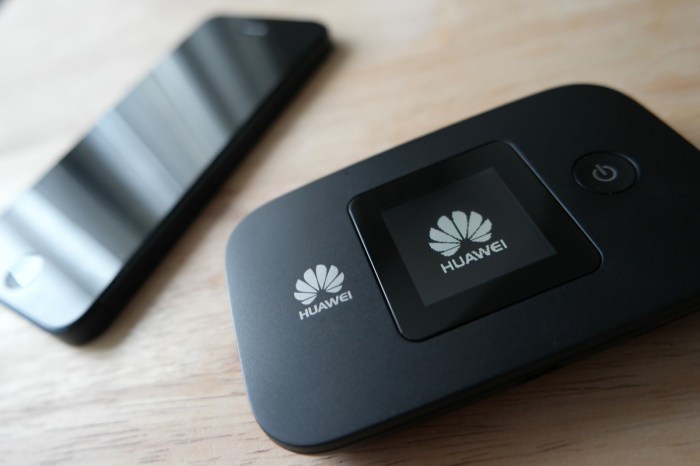
Mobile marketing solutions encompass a diverse range of strategies and technologies designed to engage audiences through their mobile devices. As consumers increasingly rely on smartphones for information and communication, businesses are leveraging mobile marketing to enhance their outreach and engagement efforts. Understanding the types of mobile marketing solutions available is crucial for developing effective advertising strategies that resonate with target audiences.Different mobile marketing approaches cater to various business needs and consumer preferences.
Each solution has unique characteristics, applications, and effectiveness in engaging potential customers. Below are the primary types of mobile marketing solutions along with notable examples and an analysis of their strengths and weaknesses.
SMS and MMS Marketing
SMS (Short Message Service) and MMS (Multimedia Messaging Service) marketing involve sending promotional messages directly to consumers’ mobile phones. This method is particularly effective due to its high open rates and immediate delivery.
Example
For businesses aiming to thrive, investing in Market Research Services can reveal critical aspects of consumer behavior and preferences. This knowledge complements Lead Generation Services , allowing companies to tailor their marketing strategies effectively. By combining these approaches, organizations can significantly enhance their outreach and foster lasting relationships with their clientele.
A well-known fast-food chain utilized SMS marketing to send exclusive coupons to subscribers, resulting in a significant increase in foot traffic and sales during a promotional weekend.
Strengths
High engagement rates, immediate impact, and the ability to reach consumers directly.
Weaknesses
Limited message length for SMS, potential for consumer annoyance if messages are too frequent, and compliance with regulations such as opt-in requirements.
Mobile Apps
Mobile applications serve as platforms for brands to engage users through tailored experiences. Apps can offer functionalities like shopping, games, or loyalty programs, effectively enhancing customer retention.
Example
A popular e-commerce platform developed a mobile app that features personalized recommendations, in-app purchases, and loyalty rewards, leading to increased customer retention and sales growth.
Strengths
Strong brand presence, user engagement through personalized experiences, and the ability to gather data on user preferences and behaviors.
Weaknesses
High development and maintenance costs, potential for low download rates, and the need for regular updates to retain user interest.
Mobile-Optimized Websites
A mobile-optimized website is designed specifically for mobile devices, ensuring an effective user experience. This solution is essential as consumers frequently browse the internet on their smartphones.
Example
A travel agency redesigned its website to be mobile-friendly, resulting in a 50% increase in mobile bookings and improved user satisfaction scores.
Strengths
Improved accessibility for users, enhanced search engine rankings, and a broader audience reach.
Weaknesses
Requires technical expertise for design and optimization, ongoing maintenance is crucial for functionality, and may not provide full capabilities of a dedicated mobile app.
Social Media Marketing
Social media platforms serve as powerful tools for mobile marketing, allowing brands to connect with users through engaging content and advertisements. Platforms such as Instagram, Facebook, and TikTok enable targeted advertising based on user demographics and behaviors.
Example
A fashion brand launched a campaign on Instagram featuring interactive polls and user-generated content, effectively driving brand engagement and sales.
Strengths
High potential for virality, detailed targeting options, and the ability to build community around brands.
Weaknesses
Algorithm changes can impact visibility, requires constant content creation, and may face competition from numerous brands.
Location-Based Marketing
Location-based marketing leverages GPS and location data to send targeted messages to consumers based on their geographical location. This approach can effectively drive foot traffic to physical stores.
Example
A retail chain sent notifications about special offers to nearby customers’ smartphones, significantly increasing in-store visits and conversions during a local event.
Strengths
Highly targeted marketing, immediate relevance based on user location, and the potential to influence spontaneous purchasing decisions.
Weaknesses
Privacy concerns regarding user location data, reliance on users enabling location services, and potential market saturation leading to consumer fatigue.
“Mobile marketing strategies that effectively integrate user behavior with technology can lead to transformative results for brands.”
Mobile Advertising Strategies
Mobile advertising is a powerful tool that allows businesses to reach potential customers directly on their mobile devices. As mobile usage continues to rise, developing effective advertising strategies is essential for engaging users and driving conversions. It is crucial to understand the unique aspects of mobile behavior, including the need for brevity, visual appeal, and timely engagement.Effective mobile advertising strategies encompass a range of techniques tailored to maximize reach and engagement.
Businesses can leverage various formats, including display ads, social media ads, in-app advertisements, and SMS marketing. The choice of strategy depends largely on the target audience and the specific goals of the campaign.
Designing a Mobile Advertisement Campaign for a Specific Product
Creating a mobile advertisement campaign requires a structured approach. For example, consider a new health drink aimed at fitness enthusiasts. The campaign should begin with identifying key demographics, such as age, interests, and behavior patterns. Once the target audience is established, the following elements should be included in the campaign design:
1. Creative Assets
Develop visually appealing graphics or videos that showcase the health drink’s benefits. For instance, an image could depict vibrant fruits or a person enjoying the drink post-workout, emphasizing its freshness and health advantages.
2. Platform Selection
Choose platforms where the target audience is most active. Social media platforms like Instagram or fitness apps could be ideal for reaching fitness enthusiasts.
3. Call-to-Action (CTA)
Include a strong, clear CTA encouraging users to try the drink, such as “Order Now and Get 20% Off Your First Purchase!”
4. Ad Formats
Utilize a mix of ad formats, such as stories, carousel ads, and in-feed ads, to engage users in different ways.
5. Tracking and Optimization
Implement tracking mechanisms to measure the effectiveness of the ads in real-time. Analyze data to understand which ads perform best and optimize accordingly.
Best Practices for Optimizing Mobile Ads for Maximum Engagement
To ensure maximum engagement with mobile ads, several best practices should be employed. These practices focus on enhancing user experience and encouraging interaction.
1. Responsive Design
Ads should be designed to adapt to various screen sizes, ensuring that they look great on any device.
2. Concise Messaging
Given the limited screen space, it is essential to deliver a clear and concise message. Use short phrases and impactful visuals to convey the primary benefit quickly.
3. A/B Testing
Conduct A/B testing to compare different versions of ads. This can help identify which elements resonate most with the audience, such as varying images, headlines, or CTAs.
4. Location Targeting
Use geolocation data to send targeted ads to users based on their physical location, making the ads more relevant and timely.
5. Engaging Formats
Incorporate interactive elements, such as polls or quizzes, to capture attention and encourage engagement.
6. Frequency Management
Avoid overwhelming users by managing ad frequency. Show ads at optimal intervals to ensure they remain memorable without becoming intrusive.
“Effective mobile advertising requires a strategic approach that combines creativity with data-driven insights to engage users meaningfully.”
Role of Mobile Apps in Marketing
Mobile applications have become an integral component of modern marketing strategies, enabling businesses to engage with consumers on a personal level. The significance of mobile apps in marketing lies in their ability to provide a seamless experience, cater to user preferences, and facilitate direct communication with customers. As mobile device usage continues to rise, the importance of leveraging mobile applications to enhance brand visibility and customer loyalty cannot be overstated.Mobile apps serve as powerful tools for businesses, offering various functionalities that can significantly boost user engagement and retention.
By creating a direct channel for interaction, companies can deliver personalized content, offers, and services tailored to individual user preferences. This level of customization fosters a deeper connection with users, ultimately driving brand loyalty and encouraging repeat business.
Features that Enhance User Engagement in Mobile Apps
Incorporating specific features into mobile applications is crucial for enhancing user engagement and ensuring a positive user experience. The following features can significantly contribute to this goal:
- Push Notifications: These timely alerts keep users informed about new content, updates, promotions, or reminders, encouraging them to return to the app.
- User-Friendly Interface: A clean, intuitive design enhances navigation, making it easier for users to find what they need quickly.
- Personalization: Tailoring the app experience based on user behavior and preferences fosters a sense of connection and relevance.
- Social Sharing: Enabling users to share content or achievements on social media can enhance visibility and attract new users.
- Gamification: Integrating game-like elements, such as rewards or challenges, can motivate users to engage more actively with the app.
- In-App Messaging: Allowing users to communicate directly with customer service or receive support within the app can improve satisfaction and trust.
Integrating Marketing Tools into Mobile Applications
The integration of marketing tools within mobile applications is essential for tracking user behavior, managing campaigns, and optimizing user engagement. The following steps Artikel the process of effectively integrating these tools:
1. Define Objectives
Clearly Artikel your marketing goals and the metrics you wish to track, such as user acquisition, retention rates, and engagement levels.
2. Choose Appropriate Tools
Select marketing tools that align with your objectives. Options may include analytics platforms, customer relationship management (CRM) systems, and email marketing software.
3. API Integration
Most marketing tools offer APIs (Application Programming Interfaces) that allow for seamless integration with your mobile app. This ensures data flows smoothly between the app and the marketing platform.
4. Implement Tracking Codes
Embed tracking codes within the app to monitor user interactions and gather valuable data for analysis. This may include event tracking for specific actions taken by users.
5. Test Functionality
Conduct thorough testing to ensure all marketing tools are functioning correctly and that data is being accurately captured.
6. Analyze and Optimize
Regularly analyze the collected data to understand user behavior and optimize marketing strategies accordingly, ensuring continuous improvement in user engagement.By understanding the vital role of mobile apps in marketing and implementing strategic features and tools, businesses can create meaningful connections with their customers, enhance brand awareness, and drive long-term success.
SMS and Push Notifications

In the dynamic landscape of mobile marketing, SMS and push notifications have emerged as powerful tools for engaging consumers directly on their devices. These channels allow businesses to communicate timely and relevant information, creating opportunities for increased customer interaction and loyalty. Leveraging SMS and push notifications effectively can significantly enhance marketing strategies, driving both engagement and conversions.The benefits of using SMS and push notifications as marketing tools are manifold.
They offer immediacy, with messages being delivered directly to consumers’ mobile devices in real-time. This leads to higher open rates compared to other forms of communication, such as emails. Furthermore, they enable businesses to reach their audience in a concise manner, making it easier to convey essential messages without overwhelming the recipient with excessive information. Both channels also foster a sense of urgency, prompting consumers to take immediate action, which is particularly beneficial during promotional campaigns or events.
Guidelines for Crafting Effective SMS Marketing Messages
Creating impactful SMS marketing messages requires careful consideration to ensure they resonate with the audience. The following guidelines are essential for crafting such messages:
Be Concise
In today’s competitive landscape, effective Lead Generation Services are essential for businesses seeking to enhance their customer base. These services not only help in identifying potential clients but also streamline the process of converting leads into loyal customers. Additionally, understanding market trends is crucial, and utilizing reliable Market Research Services can provide valuable insights to make informed decisions.
SMS messages have a character limit, so it is crucial to deliver your message clearly and succinctly. Aim for 160 characters or less to ensure complete delivery.
Personalize Content
Address recipients by their names or tailor messages based on their preferences or past interactions to enhance relevance.
Include a Call to Action (CTA)
Encourage recipients to take a specific action, such as visiting a website, redeeming a coupon, or participating in a survey.
Timing is Key
Schedule messages for times when recipients are most likely to engage, considering time zones and typical behaviors.
Compliance and Opt-in
Ensure compliance with regulations such as GDPR or TCPA, and only send messages to individuals who have opted in to receive communications.
Comparison of SMS Marketing Versus Push Notifications
Understanding the distinctions between SMS marketing and push notifications is vital for marketers to determine which channel to utilize for their campaigns. Below is a comparative analysis highlighting key aspects of both methods:
| Feature | SMS Marketing | Push Notifications |
|---|---|---|
| Delivery Method | Text messages sent directly to phone numbers | Messages sent to app-installed devices through push services |
| Reach | Can reach all mobile users with cell service | Limited to users who have installed the app |
| Character Limit | 160 characters generally | No strict limit, but concise messages are preferred |
| Cost | Typically charged per message sent | Usually free for users; costs borne by the app developer |
| User Engagement | High open rates, often above 90% | Varies depending on app usage, but can be lower |
| Personalization | Can include personal names and tailored content | Can be personalized based on user interactions and behavior |
This comparative framework illustrates that while both SMS marketing and push notifications serve the purpose of direct communication, they each possess unique strengths that can be leveraged depending on the marketing objectives and target audience.
Mobile and Its Impact
Mobile is a crucial component of digital marketing, focusing specifically on optimizing websites for mobile devices. As mobile usage continues to rise, it is essential for businesses to adopt mobile strategies to ensure their online visibility. Mobile differs from traditional practices in various ways, including user behavior, ranking factors, and technical requirements.Mobile emphasizes distinct aspects compared to traditional , primarily due to the differences in user intent and behavior on mobile devices.
Users often engage in shorter, more immediate searches through their smartphones, indicating a preference for quick answers and services. Consequently, mobile must prioritize concise content and swift navigation to cater to these behaviors.
Differences Between Mobile and Traditional
The following key factors highlight how mobile diverges from traditional practices:
- User Experience: Mobile prioritizes responsive design and mobile-friendly layouts, ensuring that websites are accessible and easy to use on smaller screens.
- Site Speed: Mobile users expect fast-loading pages. Google considers page speed as a critical ranking factor for mobile searches, unlike traditional desktop-focused metrics.
- Local Search Optimization: Mobile searches often have local intent, necessitating a focus on local strategies, such as optimizing Google My Business listings and local s.
- Voice Search: With the increasing use of voice assistants on mobile devices, optimizing for voice search queries becomes vital, differing from standard text-based search optimization.
Key Factors Influencing Mobile Search Rankings
Several critical factors influence mobile search rankings, necessitating a focused approach to mobile strategies. These include:
- Mobile-First Indexing: Google predominantly uses the mobile version of content for indexing and ranking. Therefore, having a mobile-optimized site is essential.
- Page Speed and Performance: Fast load times significantly impact user experience and, consequently, search rankings. Sites must employ techniques like image optimization and caching to enhance speed.
- Responsive Design: Websites must adapt seamlessly to various screen sizes, ensuring consistent performance across devices, which is a crucial aspect of mobile .
- Technical Elements: Elements such as structured data, proper use of robots.txt, and mobile sitemap optimization play a vital role in how well a site performs in mobile search results.
Techniques for Improving Mobile Site Speed and User Experience
Enhancing mobile site speed and user experience is paramount for effective mobile . The following techniques can significantly improve performance:
- Image Optimization: Compressing images and using appropriate formats (like WebP or JPEG) reduces loading times while maintaining quality.
- Minimizing HTTP Requests: Reducing the number of elements on a page minimizes the number of HTTP requests, speeding up load times.
- Leveraging Browser Caching: Enabling browser caching allows frequently accessed resources to be stored locally, improving load times for returning visitors.
- Utilizing Content Delivery Networks (CDNs): CDNs distribute content across multiple servers globally, reducing latency and speeding up access for users based on their geographic location.
“Mobile is not merely an option; it is a necessity for businesses aiming to capture the growing segment of mobile users.”
Analytics and Measurement in Mobile Marketing

Analytics plays a pivotal role in the success of mobile marketing campaigns. By leveraging data analytics, businesses can gain insights into consumer behavior, campaign performance, and overall effectiveness. This enables marketers to make informed decisions, optimize strategies, and ultimately enhance the return on investment (ROI) from their mobile marketing efforts.The evaluation of mobile marketing success hinges on the ability to measure various performance indicators.
Numerous tools are available to provide actionable insights into mobile campaign performance, helping marketers pinpoint what strategies are working and what areas require improvement. Analytics tools facilitate tracking user engagement, conversion rates, and customer acquisition costs, among other metrics.
Overview of Tools for Measuring Mobile Campaign Performance
A variety of tools are instrumental in measuring the effectiveness of mobile marketing campaigns. Some of the most commonly used analytics tools include:
Google Analytics
A comprehensive tool that tracks website and app performance, providing insights into user behavior, demographics, and acquisition channels.
Mixpanel
Focuses on user engagement and retention analytics, allowing marketers to track specific actions users take within mobile apps.
Firebase
A Google platform that helps in measuring app performance and user engagement while providing insights for app developers to refine user experiences.
App Annie
Offers market data and insights specifically tailored for mobile applications, enabling businesses to evaluate their performance against competitors.The following table summarizes key performance indicators (KPIs) for mobile marketing, providing a clear framework for measuring success:
| Key Performance Indicator (KPI) | Description |
|---|---|
| Conversion Rate | The percentage of users who complete a desired action, such as making a purchase or signing up for a newsletter. |
| Click-Through Rate (CTR) | The ratio of users who click on a specific link to the number of total users who view a page, email, or advertisement. |
| User Retention Rate | The percentage of users who continue to use the app over a specific period, indicating customer loyalty. |
| Customer Acquisition Cost (CAC) | The total cost of acquiring a new customer, calculated by dividing total marketing expenses by the number of new customers acquired. |
| Session Duration | The average length of time users spend in the app during a session, reflecting user engagement. |
| Return on Investment (ROI) | The ratio of net profit generated relative to the cost of the marketing campaign, used to assess the profitability of an investment. |
“Analytics is the compass that guides marketers through the dynamic landscape of mobile marketing, enabling data-driven decisions that lead to success.”
Future Trends in Mobile Marketing
The landscape of mobile marketing is continually evolving, influenced by rapid technological advancements and changing consumer behaviors. As we look towards the future, several emerging trends are set to redefine how brands engage with their audiences through mobile devices. By understanding these trends, marketers can better position themselves to meet the demands of a dynamic marketplace.One of the most significant influences on the future of mobile marketing is the integration of advanced technologies, particularly artificial intelligence (AI) and augmented reality (AR).
These technologies are not only enhancing user experiences but also providing marketers with powerful tools for personalization and engagement.
Impact of AI and AR on Mobile Marketing
The incorporation of AI and AR into mobile marketing strategies is revolutionizing how brands interact with consumers. AI technologies enable marketers to analyze vast amounts of data to gain insights into consumer behavior, allowing for highly targeted campaigns that enhance engagement. For instance, AI algorithms can personalize user experiences in real-time, making recommendations based on individual preferences and past interactions.AR, on the other hand, provides immersive experiences that capture user attention.
By allowing users to visualize products in their own environment, brands can significantly enhance the purchasing experience. For example, furniture retailers have embraced AR by enabling customers to see how a piece of furniture would look in their home before making a purchase decision.The synergy of AI and AR in mobile marketing can lead to several impactful outcomes:
- Enhanced Personalization: AI can tailor marketing messages and offers based on real-time data analysis, resulting in more relevant user experiences.
- Increased Engagement: AR experiences keep users engaged longer, creating memorable interactions that can lead to higher conversion rates.
- Efficient Campaign Management: AI tools can optimize ad placements and budgets, ensuring that marketing efforts reach the right audience at the right time.
Predictions for Mobile Marketing Evolution
Looking ahead, mobile marketing is poised to undergo significant transformations over the next five years. The increasing prevalence of 5G technology will play a crucial role in this evolution, enabling faster and more reliable mobile connectivity. This advancement will facilitate richer media experiences, allowing for the seamless integration of video and AR content in marketing strategies.In addition to 5G, here are key predictions for the future of mobile marketing:
- Greater Emphasis on Voice Search: As voice-activated devices gain popularity, optimizing for voice search will become essential for mobile marketing strategies.
- Rise of Mobile Wallets and Payment Solutions: The convenience of mobile wallets will drive more brands to adopt mobile payment options, making transactions easier for consumers.
- Increased Focus on Data Privacy: With growing concerns over data security, marketers will need to prioritize transparency and consumer trust in their mobile marketing initiatives.
- Utilization of Chatbots: AI-powered chatbots will become more integrated into mobile marketing, providing instant customer support and enhancing user experiences.
The future of mobile marketing is bright and full of potential. Brands that harness emerging technologies and adapt to evolving consumer preferences will be well-positioned to thrive in this ever-changing digital landscape.
Final Wrap-Up: Mobile Marketing Solutions
In conclusion, the discussion surrounding Mobile Marketing Solutions highlights the necessity of adapting to the ever-changing digital environment. As technology advances, so do the strategies for reaching consumers, making it imperative for businesses to stay informed about current trends and tools. Embracing these solutions not only enhances customer engagement but also paves the way for innovative marketing opportunities in the future.
Key Questions Answered
What are Mobile Marketing Solutions?
Mobile Marketing Solutions refer to various strategies and tools designed to reach consumers on their mobile devices through channels like apps, SMS, and mobile websites.
Why is mobile marketing important?
Mobile marketing is crucial as it allows businesses to engage with consumers directly on their devices, which are increasingly becoming the primary means of communication and information access.
What are common types of mobile marketing strategies?
Common strategies include mobile apps, SMS marketing, push notifications, mobile advertising, and mobile-friendly websites.
How can I measure the effectiveness of my mobile marketing efforts?
Effectiveness can be measured through analytics tools that track key performance indicators (KPIs) such as engagement rates, conversion rates, and user retention.
What trends should I be aware of in mobile marketing?
Trends include increased use of artificial intelligence, augmented reality, and personalized marketing to enhance user experiences.