Product Launch Strategy Ensuring Success from Start to Finish
Product Launch Strategy is a critical framework that guides businesses in successfully introducing new products to the market. This strategy encompasses a comprehensive approach that integrates various elements, from market research to post-launch evaluation, ensuring that no stone is left unturned in the pursuit of success. By understanding the nuances of each component, companies can better prepare for challenges and capitalize on opportunities during the product launch process.
As the market evolves and consumer preferences shift, having a well-defined product launch strategy becomes imperative. It not only provides clarity and direction but also serves to engage stakeholders and create a buzz around the product, ultimately driving sales and fostering brand loyalty. Through detailed planning and execution, businesses can navigate the complexities of launching a new product and achieve desired outcomes.
Understanding Product Launch Strategy
A product launch strategy is a comprehensive plan that Artikels the approach an organization will take to introduce a new product to the market. It encompasses various elements, including marketing tactics, sales strategies, and timing considerations, all aimed at ensuring the successful introduction and acceptance of the product by the target audience. The significance of a well-crafted product launch strategy cannot be overstated, as it plays a critical role in maximizing market impact, driving initial sales, and establishing brand credibility.A successful product launch strategy comprises several key elements that work in harmony to facilitate a smooth entry into the market.
These elements not only help in outlining the operational framework but also assist in anticipating challenges and opportunities during the launch phase. Some of the primary components include:
Key Elements of a Successful Product Launch Strategy
Understanding the key elements that constitute an effective product launch strategy is vital for any business looking to gain a competitive edge. The following components are essential in shaping a well-rounded approach:
- Clear Objectives: Defining specific, measurable goals for the product launch, such as sales targets and market penetration rates, ensures that the team is aligned and focused.
- Target Audience Identification: Knowing who the potential customers are allows for tailored marketing messages and product features that resonate with their needs and preferences.
- Value Proposition: Articulating a compelling value proposition that highlights the unique benefits of the product distinguishes it from competitors and attracts interest.
- Marketing Communication Plan: An effective plan detailing the channels and tactics to be used for promotion, including social media, email marketing, and public relations, is crucial for generating buzz.
- Sales Strategy: Establishing the sales approach, whether direct sales or partnerships, facilitates the product’s reach to the customer base effectively.
- Feedback Mechanisms: Implementing systems to gather customer feedback post-launch helps refine the product and adjust marketing strategies if necessary.
The role of market research in shaping a product launch strategy is fundamental, as it provides valuable insights into consumer behavior, competitive landscape, and market trends. Conducting thorough market research enables businesses to make informed decisions regarding various aspects of the launch, ensuring alignment with market demands and preferences.
Role of Market Research
Market research serves as the foundation upon which a product launch strategy is built. It informs businesses about what potential customers want, identifies gaps in the market, and assesses the competitive environment. By leveraging data-driven insights, companies can optimize their approach in several ways:
- Identifying Customer Needs: Market research uncovers the specific needs and pain points of the target audience, allowing businesses to tailor their product features accordingly.
- Competitive Analysis: Understanding competitors’ strengths and weaknesses helps businesses position their product effectively, highlighting unique selling points.
- Pricing Strategy: Researching pricing trends and consumer willingness to pay provides valuable guidance in setting competitive yet profitable pricing.
- Testing Concepts: Conducting surveys or focus groups can validate product ideas and marketing messages, reducing the risk of misalignment with customer expectations.
- Market Trends: Awareness of current and emerging trends equips businesses to align their strategies with the evolving landscape of their industry.
Stages of a Product Launch
The successful launch of a product is a complex undertaking that requires meticulous planning and execution across various stages. Each stage plays a crucial role in ensuring that the product not only reaches the market effectively but also resonates with the target audience. A clear understanding of these stages can greatly enhance the chances of a successful product introduction.
The product launch process generally unfolds in three main stages: preparation, execution, and post-launch. Each of these stages encompasses specific activities and milestones that must be carefully managed to maximize the potential for success.
Preparation Stage
Preparation is fundamental to a successful product launch. This stage involves thorough research, strategic planning, and the creation of a robust marketing strategy. Essential activities include:
- Market Research: Conduct comprehensive research to understand customer needs, market trends, and competitive landscape.
- Define Target Audience: Identify and segment the target audience to tailor marketing efforts effectively.
- Product Development: Finalize product features, pricing, and positioning based on market insights.
- Marketing Strategy: Develop a marketing plan that Artikels promotional tactics, channels, and timelines.
- Sales Training: Equip the sales team with the necessary product knowledge and selling techniques.
Execution Stage
Execution is where the planning transforms into action. This stage involves the launch implementation and encompasses key activities to ensure the product reaches the market effectively.
- Launch Event: Organize a launch event or campaign to create buzz and engage potential customers.
- Marketing Launch: Implement marketing campaigns across selected channels, including social media, email, and advertising.
- Sales Rollout: Begin distribution and make the product available to retailers and online platforms.
- Customer Engagement: Engage with customers through feedback mechanisms, social media interactions, and support services.
Post-Launch Stage
The post-launch stage is critical for evaluating the product’s performance and making necessary adjustments. This involves monitoring sales, gathering feedback, and analyzing marketing effectiveness.
- Performance Analysis: Track sales data, customer feedback, and market response to assess product performance.
- Ongoing Marketing Efforts: Adjust and optimize marketing strategies based on performance insights.
- Customer Support: Provide ongoing customer support and address any issues or concerns from users.
- Iterate Product Improvements: Use customer feedback to drive product enhancements and updates.
Incorporating these stages and their respective checklists ensures a well-structured approach to product launches. Each checklist should detail necessary tasks, timelines, and responsible parties, promoting accountability and facilitating smooth transitions between stages.
The product launch timeline can be illustrated as an infographic, showcasing key milestones such as research completion, product development, launch date, and post-launch review intervals. This visual representation helps stakeholders quickly understand progress and priorities at a glance, ultimately leading to more informed decision-making throughout the launch process.
Target Audience and Market Segmentation
Identifying and understanding the target audience is a critical step in any product launch strategy. A well-defined target audience allows for the development of tailored marketing messages, product features, and promotional strategies that resonate with potential customers. Proper market segmentation ensures that businesses can address the specific needs and preferences of various consumer groups, ultimately leading to more successful outcomes.The process of identifying and analyzing target audiences involves several key steps.
Initially, businesses should conduct thorough market research, which can include surveys, interviews, and focus groups to gather insights about consumer preferences and behaviors. Analyzing demographic data, such as age, gender, income level, and geographical location, helps in forming a clearer picture of the audience. Additionally, psychographic factors, including lifestyle, values, and interests, can further refine the target audience profile.
Market Segmentation Methods
Market segmentation is essential for tailoring strategies to different audience segments. The major methods of segmenting the market include:
- Demographic Segmentation: This method divides the market based on age, gender, income, education level, and family size. For instance, a luxury watch brand may target affluent consumers aged 30-50 who value status and quality.
- Geographic Segmentation: This approach segments the market based on geographical boundaries such as countries, regions, or cities. A company launching a winter clothing line may focus on colder regions where demand is higher.
- Psychographic Segmentation: This involves categorizing consumers based on their lifestyles, interests, and values. For example, an eco-friendly product line may target environmentally conscious consumers who prioritize sustainability.
- Behavioral Segmentation: Segmenting based on consumer behaviors, such as purchase frequency, brand loyalty, and product usage. A subscription service may target frequent users with tailored promotional offers to encourage long-term loyalty.
Understanding these segmentation methods is vital to developing targeted marketing strategies that effectively engage each segment’s unique needs and preferences.Engaging the audience during a product launch can significantly influence its success. Effective techniques for audience engagement include:
- Pre-launch Teasers: Creating anticipation through sneak peeks or teasers on social media platforms. For example, Apple often releases cryptic announcements leading up to their product launches to generate buzz.
- Influencer Partnerships: Collaborating with influencers who align with the brand to reach a broader audience. These influencers can create authentic content that resonates with their followers, enhancing brand credibility.
- Interactive Events: Hosting live events or webinars where potential customers can experience the product firsthand. For instance, many tech companies organize live demonstrations to showcase new features.
- User-Generated Content: Encouraging customers to share their experiences and feedback on social media, creating a community around the product. Brands like GoPro thrive on user-generated content, showcasing real-life usage of their cameras.
By implementing these audience engagement techniques, brands can foster a strong connection with consumers, ensuring a more successful product launch.
For businesses aiming to improve their online visibility, understanding PPC Management is crucial. This advertising model provides companies the opportunity to reach their desired audience directly. Alongside this, an effective Social Media Marketing strategy can further enhance brand engagement and foster a community around the brand, creating a well-rounded marketing approach.
Marketing Channels and Promotion Strategies
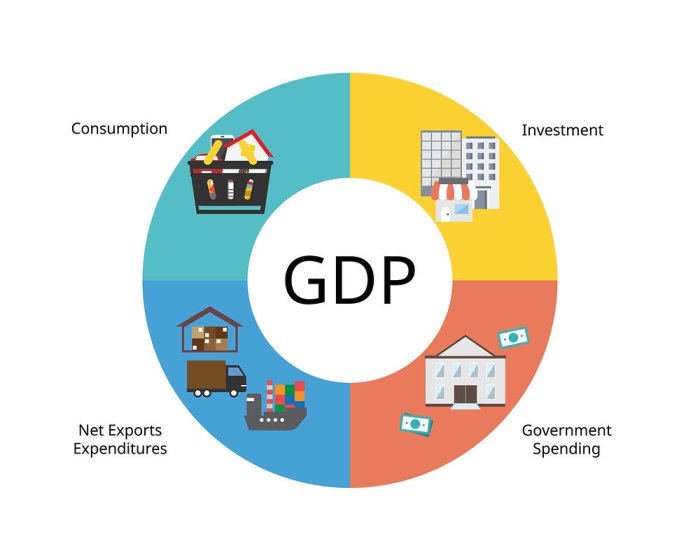
In today’s competitive market, selecting the right marketing channels and promotion strategies is critical for a successful product launch. Each channel offers unique benefits and challenges, making it essential to evaluate them carefully to optimize visibility and engagement. The right mix can significantly impact the reach and effectiveness of the product launch efforts.Marketing channels can be broadly categorized into traditional and digital methods.
Traditional marketing channels include print media, television, and radio, whereas digital channels encompass social media, email marketing, and content marketing. Understanding the nuances of each channel is vital for tailoring strategies that resonate with the target audience.
Comparison of Marketing Channels
An effective way to assess the various marketing channels available for promoting a product launch is by comparing their advantages and disadvantages. Below is a comparison table that highlights key aspects of each channel:
| Marketing Channel | Advantages | Disadvantages |
|---|---|---|
| Print Media | Wide reach, tangible format | High costs, limited interaction |
| Television | High visibility, potential for emotional engagement | Expensive, limited targeting |
| Radio | Cost-effective, reaches local audiences | Lower engagement, no visual component |
| Social Media | Targeted advertising, high engagement potential | Constantly changing algorithms, may require ongoing content creation |
| Email Marketing | Direct communication, measurable results | Requires a quality email list, potential for spam filters |
| Content Marketing | Builds brand authority, long-term engagement | Time-consuming, requires consistent quality |
In addition to choosing the right channels, innovative promotional strategies can significantly enhance visibility during a product launch. Implementing unique campaigns can create excitement and anticipation. For instance, interactive live streaming events can engage potential customers in real-time, allowing brands to showcase their products dynamically and answer questions directly. Another innovative approach is utilizing influencer marketing, where brands partner with individuals who have a substantial following in relevant markets.
This can amplify reach and credibility as the influencer’s endorsement often carries significant weight with their audience.
“An effective launch strategy combines the right channels with innovative promotional tactics to create a memorable experience.”
Incorporating gamification elements, such as contests or challenges related to the product, can also encourage user participation and spread awareness organically. Additionally, leveraging user-generated content allows customers to share their experiences, which can be a powerful form of social proof.By carefully selecting marketing channels and employing innovative promotional strategies, companies can create impactful product launches that resonate with their audience and lead to greater market success.
Setting Goals and Metrics for Success
In the realm of product launches, establishing clear and actionable goals is pivotal to achieving desired outcomes. These goals not only guide the direction of the product launch strategy but also provide a framework for evaluating success. The significance of these goals extends beyond mere targets; they act as a compass for the entire team, aligning efforts and ensuring that everyone is working towards a common vision.To effectively measure the effectiveness of a product launch strategy, identifying key performance indicators (KPIs) is essential.
These metrics go beyond basic sales figures and encompass various dimensions of the product’s reception and market penetration. By choosing the right KPIs, companies can gain insights into consumer behavior, product performance, and overall market impact.
In today’s digital landscape, effective Social Media Marketing is essential for businesses looking to enhance their online presence. By leveraging various platforms, companies can engage with their target audience and build lasting relationships. Complementing this strategy, businesses should also consider PPC Management , which allows for targeted advertising and measurable results, ensuring a comprehensive approach to digital marketing.
Actionable Goals for a Product Launch
Setting actionable goals allows teams to focus their efforts and resources effectively. These goals should be Specific, Measurable, Achievable, Relevant, and Time-bound (SMART) to ensure clarity and accountability. Examples of actionable goals include:
- Achieve a 20% market share within the first year of launch.
- Generate 10,000 leads through targeted digital marketing campaigns in the first quarter.
- Increase brand awareness by 30% as measured by social media engagement and website traffic.
- Achieve a customer satisfaction score of 85% or higher in post-launch surveys.
Each goal serves as a benchmark for success, driving the team’s efforts and enabling adjustments in strategy if needed.
Key Performance Indicators (KPIs)
The importance of KPIs lies in their ability to provide quantifiable measures of success. Selecting the right KPIs for a product launch can significantly influence strategic decisions. Common KPIs include:
- Sales Revenue: Total revenue generated in the launch period.
- Customer Acquisition Cost (CAC): The cost associated with acquiring a new customer.
- Conversion Rate: The percentage of leads that convert into paying customers.
- Market Penetration Rate: The percentage of target market that purchased the product within a specific timeframe.
These KPIs not only help in assessing the effectiveness of the launch strategy but also in determining areas for improvement.
Framework for Tracking Progress
Establishing a robust framework for tracking progress is essential for adapting strategies based on performance metrics. This framework should include regular review meetings, performance dashboards, and data analytics tools. The steps to set up this framework are:
- Define reporting intervals: Weekly, monthly, or quarterly reviews to assess performance against goals.
- Utilize analytics tools: Software solutions that aggregate data from various sources to provide insights into performance metrics.
- Adjust strategies as needed: Use collected data to tweak marketing efforts, product features, or customer engagement tactics.
- Document lessons learned: Maintain records of what strategies worked or didn’t, to inform future product launches.
Implementing this framework allows teams to remain agile, responding to market dynamics and ensuring that the product launch achieves its set objectives.
“Success is not just about what you accomplish in your life; it’s about what you inspire others to do.”
Budgeting for a Product Launch
Effective budgeting is a cornerstone of a successful product launch. A well-prepared budget plan ensures that all financial aspects of the launch are taken into consideration, allowing for efficient allocation of resources and minimizing the risk of overspending. Understanding the components and their implications for marketing, production, and distribution is vital for maximizing return on investment and ensuring the launch meets its strategic goals.A comprehensive budget plan for a product launch encompasses several key components.
These include costs related to marketing, production, distribution, and contingency funds. Each component plays a critical role in the overall success of the product launch, enabling teams to stay aligned with their strategic objectives while managing resources effectively.
Components of a Budget Plan
A robust budget plan should detail the various elements that need to be accounted for. Here are the primary components that should be included:
- Marketing Costs: These include advertising expenses, promotional materials, public relations activities, and digital marketing campaigns.
- Production Costs: This category covers expenses related to manufacturing the product, including raw materials, labor, and quality assurance.
- Distribution Costs: This encompasses shipping and logistics fees, warehousing, and any costs associated with getting the product to retailers or directly to consumers.
- Personnel Costs: Salaries and wages for team members involved in the launch, as well as any additional recruitment or consultancy fees.
- Contingency Funds: A reserve of funds (typically 10-15% of the total budget) allocated for unforeseen expenses or adjustments during the launch process.
The following template can help in estimating costs associated with each category:
| Cost Component | Description | Estimated Cost ($) |
|---|---|---|
| Marketing Costs | Advertising, promotions, PR activities | [Enter Amount] |
| Production Costs | Manufacturing, raw materials, labor | [Enter Amount] |
| Distribution Costs | Shipping, logistics, warehousing | [Enter Amount] |
| Personnel Costs | Salaries, recruitment, consultancy | [Enter Amount] |
| Contingency Funds | Reserve for unforeseen expenses | [Enter Amount] |
| Total Estimated Budget | [Total Amount] |
Strategies for Allocating Resources Effectively
To achieve a successful product launch, it is crucial to develop strategies for effective resource allocation. Ensuring that funds are directed towards the most impactful areas can significantly enhance the launch’s effectiveness and reach.Some key strategies include:
- Prioritize High-Impact Marketing Channels: Allocate a larger portion of the marketing budget to channels that have historically driven the most engagement, such as social media and influencer partnerships.
- Phased Spending Approach: Distribute expenses over the different stages of the launch, ensuring funds are available for pre-launch, launch day, and post-launch activities.
- Regular Budget Reviews: Conduct frequent evaluations of spending against the budget, allowing for real-time adjustments to stay aligned with overall objectives.
- Seek Cost-Effective Alternatives: Investigate lower-cost promotional tactics such as digital marketing and grassroots campaigns to maximize reach without excessive spending.
- Collaborate with Cross-Functional Teams: Engage various departments to ensure budget alignment with marketing, production, and distribution efforts, fostering a unified approach.
By meticulously planning the budget and strategically allocating resources, a product launch can achieve its objectives while maintaining financial prudence and operational efficiency.
Post-Launch Evaluation and Feedback: Product Launch Strategy
Gathering feedback after a product launch is crucial for assessing the effectiveness of the launch strategy and for driving continuous improvement. This phase allows businesses to understand their product’s performance in the market and gather insights that can inform future product developments and marketing strategies. By actively seeking feedback, organizations can identify strengths, weaknesses, and areas for enhancement to better meet customer needs and expectations.
The process of conducting a post-launch evaluation is comprehensive and involves collecting feedback from various stakeholders, including customers, team members, and industry experts. This feedback is vital for understanding market reception and gauging customer satisfaction levels. A structured approach can help ensure that the evaluation is thorough and effective.
Framework for Conducting a Post-Launch Evaluation
A systematic framework for evaluating a product post-launch includes several key steps. These steps ensure that feedback is gathered from multiple sources and is analyzed effectively. The following points Artikel the essential components of this framework:
- Data Collection: Utilize surveys, interviews, and focus groups to gather quantitative and qualitative data from customers and stakeholders.
- Stakeholder Feedback: Engage with internal teams such as sales, marketing, and customer service to gather insights on their experiences and observations regarding the product launch.
- Market Analysis: Analyze market trends and competitor positioning post-launch. Assess how the product is performing in comparison to similar offerings.
- Customer Responses: Monitor social media channels, online reviews, and customer feedback platforms to gauge public sentiment and reactions to the product.
- Performance Metrics: Review key performance indicators (KPIs) established prior to the launch to determine if goals were met. Examples include sales figures, market share, and customer acquisition rates.
- Reporting and Documentation: Compile findings into a comprehensive report that summarizes insights gained from the evaluation process, highlighting successes and areas for improvement.
A crucial aspect of post-launch evaluation is the analysis of customer responses and market reception. This analysis can be approached through various methodologies, which provide valuable insights into product performance and customer perception.
Methodologies for Analyzing Customer Responses, Product Launch Strategy
Understanding customer responses involves several analytical methodologies that help in interpreting feedback effectively. The following techniques can be employed to extract meaningful insights:
- Sentiment Analysis: Utilize natural language processing tools to analyze customer feedback from online platforms, identifying trends in positive, negative, or neutral sentiments.
- Net Promoter Score (NPS): Implement NPS surveys to gauge customer loyalty and satisfaction. This metric helps in understanding the likelihood of customers recommending the product to others.
- Comparative Analysis: Compare customer feedback against industry benchmarks or competitor products to evaluate the product’s competitive standing.
- Focus Group Discussions: Organize focus groups with selected customers to gather in-depth feedback on specific aspects of the product, including usability and features.
- Follow-Up Surveys: Conduct follow-up surveys after a set period post-launch to assess long-term satisfaction and any changes in customer perception.
By employing these methodologies, organizations can gain a well-rounded perspective on how their product is perceived in the marketplace, which is essential for ongoing improvement and future success.
Last Word
In conclusion, a well-crafted Product Launch Strategy is essential for any business aiming to introduce a new product successfully. By meticulously analyzing market conditions, identifying target audiences, employing effective marketing channels, and setting measurable goals, companies can optimize their launch efforts. Continuous evaluation and feedback post-launch further enhance the strategy, paving the way for future innovations and sustained growth.
Questions and Answers
Why is market research important in a product launch strategy?
Market research helps identify consumer needs, preferences, and competitive dynamics, informing strategic decisions that enhance launch success.
What are key performance indicators (KPIs) for a product launch?
KPIs may include sales volume, market share, customer engagement metrics, and return on investment (ROI) to measure the effectiveness of the launch.
How can businesses effectively gather feedback after a launch?
Businesses can use surveys, focus groups, and social media analysis to gather customer feedback and insights for continuous improvement.
What are some common pitfalls to avoid during a product launch?
Common pitfalls include inadequate market research, unclear messaging, underestimating costs, and failing to engage with the target audience.
How can businesses create buzz around a product launch?
Strategies to create buzz include pre-launch teasers, influencer partnerships, engaging social media campaigns, and hosting launch events.