Remarketing Strategies for Effective Digital Marketing
Remarketing Strategies open the door to a world where businesses can reconnect with potential customers who have previously engaged with their brand. This powerful digital marketing approach is designed to remind and re-engage users, transforming fleeting interest into lasting conversions. By employing various tactics such as display ads, email campaigns, and social media interactions, companies can effectively tailor their messaging and drive higher engagement rates.
Understanding the intricacies of remarketing is essential for any business looking to enhance its online presence. From grasping the fundamental differences between remarketing and retargeting to exploring innovative strategies, this comprehensive guide delves into the core components that shape successful remarketing initiatives. With the right tools and creative approaches, businesses can optimize their remarketing efforts to achieve impressive results.
Understanding Remarketing
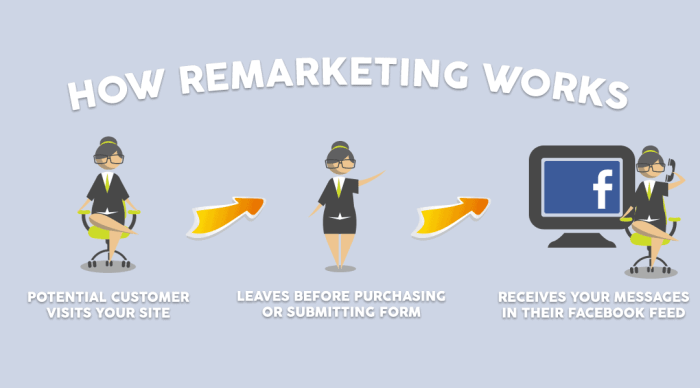
Remarketing is a strategic approach in digital marketing that focuses on re-engaging users who have previously interacted with a brand but did not convert. This technique is pivotal for enhancing conversion rates and retaining potential customers, as it allows businesses to remind visitors of their products or services after they leave a website. By leveraging data-driven insights, marketers can target these individuals with tailored advertisements, improving the chances of drawing them back to complete a purchase.
Remarketing has proven effective for numerous companies across various industries. For example, e-commerce giant Amazon utilizes remarketing to display products that users viewed but did not purchase, effectively nudging them back to the platform. Similarly, travel companies like Expedia employ remarketing strategies to remind users of their previous searches for flights or accommodations, encouraging them to finalize their travel plans.
These examples illustrate the power of remarketing in driving customer action and increasing sales.
Differences Between Remarketing and Retargeting
Understanding the nuances between remarketing and retargeting is essential for marketing professionals. Both strategies aim to re-engage potential customers, but they differ significantly in their methods and applications. Remarketing generally refers to reaching out to previous visitors through various channels, primarily email marketing, while retargeting focuses on serving targeted ads to users based on their past interactions with a website.
The following points highlight the key differences between remarketing and retargeting:
- Channel of Engagement: Remarketing can utilize direct communication methods like email, targeting users who have subscribed or interacted with the brand. In contrast, retargeting primarily uses display ads across the web or social media platforms to reach users who have visited a website.
- Strategy Focus: The main objective of remarketing is to re-establish a connection with users and encourage them to complete a desired action, such as making a purchase or signing up for a newsletter. Retargeting, however, emphasizes showing ads that are relevant to the user’s previous website interactions, aiming to recapture their attention visually.
- Data Utilization: Remarketing utilizes customer data to create personalized email campaigns, whereas retargeting employs cookies to track user behavior and display ads across different sites they visit.
Remarketing focuses on personalized communication, while retargeting emphasizes visual ad display based on user behavior.
Types of Remarketing Strategies

Remarketing strategies are essential tools for businesses aiming to reconnect with potential customers who have previously interacted with their brand. By leveraging targeted advertising and personalized messages, businesses can effectively guide these users back to their websites or services. Understanding the various types of remarketing strategies is crucial for developing an effective marketing campaign that addresses specific consumer needs and behaviors.Several types of remarketing strategies exist, each tailored to different platforms and audience engagement methods.
Notable examples include display ads, email campaigns, and social media remarketing. Each strategy has its unique advantages depending on the industry and the specific goals of the business, making it imperative to choose the right approach based on performance metrics.
Comparison of Remarketing Strategies Across Different Industries
To better understand the effectiveness of different remarketing strategies, the following table illustrates their performance metrics across various industries. The effectiveness is measured based on typical click-through rates (CTR), conversion rates, and return on investment (ROI).
| Remarketing Strategy | Industry | Average CTR (%) | Average Conversion Rate (%) | ROI |
|---|---|---|---|---|
| Display Ads | E-commerce | 0.5 – 1.0 | 2.0 – 3.5 | 300% |
| Email Campaigns | Retail | 1.0 – 2.5 | 5.0 – 7.0 | 400% |
| Social Media Remarketing | Travel | 0.4 – 1.2 | 1.5 – 4.0 | 250% |
| Search Remarketing | Technology | 1.5 – 3.0 | 3.5 – 6.0 | 350% |
The selection of the appropriate remarketing strategy should align with specific business goals, such as increasing brand awareness, driving sales, or enhancing customer retention. Each strategy has distinct strengths and can be evaluated based on several criteria:
- Target Audience: Understanding the demographics and interests of your audience can help tailor your strategy effectively.
- Type of Product or Service: Certain strategies may resonate better depending on whether the offering is high-involvement or low-involvement.
- Budget: Different strategies have varying costs associated with them, influencing the choice based on marketing budgets.
- Marketing Objectives: Clearly defined goals will dictate the strategy that best suits the desired outcomes.
Remarketing strategies can create a significant impact on a business’s online presence, enhancing customer engagement and driving conversions. Businesses should continuously analyze the performance of their chosen strategies to optimize their marketing efforts and achieve their objectives effectively.
Setting Up a Remarketing Campaign
To effectively engage past visitors and nurture them toward conversion, setting up a remarketing campaign is essential. This process involves multiple steps that ensure your marketing efforts are strategically aligned with your business goals and audience preferences.One of the first steps in creating a successful remarketing campaign is selecting the right tools and platforms to manage your efforts. Various advertising platforms, such as Google Ads and Facebook Ads, provide robust features for setting up and running remarketing campaigns.
Their user-friendly interfaces simplify the process of designing ads, defining target audiences, and tracking performance.
Step-by-Step Guide to Setting Up a Remarketing Campaign
This guide Artikels the essential steps for establishing a remarketing campaign, ensuring that you cover all aspects necessary for success:
1. Define Your Objectives
Clearly Artikel your goals, whether it’s increasing website traffic, boosting sales, or enhancing brand awareness. Having specific targets will direct your campaign strategy.
2. Choose Your Remarketing Platform
Select a platform such as Google Ads, Facebook, or LinkedIn. Each platform has unique features catering to different audiences, so choose one that aligns with your target demographic.
3. Install Tracking Codes
In today’s digital landscape, Influencer Marketing has emerged as a powerful tool for brands aiming to connect with specific demographics. By collaborating with influencers who resonate with their target audience, businesses can achieve higher engagement rates. Moreover, a solid Content Marketing Strategy complements this approach, ensuring that the messaging remains consistent and engaging across various platforms.
Implement the required tracking codes (such as the Google Ads remarketing tag) on your website. This enables the platform to collect data on visitor behavior and build an audience list.
4. Create Remarketing Lists
Define who you want to target based on their interaction with your site. For example, you might create lists for users who viewed specific products but did not complete a purchase.
5. Design Compelling Ads
Develop visually appealing ads that resonate with your audience. Ensure the messaging clearly communicates value and prompts action. High-quality images and concise text enhance ad effectiveness.
6. Set Frequency Caps
To avoid overwhelming your audience, set frequency caps that limit how often a specific ad is shown to an individual user.
7. Launch and Monitor Your Campaign
After thorough testing, launch your campaign. Regularly monitor its performance through analytics tools to assess engagement rates, conversions, and ROI.
8. Optimize Based on Data
Continuously analyze campaign data and make necessary adjustments to improve performance. Test various ad formats, audience segments, and bidding strategies.
Tools and Platforms for Managing Remarketing Campaigns
Utilizing the right tools is critical for managing and optimizing remarketing campaigns. Some of the most effective platforms include:
Google Ads
Offers extensive reach through Google’s vast advertising network and provides robust features for audience segmentation and ad customization.
Facebook Ads
Utilizes rich user data to target specific demographics, interests, and behaviors, making it ideal for precise audience targeting.
AdRoll
A comprehensive platform that simplifies retargeting across multiple channels with user-friendly tools for creating and managing campaigns.
Criteo
Known for dynamic ads that personalize product recommendations based on user behavior, Criteo excels in e-commerce remarketing.Utilizing these platforms allows marketers to create targeted campaigns that yield measurable results.
Audience Segmentation and Targeting Strategies
Effective audience segmentation is crucial for the success of any remarketing campaign. Properly defining your audience can significantly improve engagement and conversion rates. Here are some strategies to consider:
Behavioral Segmentation
Segment users based on their actions on your website, such as pages viewed, time spent, and products added to cart but not purchased.
Demographic Segmentation
Consider factors such as age, gender, and location to create more personalized ad experiences.
Engagement Level
Target users based on their level of engagement, differentiating between first-time visitors and returning customers.Implementing these strategies ensures that your ads are shown to the right people, at the right time, ultimately driving higher conversions and maximizing your marketing investment.
Creative Approaches to Remarketing
In the competitive landscape of digital marketing, creative approaches to remarketing are essential for capturing audience attention and driving conversions. A well-designed ad can significantly influence user behavior and rekindle interest in products or services that potential customers have previously explored. This section delves into the importance of ad design and effective copywriting in crafting successful remarketing campaigns.The design and messaging of remarketing ads play a crucial role in enticing users to return to a website.
Effective visual elements and persuasive language can rekindle user interest and encourage them to complete their intended actions. Attention-grabbing visuals paired with targeted messaging resonate more with the audience, making them feel valued and understood. Furthermore, the strategic use of color, typography, and imagery can evoke emotions, ultimately guiding users back to the desired conversion path.
Importance of Ad Design in Remarketing Efforts
The visual appeal of remarketing ads has a significant impact on user engagement. High-quality graphics, cohesive branding, and a clear call-to-action can enhance an ad’s effectiveness. Key elements to consider include:
Brand Consistency
Ensure that the ad’s design aligns with overall brand aesthetics to maintain recognition across different platforms.
Visual Hierarchy
Use layout techniques to guide the viewer’s eye to the most important information, such as offers or calls-to-action.
Responsive Design
Adapt ad designs for various devices, ensuring functionality and aesthetics across mobile, tablet, and desktop interfaces.
Best Practices for Writing Compelling Remarketing Ad Copy, Remarketing Strategies
Crafting persuasive ad copy is equally essential in remarketing efforts. Compelling copy should resonate with the target audience, prompting action. Best practices include:
Personalization
Tailor messages to specific audience segments or previous interactions to create a sense of relevance.
Urgency
Incorporate time-sensitive language to create a sense of urgency, encouraging users to act quickly.
Value Proposition
Clearly articulate the benefits or unique features of the product or service to persuade users to revisit.
Innovative Ideas for Remarketing Creatives
Incorporating innovative creative ideas can set your remarketing efforts apart from the competition. Here are several concepts to consider:
Personalized Messages
Utilize data to create customized messages based on user behavior, such as previous purchases or page views.
Dynamic Ads
Use dynamic content that automatically adjusts to display products or services a user has shown interest in.
User-Generated Content
Feature testimonials or reviews from satisfied customers to build trust and credibility.
Interactive Elements
Integrate elements like polls or quizzes within ads to engage users and encourage interaction.
Seasonal Promotions
Leverage seasonal themes or events in your campaigns to tap into the current mood of potential customers.
Retargeting with Incentives
Offer discounts, free trials, or exclusive deals to lure back users who abandoned their carts.Incorporating these creative strategies into remarketing campaigns can significantly enhance their effectiveness. By focusing on design, compelling copy, and innovative ideas, marketers can effectively re-engage their audience and drive conversions.
Measuring Remarketing Success
Measuring the success of a remarketing campaign is essential for understanding its effectiveness and maximizing return on investment (ROI). It involves analyzing various performance metrics that provide insights into audience engagement, conversions, and overall campaign effectiveness. By leveraging data-driven strategies, marketers can refine their approach and enhance the efficacy of their remarketing efforts.Key performance metrics play a crucial role in evaluating the effectiveness of a remarketing campaign.
These metrics help determine how well the campaign achieves its goals and identify areas for improvement. The following metrics are vital for assessing performance:
Key Performance Metrics for Remarketing
Understanding which metrics to focus on can significantly enhance your ability to gauge the success of your remarketing initiatives. The primary metrics to monitor include:
- Click-Through Rate (CTR): This metric measures the percentage of users who clicked on a remarketing ad compared to the total number of users who viewed it. A higher CTR indicates effective messaging and audience targeting.
- Conversion Rate: This represents the percentage of users who not only clicked on the ad but also completed a desired action, such as making a purchase or signing up for a newsletter. High conversion rates reflect successful remarketing strategies.
- Cost Per Acquisition (CPA): CPA is the cost associated with acquiring a new customer through remarketing efforts. A lower CPA signifies that the campaign is cost-effective.
- Return on Ad Spend (ROAS): This metric measures the revenue generated for every dollar spent on the campaign. A higher ROAS indicates that the campaign is profitable.
- Impression Share: This is the percentage of total possible impressions that your ads have received in comparison to the total number of impressions they could have received. High impression share shows strong visibility in the market.
In addition to measuring these key performance metrics, optimizing remarketing efforts based on performance data is crucial for continuous improvement. By analyzing the results and making data-driven adjustments, marketers can enhance their campaigns significantly.
Optimizing Remarketing Efforts
Data-driven optimization strategies allow marketers to refine their campaigns effectively. Some methods to consider include:
- A/B Testing: Conducting A/B tests on ad creatives, messaging, and audience segments can uncover which variations yield better performance. Testing allows for informed decision-making based on actual user behavior.
- Audience Segmentation: Dividing the audience into specific segments based on behavior, demographics, or interests enables more personalized ad delivery, improving engagement and conversion rates.
- Ad Frequency Management: Monitoring and adjusting ad frequency prevents audience fatigue, ensuring that users do not become annoyed by seeing the same ads repeatedly.
- Dynamic Remarketing: Utilizing dynamic remarketing to show tailored ads featuring products that users previously viewed can significantly increase relevance and conversion likelihood.
Utilizing the right tools for tracking and analyzing remarketing results is fundamental in measuring success effectively. Various platforms offer distinct features for marketers.
Tools for Tracking Remarketing Performance
Selecting appropriate tools can help streamline the tracking process and provide comprehensive insights into campaign performance. The following tools are highly regarded in the marketing community:
- Google Analytics: This powerful tool provides detailed reports on user behavior, allowing marketers to analyze the effectiveness of their remarketing efforts and optimize accordingly.
- Google Ads: Google Ads offers robust metrics specific to remarketing campaigns, such as audience insights and performance reports that facilitate data-driven decisions.
- Facebook Ads Manager: For campaigns on social media, Facebook’s Ads Manager provides detailed analytics on user engagement and conversion metrics related to remarketing efforts.
- HubSpot: HubSpot’s marketing platform includes features for tracking and analyzing remarketing campaigns, providing insights into customer journeys and engagement levels.
- Klaviyo: For email remarketing, Klaviyo offers comprehensive metrics to track user interactions and optimize email campaigns for better performance.
By focusing on these key metrics, optimizing marketing efforts based on performance data, and utilizing effective tools, marketers can accurately measure the success of their remarketing campaigns and drive better results.
Overcoming Common Challenges in Remarketing: Remarketing Strategies
Implementing remarketing strategies can present several challenges for businesses, often hindering the effectiveness of well-planned campaigns. Understanding these challenges and proactively addressing them is crucial for optimizing performance and achieving desired results.One of the most prevalent challenges in remarketing is ad fatigue. This occurs when users see the same ads repeatedly, leading to diminishing returns and negative perceptions of the brand.
Another challenge is accurately targeting the right audience segments. Businesses often struggle with defining and segmenting their audience effectively, resulting in wasted budget on irrelevant impressions. Additionally, navigating privacy regulations and ensuring compliance can pose significant hurdles, particularly with changes in data privacy laws affecting tracking capabilities.
Addressing Ad Fatigue
Ad fatigue can significantly impact a remarketing campaign’s effectiveness. To mitigate this issue, businesses can employ several strategies:
- Ad Rotation: Regularly rotating ad creatives can keep the content fresh and engaging for the audience. Using a variety of formats, such as videos, static images, and carousels, can also enhance user interest.
- Frequency Capping: Setting limits on the number of times a user sees the same ad helps to prevent oversaturation and encourages engagement without causing irritation.
- Dynamic Remarketing: Utilizing dynamic ads that showcase products the user has previously viewed can create more personalized experiences and increase conversion rates.
Effective Audience Segmentation
Targeting the right audience is essential for a successful remarketing strategy. To overcome challenges in audience segmentation, businesses can adopt the following practices:
- Behavioral Segmentation: Segmenting users based on their behavioral data, such as pages visited and time spent on the site, allows for more tailored messaging that resonates with different audience types.
- Custom Lists: Creating custom lists based on user actions, like cart abandonment or product views, can help in sending targeted ads that address specific user intents.
- A/B Testing: Regularly testing different audience segments and ad variations can provide insights into which combinations yield the best engagement and conversion rates.
Navigating Privacy Regulations
With increasing scrutiny on data privacy, businesses must ensure compliance while effectively executing remarketing campaigns. Strategies to navigate these regulations include:
- Transparency: Clearly communicating to users how their data will be used can build trust and encourage users to opt-in for tracking.
- First-Party Data Utilization: Focusing on collecting and utilizing first-party data can help in maintaining compliance while still enabling effective remarketing efforts.
- Staying Informed: Regularly updating compliance measures according to evolving laws and guidelines keeps businesses prepared for changes that may impact their advertising strategies.
Case Studies of Successful Remarketing Strategies
Various businesses have successfully navigated the common challenges in remarketing, demonstrating effective strategies that others can learn from. For instance:
- Travel Company: A travel company faced high ad fatigue. They implemented a dynamic remarketing strategy showcasing personalized travel packages based on previous site behavior, resulting in a 40% increase in conversion rates.
- E-commerce Retailer: An e-commerce retailer struggled with audience segmentation. By utilizing behavioral data, they created tailored ad campaigns for different consumer segments, which led to a 30% improvement in engagement rates.
- Local Restaurant: A local restaurant managed to navigate privacy regulations by adopting first-party data collection methods. They offered incentives for customers to join their loyalty program, ultimately increasing repeat visits by 25%.
Future Trends in Remarketing
The landscape of digital marketing is continuously evolving, and remarketing strategies are no exception. As technology advances and consumer preferences shift, the future of remarketing is set to undergo significant changes. Understanding these trends will allow marketers to adapt their strategies effectively, ensuring they remain competitive and relevant in a dynamic market.One of the most notable trends influencing the future of remarketing is the increasing reliance on artificial intelligence (AI) and machine learning.
These technologies enable marketers to analyze vast amounts of data, predicting consumer behavior with greater accuracy and personalizing marketing messages to be more compelling. AI-powered remarketing tools can automate the process of identifying and targeting customers based on their previous interactions, leading to higher conversion rates and improved return on investment (ROI).
Emerging Technologies Shaping Remarketing
Several technological advancements are shaping the future of remarketing. These include:
- Programmatic Advertising: The automation of ad buying through algorithms allows for real-time bidding and targeted ad placements, enhancing the efficiency of remarketing campaigns.
- Advanced Tracking Techniques: Technologies such as cookies, pixels, and mobile ID tracking enable marketers to follow users across devices and platforms, ensuring a cohesive remarketing strategy.
- Augmented Reality (AR) and Virtual Reality (VR): AR and VR can provide immersive experiences, allowing brands to engage consumers in innovative ways, enhancing the effectiveness of remarketing efforts through interactive content.
- Voice Search Optimization: As voice-activated devices become more prevalent, optimizing remarketing strategies for voice search will be essential to capture users who prefer verbal queries over traditional text searches.
The integration of these technologies into remarketing strategies will enhance targeting capabilities and improve customer engagement, making campaigns more effective and efficient.
A well-defined Content Marketing Strategy is essential for businesses looking to engage their audience effectively. By focusing on valuable and relevant content, companies can drive traffic and build brand loyalty. Additionally, integrating elements such as Influencer Marketing can further enhance outreach, leveraging the credibility of influencers to reach a wider audience.
Predictions on Consumer Behavior and Impact on Remarketing
Understanding shifts in consumer behavior is crucial for adapting remarketing strategies. Current trends indicate a growing preference for personalized experiences, where consumers expect brands to understand their individual needs and preferences. This shift is likely to lead to the following predictions:
- Increased Demand for Personalization: Consumers will expect tailored messaging and offers based on their past interactions, making personalized remarketing essential for driving conversions.
- Greater Emphasis on Privacy: With rising awareness of data privacy, consumers may become more cautious about sharing personal information, prompting brands to adopt transparent practices in data collection and usage.
- Shift Towards Sustainable Practices: Eco-conscious consumers are likely to favor brands that demonstrate a commitment to sustainability, influencing remarketing messages to align with these values.
- Mobile-First Approach: As mobile browsing continues to dominate, remarketing strategies will need to prioritize mobile platforms to effectively reach and engage users on their devices of choice.
These predictions underscore the necessity for marketers to remain agile and responsive to consumer behavior changes, ensuring that remarketing efforts resonate with the evolving expectations of their target audience.
Last Point
In conclusion, Remarketing Strategies offer a valuable framework for businesses seeking to boost their marketing effectiveness and customer engagement. By understanding the various types of remarketing, setting up well-structured campaigns, and creatively engaging their audience, companies can navigate the challenges of digital marketing with confidence. As trends evolve, staying ahead in remarketing can significantly influence future success, making it an essential aspect of any comprehensive marketing strategy.
Popular Questions
What is the difference between remarketing and retargeting?
Remarketing typically involves reaching out to users through ads across different platforms, while retargeting often refers specifically to tracking users who visited a website and showing them ads on that same domain.
How can I measure the success of my remarketing campaign?
Success can be measured using key performance metrics such as click-through rates, conversion rates, and return on ad spend, along with tracking tools that analyze user engagement.
What tools are available for managing remarketing campaigns?
Popular tools include Google Ads, Facebook Ads Manager, and various analytics platforms that assist in tracking performance and audience behavior.
How often should I refresh my remarketing ads?
It is advisable to refresh ads every few weeks or whenever analytics show a decline in engagement to maintain audience interest and effectiveness.
Can remarketing work for service-based businesses?
Yes, service-based businesses can benefit significantly from remarketing by targeting users who have shown interest in their services, encouraging them to return and convert.