Video Marketing Services Transforming Business Engagement
Video Marketing Services sets the stage for this enthralling narrative, offering businesses a powerful avenue to captivate their audience in today’s fast-paced digital landscape. As video content continues to dominate online interactions, companies are increasingly recognizing the importance of incorporating effective video marketing strategies. With diverse offerings ranging from promotional videos to engaging explainer content, these services are designed to enhance brand visibility and drive conversions, making them indispensable for any modern marketing strategy.
Moreover, statistics reveal that video marketing significantly boosts engagement rates, with consumers being more likely to share and respond to video content compared to static images or text. This overview will delve into the various types of video marketing services available, illustrate how to develop a robust video strategy, and explore the tools and trends shaping the future of this dynamic field.
Introduction to Video Marketing Services

In today’s digital landscape, video marketing has emerged as a powerful tool for businesses to engage their audience and drive conversions effectively. The increasing consumption of video content across various platforms underscores the necessity for companies to incorporate video marketing into their strategies. This method not only enhances brand visibility but also fosters deeper connections with customers.Video marketing services encompass a wide array of offerings tailored to meet the specific needs of businesses.
These services include promotional videos, product demonstrations, explainer videos, testimonials, social media videos, and live streaming events. By leveraging these diverse formats, companies can communicate their messages more compellingly and increase their chances of reaching a broader audience.
Effectiveness of Video Marketing
The impact of video marketing on engagement and conversions is backed by compelling statistics and studies. Businesses that utilize video marketing are likely to experience a significant increase in their online performance metrics. For instance, according to a study by HubSpot, 54% of consumers prefer to see video content from brands they support, demonstrating the high demand for this medium.
Moreover, research by Wyzowl indicates that 84% of consumers have been convinced to buy a product or service after watching a brand’s video. This demonstrates not only the persuasive power of video but also its potential to influence purchasing decisions. The following points highlight the key benefits and statistics that define the effectiveness of video marketing:
- Increased Engagement: Videos are known to enhance user engagement, with social media posts featuring videos receiving 48% more views than those without.
- Higher Conversion Rates: Including a video on a landing page can increase conversions by up to 80%, according to Unbounce.
- Benefits: Websites that incorporate video content are 53 times more likely to rank on the first page of Google search results.
- Enhanced Retention: Viewers retain 95% of a message when they watch it in a video compared to just 10% when reading it in text, as reported by Insivia.
“Video content is projected to make up 82% of all consumer internet traffic by 2022.” – Cisco
These insights illustrate that the integration of video marketing services is not merely optional; rather, it is essential for businesses seeking to thrive in a competitive digital environment. By embracing video marketing, companies can not only amplify their brand’s reach but also cultivate a loyal customer base that responds positively to visual storytelling.
Types of Video Marketing Services
Video marketing encompasses various forms of visual content that cater to different audiences and objectives. Each type of video service offers unique features and benefits that can enhance brand visibility, engagement, and ultimately lead to conversions. Understanding these distinctions is critical for businesses looking to leverage video marketing effectively.In this section, we will explore three primary categories of video marketing services: promotional videos, explainer videos, and social media videos.
Each category serves distinct purposes and appeals to varying market segments. Below is a comparative analysis of these video types to illustrate their features and benefits.
Comparative Analysis of Video Types
The following table Artikels the essential features and benefits of promotional videos, explainer videos, and social media videos, allowing businesses to identify which type aligns best with their marketing goals.
| Video Type | Features | Benefits |
|---|---|---|
| Promotional Videos | High-quality visuals, strong call-to-action, brand-centric messaging | Increases brand awareness, drives sales, showcases products or services |
| Explainer Videos | Concise storytelling, engaging animations, educational content | Simplifies complex concepts, enhances customer understanding, encourages conversions |
| Social Media Videos | Short, engaging clips, optimized for various platforms, shareable content | Boosts social engagement, expands reach, fosters community interactions |
The table above highlights how different video types address specific marketing needs while also showcasing their unique advantages.
Unique Advantages of Live Video Versus Pre-Recorded Video Content
Live video content and pre-recorded videos each bring distinct advantages that can significantly impact a marketing strategy. Live video allows for real-time interaction with viewers, fostering a sense of community and urgency. It creates opportunities for immediate feedback and engagement, as audiences can ask questions and participate during the broadcast, leading to higher engagement rates. On the other hand, pre-recorded content offers the advantage of polished production quality, allowing marketers to craft a more curated message without the unpredictability of live broadcasting.
This type of content can be edited to perfection, ensuring clarity and alignment with brand messaging.
“Live video creates authentic connections, while pre-recorded content provides a controlled environment for message delivery.”
Both formats can be leveraged simultaneously to maximize outreach; for instance, using pre-recorded videos to promote an upcoming live session can help increase attendance and engagement.
Developing a Video Marketing Strategy

Creating an effective video marketing strategy is essential for any business aiming to engage its audience and achieve measurable results. A well-structured approach not only Artikels how to create compelling video content but also ensures that the video aligns with the overarching marketing goals of the organization. By following a systematic process, businesses can enhance their brand visibility and drive conversions through impactful video campaigns.A video marketing strategy should encompass several key elements, including understanding the target audience, defining clear messaging, and establishing measurable goals.
It is crucial to consider these aspects in order to maximize the reach and effectiveness of the video content. Below is a step-by-step guide to developing a successful video marketing strategy.
Step-by-Step Guide to Developing a Video Marketing Strategy
The following steps Artikel a structured approach to creating a video marketing strategy:
- Define the Target Audience: Understanding who your viewers are is critical. Analyze demographics, interests, and viewing habits to tailor your content effectively.
- Set Clear Objectives: Establish what you want to achieve with your video campaigns. Objectives could include increasing brand awareness, generating leads, or boosting sales.
- Develop Compelling Messaging: Craft messages that resonate with your target audience. Consider the value proposition and how it aligns with the audience’s needs.
- Select Video Types: Choose the type of video that best suits your goals and audience preferences, such as explainer videos, testimonials, or product demonstrations.
- Determine Distribution Channels: Identify where you will share your videos, whether on social media, your website, or via email marketing.
- Budget Planning: Allocate resources effectively for video production, promotion, and analysis to ensure a return on investment.
- Measurement and Analysis: Establish key performance indicators (KPIs) to evaluate the success of your video campaigns. Regularly assess performance and adjust strategies as necessary.
Key Elements in Planning Video Content
When planning video content, several crucial elements must be considered to enhance its effectiveness and relevance. These elements guide the creation process and ensure alignment with the target audience and marketing goals.
“Understanding your audience and aligning your messaging is the foundation of a successful video marketing strategy.”
- Audience Insights: Gather data to create customer personas, which help in tailoring the content to meet specific preferences and needs.
- Content Relevance: Ensure that the video content addresses the pain points and interests of the audience, creating a connection that fosters engagement.
- Brand Consistency: Maintain a consistent tone, style, and branding elements in your videos to reinforce brand identity across all platforms.
- Call-to-Action: Include clear and compelling calls-to-action in your videos to guide viewers on the next steps, whether that’s visiting a website, subscribing, or making a purchase.
Importance of Setting Measurable Goals
Setting measurable goals is a vital aspect of any video marketing strategy, as it allows businesses to track performance and assess overall effectiveness. Goals should be specific, measurable, achievable, relevant, and time-bound (SMART).
“Measurable goals transform intentions into actionable insights, driving continuous improvement in video marketing efforts.”
By establishing clear metrics, businesses can determine the success of their campaigns and make data-driven decisions. Examples of measurable goals include:
- Achieving a specific number of views or engagement rates within a defined timeframe.
- Generating a target number of leads or conversions from video content.
- Increasing brand awareness through reach metrics, such as impressions and shares on social media platforms.
Tools and Technologies for Video Marketing
Video marketing has become an integral component of successful digital marketing strategies. The effectiveness of video content largely relies on the tools and technologies used in its creation, editing, and distribution. Utilizing the right software can enhance the overall quality of the videos and significantly improve viewer engagement.
Essential Tools and Software for Producing and Editing Video Content
A variety of tools are available that cater to different aspects of video production and editing. Below is a list of essential software that marketers can leverage to create high-quality videos.
- Adobe Premiere Pro: A professional video editing software offering advanced features such as multi-camera editing and color correction.
- Final Cut Pro: An Apple-exclusive editing tool known for its user-friendly interface and powerful features suitable for Mac users.
- iMovie: A basic video editing software ideal for beginners, providing essential editing functionalities and seamless integration with Apple devices.
- Camtasia: A screen recording and video editing tool perfect for creating tutorial and training videos, featuring a straightforward interface.
- Filmora: An affordable editing tool that combines powerful features with an easy-to-use interface, suitable for both novices and experienced users.
- Canva: While primarily a graphic design tool, Canva also offers video creation capabilities, making it easy to produce visually appealing content quickly.
Comparison of Popular Video Marketing Platforms
When selecting a video marketing platform, it is important to consider various factors such as pricing, features, and user reviews. The following table compares several popular video marketing platforms to assist in making an informed decision.
| Platform | Pricing | Features | User Reviews |
|---|---|---|---|
| Vimeo | Starts at $7/month | High-quality streaming, customizable player, analytics | 4.5/5 – praised for video quality and ease of use |
| YouTube | Free with ads, Premium $11.99/month | Broad audience reach, monetization, robust analytics | 4.7/5 – appreciated for extensive features |
| Wistia | Starts at $99/month | Lead generation tools, detailed analytics | 4.2/5 – valued for marketing capabilities |
| Vidyard | Free version, Premium starts at $15/month | Video hosting, analytics, integration with marketing tools | 4.4/5 – favored for its integration features |
| Brightcove | Custom pricing | Enterprise-level features, extensive analytics | 4.3/5 – recognized for robust infrastructure |
Optimizing Video Delivery and Accessibility Across Different Channels
Ensuring that video content is accessible and optimally delivered across various channels is essential for maximizing reach and engagement. Here are some important tips for achieving this:
- Use multiple formats: Convert videos into different formats (MP4, AVI, MOV) to ensure compatibility across devices.
- Optimize for mobile: With a significant percentage of viewers accessing videos via mobile, ensure videos are mobile-friendly and responsive.
- Implement captioning: Adding captions enhances accessibility for viewers with hearing impairments and improves engagement for all audiences.
- optimization: Utilize s in video titles, descriptions, and tags to enhance searchability on platforms like YouTube.
- Leverage social media: Distributing videos on social platforms requires adherence to specific guidelines; tailor content for each platform to increase reach.
- Monitor analytics: Regularly review performance metrics to understand viewer behavior and make adjustments to improve future video strategies.
Measuring Video Marketing Success
To ensure the effectiveness of video marketing campaigns, it is vital to implement a structured approach to measurement and analysis. This process allows marketers to evaluate the performance of their videos, understand audience behavior, and optimize future strategies based on actionable insights. By utilizing various metrics, businesses can gauge the impact of their video content and make informed decisions moving forward.Tracking the performance of video marketing campaigns requires a combination of tools and clear metrics.
Key performance indicators (KPIs) provide a framework for evaluating success. Important metrics to consider include view count, engagement rate, and conversion rate, each shedding light on different aspects of audience interaction and campaign effectiveness.
Key Metrics for Video Performance
Establishing a reliable reporting structure for key metrics is essential in understanding video performance. The following metrics are critical for analyzing video effectiveness:
- View Count: This metric indicates how many times a video has been viewed, reflecting its reach and visibility.
- Engagement Rate: This encompasses likes, shares, comments, and overall interaction with the video, providing insight into how well the content resonates with viewers.
- Conversion Rate: This measures the percentage of viewers who take a desired action, such as signing up for a newsletter or making a purchase after watching the video, indicating the effectiveness of the call to action.
Understanding these metrics allows for a comprehensive assessment of campaign performance, leading to data-driven decisions.
Importance of A/B Testing
A/B testing plays a pivotal role in refining video marketing strategies by allowing marketers to compare different versions of their videos. This method involves creating two or more variations of a video and distributing them to separate audience segments to observe which version performs better.The benefits of A/B testing in video marketing include:
- Improved Engagement: By testing different thumbnails, titles, or video lengths, marketers can identify what captures audience attention more effectively.
- Enhanced Targeting: A/B testing enables the segmentation of audiences based on characteristics, optimizing content for specific groups.
- Informed Decision-Making: The insights gained from A/B testing facilitate data-driven strategies, allowing marketers to focus on what works and eliminate ineffective approaches.
Implementing A/B testing ensures continuous improvement in video marketing strategies, ultimately leading to higher engagement and conversion rates.
“A/B testing helps uncover the nuances of audience preferences, leading to more effective video marketing campaigns.”
Trends in Video Marketing
As the digital landscape continues to evolve, video marketing remains at the forefront of communication strategies. The rise of interactive and personalized content has reshaped how brands engage their audiences. Additionally, emerging technologies such as artificial intelligence (AI) and virtual reality (VR) are taking video marketing to unprecedented heights, offering innovative ways to connect with consumers.The current trends in video marketing emphasize the importance of user engagement and tailored experiences.
Interactive videos allow viewers to make choices that impact the storyline, creating a more immersive experience. Personalized content, driven by data analytics, helps brands deliver messages that resonate on an individual level, fostering stronger connections with their audience.
Current Trends in Video Marketing
The landscape of video marketing is dynamic and continuously adapting. Here are some of the most notable trends reshaping the industry:
- Interactive Videos: These videos enable viewers to engage directly with content, making decisions that influence the narrative or outcome. This level of engagement has been shown to significantly increase viewer retention and satisfaction.
- Personalized Video Content: Utilizing data insights, brands are crafting videos tailored to specific audience segments. This personalization enhances viewer connection and improves conversion rates, as messages are more relevant to individual viewers.
- Live Streaming: The popularity of real-time video broadcasting has surged, allowing brands to connect with their audience instantly. Events, product launches, and Q&A sessions conducted live create a sense of immediacy and community.
- Short-form Videos: Platforms like TikTok and Instagram Reels have popularized concise video content. These short clips cater to the decreasing attention spans of viewers, making them more likely to engage with content.
- 360-Degree and VR Videos: Immersive technologies provide unique storytelling opportunities, allowing viewers to experience environments as if they were present. Brands in travel, real estate, and entertainment are leveraging these tools to captivate audiences.
Impact of Emerging Technologies
Emerging technologies such as AI and VR are profoundly impacting video marketing services. AI is revolutionizing how brands create and distribute content. Advanced algorithms analyze viewer behavior, helping marketers optimize video strategies. AI-generated insights enable the personalization of content at scale, making campaigns more effective.Virtual reality offers an immersive experience that traditional video cannot replicate. Brands are harnessing VR to create engaging narratives that transport viewers to different environments, enhancing emotional connections.
For example, a tourism company can use VR to allow potential travelers to experience a destination before they book a trip, significantly influencing purchase decisions.
Resources for Staying Updated on Video Marketing Trends
To navigate the ever-evolving video marketing landscape, it is essential to stay informed about the latest trends and best practices. Here is a list of valuable resources:
- Industry Blogs: Websites like HubSpot, Wistia, and Social Media Examiner regularly publish articles on the latest video marketing trends and strategies.
- Webinars and Online Courses: Platforms such as Coursera and LinkedIn Learning offer courses focused on video marketing and the latest technologies.
- Podcasts: Programs like “The Video Marketing Podcast” and “Online Marketing Made Easy” provide insights from industry experts on current trends and future predictions.
- Social Media Groups: Joining groups on platforms like Facebook and LinkedIn can facilitate discussions and knowledge sharing among video marketing professionals.
- Newsletters: Subscribing to newsletters from reputable marketing organizations or influencers can ensure you receive the latest insights and updates directly to your inbox.
Case Studies of Successful Video Marketing Campaigns
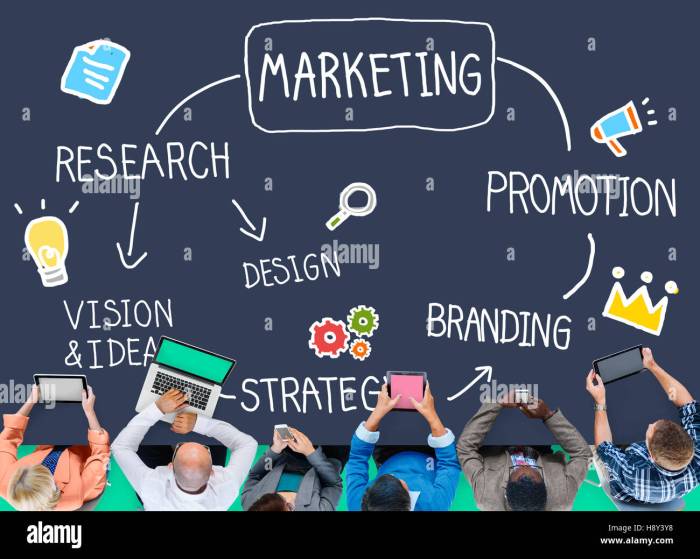
Video marketing has transformed the way brands communicate with their audiences. Through engaging storytelling and compelling visuals, organizations across various industries have leveraged video to achieve remarkable results. This section highlights several noteworthy case studies that demonstrate the power of video marketing, showcasing their strategies and the outcomes that followed.
Case Study: Dollar Shave Club
Dollar Shave Club launched its video marketing campaign in 2012 with a humorous video featuring its founder, Michael Dubin. The video highlighted the simplicity and affordability of their subscription service. Within 24 hours, the video garnered over 12,000 views, which led to a surge in subscriptions.Key strategies employed:
- Direct engagement with the audience using humor and relatability.
- Clear articulation of the value proposition.
- Strong call to action encouraging viewers to subscribe.
Key takeaways:
- Humorous content can effectively captivate and resonate with the target audience.
- Personal storytelling enhances brand connection and loyalty.
- Clear value messaging is crucial in driving conversions.
Case Study: Old Spice
Old Spice revitalized its brand image through the “The Man Your Man Could Smell Like” campaign. The series of ads featured a charismatic spokesperson delivering witty monologues directly to the camera. This approach not only entertained but also generated significant buzz on social media platforms.Key strategies employed:
- Unique and memorable character creation that became iconic.
- Interactive social media engagement, responding to viewer comments and questions through tailored video responses.
Key takeaways:
- Creating a memorable character can significantly enhance brand recall.
- Engagement through interactive content fosters community and loyalty.
- Leverage social media to amplify reach and engagement with unique content.
Case Study: GoPro
GoPro’s video marketing strategy revolves around user-generated content showcasing extreme sports and adventures filmed using their cameras. By encouraging customers to share their own videos, GoPro effectively built a community of brand advocates and showcased the product’s capabilities.Key strategies employed:
- Empowering users to create and share content, enhancing brand authenticity.
- Focusing on lifestyle-oriented videos that resonate with adventure seekers.
Key takeaways:
- User-generated content serves as credible testimonials of product quality and engagement.
- Aligning video content with target audience interests strengthens brand loyalty.
- Fostering a community around the product can enhance customer retention.
Case Study: Nike’s “Dream Crazy”
Nike’s “Dream Crazy” campaign featured powerful storytelling centered around athlete Colin Kaepernick. The video focused on themes of perseverance and social justice, aligning with the brand’s mission and values. The campaign sparked widespread conversations and significantly enhanced brand visibility.Key strategies employed:
- Utilizing strong narratives that resonate on an emotional level.
- Aligning the brand’s values with social issues to deepen connection with consumers.
Key takeaways:
- Emotional storytelling can drive powerful brand engagement.
- Aligning marketing messages with social values enhances relevance and impact.
- Bold messaging can lead to both positive and negative consumer reactions, shaping brand perception.
Common Challenges in Video Marketing
Video marketing presents unique opportunities for businesses to engage their audience and convey their brand message effectively. However, numerous challenges can arise during the implementation of video marketing strategies. Understanding these challenges is crucial to achieving a successful video marketing campaign.Businesses frequently encounter obstacles such as budget constraints, choosing the right type of content, and measuring video performance. Recognizing these issues allows companies to develop strategies that address them effectively and optimize their video marketing efforts.
Below are detailed explanations of these common challenges and the best practices to tackle them.
Common Challenges and Solutions
The following table summarizes significant challenges faced in video marketing along with corresponding solutions to overcome them:
| Challenge | Solution |
|---|---|
| Budget Constraints | Develop a clear budget plan that prioritizes essential elements, and consider cost-effective video creation options such as user-generated content or animation. |
| Content Quality | Focus on storytelling and ensure high production values by investing in good equipment or professional help to create engaging content. |
| Distribution Strategy | Identify your target audience and use appropriate platforms for distribution. Leverage social media, email marketing, and strategies for better reach. |
| Measuring Success | Establish key performance indicators (KPIs) and utilize analytics tools to track video performance, such as engagement rates and conversion metrics. |
| Content Overload | Create a content calendar to plan and prioritize video topics, ensuring a consistent and manageable production flow. |
| Adapting to Trends | Stay informed about the latest trends in video marketing and adapt your strategies to align with audience preferences and platform changes. |
“Understanding the challenges in video marketing is the first step towards building effective strategies that drive results.”
These solutions can help businesses navigate the complexities of video marketing, ensuring they maximize the potential of their campaigns while minimizing common pitfalls.
Future of Video Marketing Services
The landscape of video marketing services is continually evolving, shaped by technological advancements and changing consumer behaviors. As we look ahead, it is essential for businesses to understand these shifts to leverage video effectively in their marketing strategies. The future of video marketing promises innovation and new opportunities, making it crucial for companies to stay informed and adaptable.Predictions suggest that video marketing will become even more integral to digital marketing strategies.
With the increasing consumption of video content on social media platforms and the rise of new technologies, businesses must adapt their strategies to remain competitive. Experts indicate that by 2025, video content is expected to account for over 82% of all consumer internet traffic, emphasizing the urgent need for companies to embrace video marketing.
Emerging Trends in Video Marketing
As video marketing continues to grow, several trends are emerging that businesses should consider incorporating into their strategies. These trends reflect changes in consumer preferences and technological advancements. Notably, the following trends are shaping the future of video marketing:
- Short-Form Video Content: Platforms like TikTok and Instagram Reels have popularized short, engaging video content. This format caters to the decreasing attention spans of users, making it essential for brands to create concise and impactful videos.
- Live Streaming: Live video allows brands to engage with their audiences in real-time, fostering a sense of community and immediacy. Businesses can use live streaming for product launches, Q&A sessions, and behind-the-scenes glimpses.
- Personalized Video Experiences: As technology advances, brands are utilizing data to create personalized video content tailored to individual preferences. This approach enhances engagement and builds a deeper connection with the audience.
- Interactive Video: Interactive elements, such as clickable links and embedded quizzes, are expected to gain traction. This format encourages viewer participation and can significantly enhance user engagement.
- Virtual and Augmented Reality (VR/AR): The integration of VR and AR into video marketing is on the rise, providing immersive experiences that can captivate audiences. Brands can use these technologies for virtual product demonstrations and immersive storytelling.
Preparing for the Evolving Landscape, Video Marketing Services
To thrive in the changing video marketing landscape, businesses must adopt a proactive approach. This involves staying updated on trends, investing in the right tools, and continuously refining their strategies. Key aspects for businesses to consider include:
- Investing in Technology: Businesses should explore tools that support high-quality video production and editing, as well as analytics platforms for measuring effectiveness.
- Training and Development: Equipping teams with the necessary skills in video production and marketing can significantly enhance the quality and impact of video content.
- Audience Insights: Understanding the target audience’s preferences and behaviors is crucial for creating relevant video content. Utilizing data analytics can help refine video marketing strategies.
- Experimentation and Adaptation: Continuous experimentation with new formats and styles will be key. Businesses should remain flexible and willing to adapt based on audience feedback and performance analytics.
“Video marketing is not just a trend; it is a vital component of effective digital marketing strategies in the future.”
Final Thoughts
In conclusion, Video Marketing Services are not merely a trend; they are a fundamental component of an effective digital marketing strategy. By understanding the various types of video services, developing a coherent strategy, and leveraging the right tools, businesses can significantly enhance their outreach and engagement. As technology continues to evolve, staying informed about emerging trends and adapting strategies accordingly will be crucial for success in the realm of video marketing.
FAQ Section
What are Video Marketing Services?
Video Marketing Services encompass a range of video production and marketing techniques aimed at promoting a brand’s message through engaging visual content.
How can Video Marketing Services benefit my business?
These services can enhance brand awareness, increase customer engagement, and improve conversion rates by leveraging the compelling nature of video content.
What types of videos are most effective for marketing?
Promotional videos, explainer videos, and social media videos are among the most effective types, each tailored to meet specific marketing objectives.
How do I measure the success of my video marketing campaigns?
Success can be measured through key metrics such as view counts, engagement rates, and conversion rates, often supported by analytical tools.
What tools are recommended for creating video content?
Popular tools include video editing software like Adobe Premiere Pro and platforms like Animoto and Canva for creating and editing engaging video content.